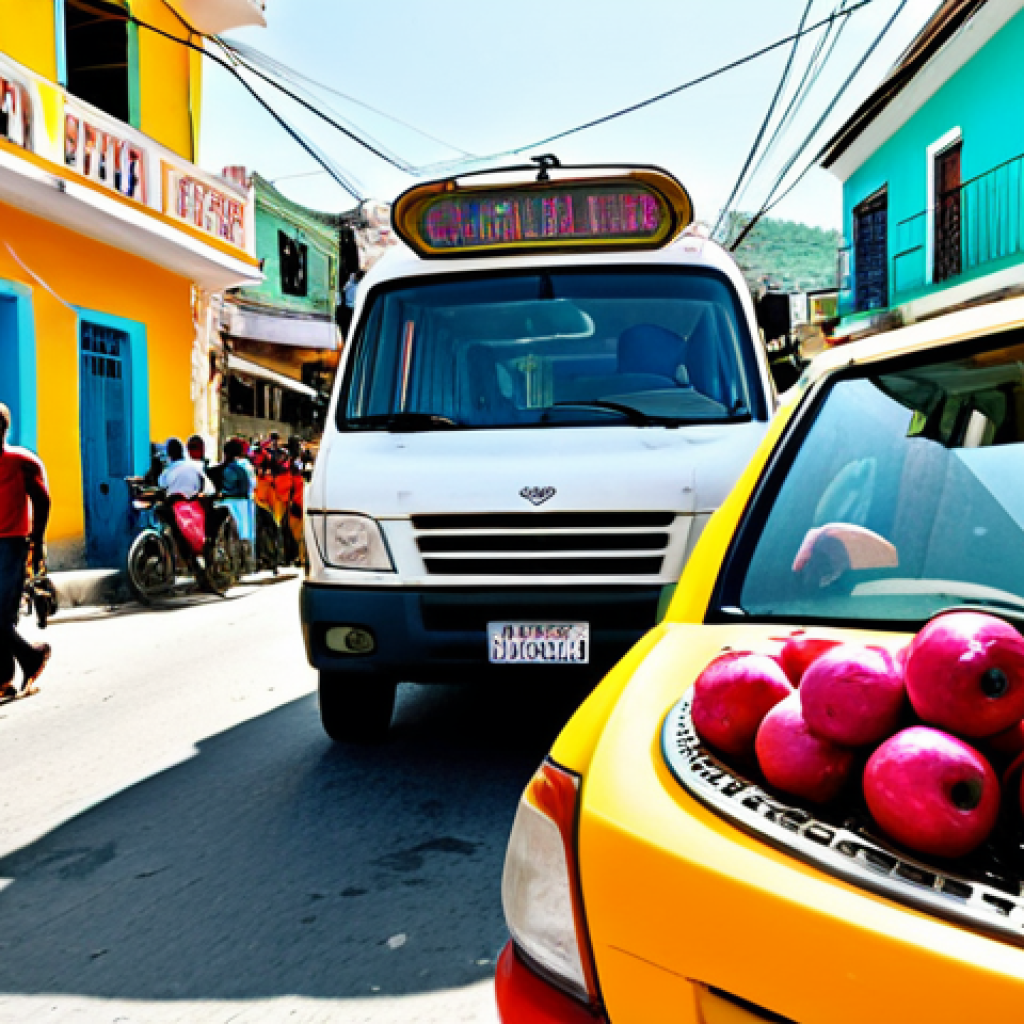
Stepping off the plane in Port-au-Prince for the first time, the vibrant energy hits you instantly. It’s a symphony of sounds, colors, and motion, and right at the heart of it all is Haiti’s truly unique transportation system.
Forget what you think you know about public transit; here, it’s not just about getting from point A to point B, it’s an immersive cultural experience, a daily masterclass in resilience and ingenuity that I’ve been fascinated by ever since my very first visit.
From the famously flamboyant *tap-taps* that are practically moving art installations, to the ever-present moto-taxis weaving through bustling markets, every journey tells a story.
What genuinely struck me during my deep dives into Haitian life was the sheer adaptability of its people. The public transport system here, born largely out of necessity and community spirit rather than formal planning, reflects that spirit perfectly.
We’re talking about a landscape where global fuel price hikes or even local political shifts can instantly redefine how people commute, yet somehow, the system keeps moving.
In an age where major cities are grappling with smart city initiatives and integrated public networks, Haiti’s approach offers a raw, unfiltered look at urban mobility that’s both chaotic and incredibly efficient in its own right.
It’s a delicate balance, one that faces constant challenges like infrastructure development and the push for more sustainable solutions, yet it continues to serve millions daily.
I’ve seen firsthand how these challenges are met with an inspiring blend of entrepreneurship and communal support. It’s truly a system that thrives on its own unique rhythm, and understanding it is key to grasping the very pulse of the nation.
Curious to navigate the fascinating ins and outs of Haiti’s roads with me? Let’s peel back the layers and truly explore what makes its transportation system so captivating.
The Vibrant Heartbeat: Unraveling the Tap-Tap Phenomenon
Stepping onto the streets of Port-au-Prince, you can’t help but be immediately captivated by the sheer vibrancy and almost audacious artistry of the *tap-taps*. For anyone new to Haiti, these aren’t just buses; they are moving canvases, each one a unique masterpiece of local culture, painted with religious iconography, pop culture references, and often, incredibly intricate designs that tell a story. I’ve spent countless hours, often squished between a market vendor and a lively student, just soaking in the atmosphere, observing the details on these vehicles. It’s truly an experience that engages all your senses – the rumble of the engine, the blaring kompa music, the chatter of passengers, and the kaleidoscope of colors flashing by. I remember one particularly memorable ride where the tap-tap was painted with a scene from the Bible on one side and a portrait of a famous reggae artist on the other. It perfectly encapsulated the beautiful blend of faith and everyday life that defines Haiti.
More Than Just a Ride: A Cultural Canvas
What I’ve come to understand is that the tap-tap is far more than a simple mode of transport; it’s a direct reflection of Haitian identity and resourcefulness. Each driver, often also the owner, invests not just money but immense pride into personalizing their vehicle. They become extensions of themselves, rolling statements on the road. From elaborate chrome details to powerful sound systems, every element is chosen with care, aiming to attract riders and express individuality. The names they choose for their tap-taps – sometimes witty, sometimes spiritual – add another layer to this rolling folklore. You might see one named “Bondye Fè Mwen” (God Made Me) or another with a cheeky “Pote Moun Toupatou” (Carry People Everywhere). It’s this deep personal connection and the spirit of entrepreneurship that truly make these vehicles iconic, transforming what would otherwise be a mundane commute into a daily cultural immersion. My personal takeaway after so many journeys is that if you want to understand the soul of Haiti, you absolutely must experience a tap-tap ride.
Navigating Routes and Ridership
While their appearance might seem chaotic, tap-taps operate on surprisingly structured, albeit informal, routes. Each tap-tap typically covers a specific area or major road, indicated by verbal calls from the *conducteur* (conductor) or by the destination painted on the side. You just hail them down anywhere along their route, and they’ll pull over if there’s space. The conductor is key here, expertly managing passengers, collecting fares (usually a fixed, small amount in Haitian gourdes, sometimes negotiable for longer distances), and even directing the driver through dense traffic. My first few times, I was a bit lost, but I quickly learned to listen for the calls and observe where people were getting on and off. It’s a beautifully efficient system born out of necessity, where community knowledge trumps formal signage, and the collective rhythm of the city dictates the flow. This organic system, while challenging for newcomers, is deeply ingrained in the daily lives of Haitians, facilitating commerce, education, and social connection across urban and semi-urban landscapes.
The Agile Artisans of the Road: Moto-Taxis and Beyond
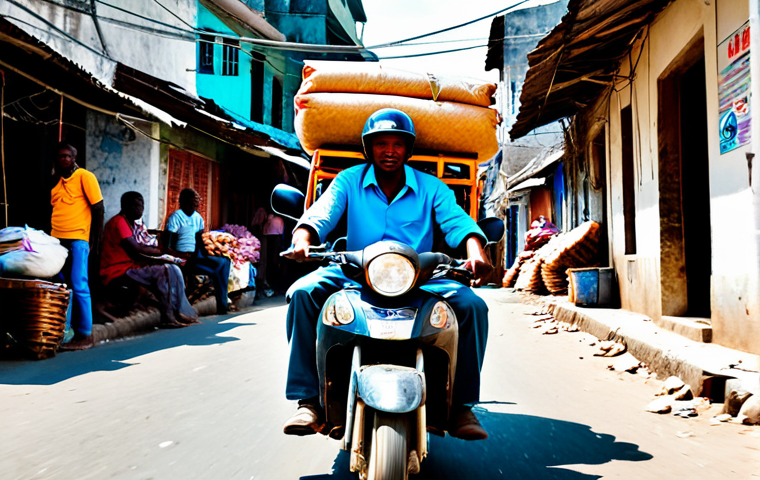
If tap-taps are the flamboyant artists, then moto-taxis are the agile, ever-present workhorses of Haitian transport. These aren’t your typical European scooter rides; these are often rugged motorcycles, expertly piloted through the narrowest alleyways and the most congested markets. What truly amazes me is the skill and fearlessness of the drivers. I’ve seen them weave through gridlock with an almost surgical precision, carrying passengers (sometimes two or three at a time!), bags of groceries, or even construction materials. My first few moto-taxi rides were definitely an adrenaline rush, a whirlwind of sights, sounds, and smells, but after a while, I grew to appreciate their unparalleled efficiency for short, quick trips where a tap-tap simply can’t go. They are the ultimate solution for beating traffic or reaching destinations off the main thoroughfares, and I’ve come to rely on them more often than I ever thought I would.
The Unsung Heroes of Connectivity
For many Haitians, especially in areas not serviced by tap-taps or in emergencies, moto-taxis are literally a lifeline. They bridge the gaps in infrastructure, connecting homes to markets, schools to hospitals, often across challenging terrain. The drivers themselves are incredible entrepreneurs, often working long hours, navigating difficult roads, and dealing with varying fuel prices. They represent a powerful micro-economy, providing essential services and earning a living in a demanding environment. I’ve had conversations with several drivers, hearing about their families, their hopes, and the daily grind. It’s a tough job, but they approach it with a remarkable sense of dedication and community spirit. They’re often local guides too, knowing every shortcut and every nook and cranny of their respective towns, which has saved me a few times when I’ve been running late for an appointment.
Beyond the Usual: Shared Cars and Private Hire
While tap-taps and moto-taxis dominate, Haiti’s transport landscape also includes other vital components. You’ll find ‘camionettes’ or shared cars, which are essentially private vehicles (often older sedans or SUVs) that operate on set routes, picking up multiple passengers. These are a bit more comfortable and sometimes quicker than a tap-tap for certain journeys, offering a slightly more personalized, though still shared, experience. Then there are the more conventional private taxis, usually found around hotels or major transportation hubs, offering direct, private rides – but at a significantly higher cost, of course. My own experience has taught me that these shared cars offer a great middle ground when you need a bit more comfort or speed without the full expense of a private taxi. Each mode plays a specific role, catering to different needs and budgets, showcasing a truly adaptive system that has evolved to serve its people.
The Economic Engine: Fueling Daily Life and Livelihoods
It’s impossible to talk about Haiti’s transportation without touching upon its profound economic impact. This isn’t just about moving people; it’s about moving goods, connecting markets, and sustaining countless livelihoods. The entire system operates as a massive, intricate network of small businesses and individual entrepreneurs. From the mechanics who keep the tap-taps running, to the street vendors selling snacks at bus stops, to the drivers themselves, it’s a powerful engine of economic activity. I’ve witnessed firsthand how a simple fare contributes to a driver’s family, how a full tap-tap means a vendor can buy more produce, and how the flow of goods ensures market shelves are stocked. It’s a constant dance between supply and demand, all orchestrated by the informal yet incredibly robust transport sector. The resilience of this system, especially in the face of economic challenges, truly underscores the entrepreneurial spirit that thrives here.
From Drivers to Dealers: A Chain of Commerce
Consider the ripple effect: a tap-tap driver earns a fare, which goes towards fuel purchased from a local vendor, who in turn pays for their family’s needs. That money then circulates through the community, supporting food stalls, small shops, and even informal repair garages. The parts needed for vehicle maintenance are often imported, creating demand for international trade, while local artisans might be commissioned to paint or decorate the vehicles. It’s a complex, self-sustaining ecosystem where every dollar (or gourde) spent on transportation fuels a much larger economy. I’ve often thought about how much more goes into a simple moto-taxi ride than just the cost of getting from A to B – it’s an investment in a local economy. The sheer number of people directly or indirectly employed by this system is staggering, making it a critical pillar of daily economic life.
Facing the Challenges: Sustainability and Modernization
While incredibly effective, Haiti’s transport system faces significant hurdles. Infrastructure is a constant concern; many roads are unpaved, prone to damage, and become impassable during heavy rains. Fuel price volatility hits drivers hard, directly impacting their income and the affordability of fares. There’s also the ongoing challenge of regulation and safety standards, particularly for moto-taxis. Despite these issues, there’s a growing conversation about more sustainable solutions and modernization. Efforts to improve road networks, introduce more environmentally friendly vehicles, and formalize some aspects of the system are slowly gaining traction. It’s a delicate balance of preserving the unique cultural aspects while addressing the need for safer, more reliable, and greener options. From my perspective, these challenges, while daunting, also present immense opportunities for innovation and community-led solutions.
Navigating Like a Local: Tips for Your Haitian Journey
Embarking on your first journey through Haiti’s public transport system can feel a little overwhelming, but with a few insider tips, you’ll be zipping around like a pro in no time. The key is to embrace the experience, stay open-minded, and not be afraid to ask for help – Haitians are incredibly welcoming and usually happy to guide a lost traveler. My first few days were a blur of trying to figure out where to catch a tap-tap, how much to pay, and how to communicate my destination. But with a bit of practice and observation, it quickly becomes second nature. Always try to learn a few basic phrases in Haitian Creole; even a simple “Ki pri?” (How much?) or “Mwen prale…” (I’m going to…) can go a long way. And remember, patience is truly a virtue here. Traffic can be unpredictable, and journeys might take longer than you expect, so plan accordingly.
Practical Advice for Riders
- Learn Key Phrases: A few words in Creole like “silvouplè” (please), “mèsi” (thank you), and your destination names will make a huge difference.
- Carry Small Bills: Fares are typically low (often 20-50 Goudes for a tap-tap ride within a city), so having small denominations is crucial. Drivers rarely have change for large bills.
- Confirm Destination & Price: Always confirm your destination with the driver or conductor before hopping on a tap-tap or moto-taxi, and agree on the fare beforehand, especially for moto-taxis.
- Be Aware of Your Surroundings: Like any bustling city, keep an eye on your belongings. Keep your phone and wallet secure.
- Embrace the Journey: The noise, the music, the crowds – it’s all part of the authentic Haitian experience. Enjoy the ride and the chance to observe daily life up close.
Common Modes of Transport and Their Use
To give you a clearer picture, here’s a quick overview of the most common ways to get around, based on my personal experiences and observations:
| Transport Type | Best For | Typical Cost (HTG) | Experience Level | Notes |
|---|---|---|---|---|
| Tap-Tap | Longer routes, city-to-city, cultural immersion | 20-50 (short distance), 50-200 (longer) | Essential, but can be crowded | Haggle politely if it’s a long distance; look for destinations on the side. |
| Moto-Taxi | Short distances, beating traffic, hard-to-reach areas | 50-200 (negotiable by distance) | Fast, but can be an adrenaline rush | Always agree on price BEFORE you get on. Helmet use is rare, but available for some. |
| Shared Car (Camionette) | Comfortable city-to-city, slightly faster than tap-taps | 100-500 (depends on distance) | More comfortable, but still shared | Often found at specific stations; more personal space than tap-taps. |
| Private Taxi | Direct, private, comfort, specific times | 500+ (negotiable, higher than others) | Most convenient, but most expensive | Best for airport transfers or if you have a lot of luggage. Book through hotels or trusted contacts. |
Remember, these are general guidelines, and prices can fluctuate. The beauty of Haiti’s system lies in its adaptability, so be ready for anything!
The Future on Four Wheels: Evolution and Resilience
As I reflect on my journeys through Haiti, from the bustling streets of Port-au-Prince to the quieter roads of Jacmel, what consistently stands out is the incredible resilience and evolving nature of its transport system. It’s a dynamic, living entity that adapts to whatever challenges come its way, be it fuel shortages, natural disasters, or economic shifts. This isn’t a static system; it’s constantly finding new ways to connect people and keep the country moving forward. And that, to me, is truly inspiring. It speaks volumes about the determination and ingenuity of the Haitian people, who are always finding solutions, even in the most challenging circumstances. I’ve had some of my most profound cultural insights simply by observing and participating in these daily commutes, watching how communities interact and support each other through the shared experience of travel.
Innovations on the Horizon
While the traditional tap-taps and moto-taxis remain central, there’s a quiet evolution happening. I’ve seen discussions about electric moto-taxis emerging in some areas, promising a cleaner, more sustainable future. There are also efforts to formalize routes, introduce digital payment options, and improve safety standards. These aren’t just abstract ideas; they are grassroots initiatives driven by local entrepreneurs and community leaders who understand the pressing need for progress. The blend of traditional methods with an openness to modern solutions is what makes this system so captivating. It’s a testament to the fact that innovation doesn’t always come from top-down mandates but often from the bottom-up, from the daily needs of people on the ground. It’s an exciting time to witness these changes unfold, seeing how the Haitian spirit for adaptation continues to shape its urban mobility.
Community and Connection: The Unseen Infrastructure
Ultimately, what truly underpins Haiti’s transportation system, more than roads or vehicles, is its strong sense of community. The drivers, conductors, and passengers often know each other, creating a network of trust and familiarity. I’ve observed countless acts of kindness, from helping someone with heavy bags to offering advice to a bewildered tourist like myself. This human element, this unseen infrastructure of mutual support, is what makes the chaos manageable and the system so profoundly effective. It’s a reminder that sometimes, the most sophisticated systems aren’t built on technology and grand plans, but on the simple, powerful bonds between people. My travels here have reinforced my belief that understanding a country’s public transport is a direct pathway to understanding its people, and in Haiti, that pathway is paved with vibrant colors, rhythmic sounds, and an unbreakable spirit.
Wrapping Things Up
As we’ve journeyed through the vibrant world of Haitian public transport, one thing becomes strikingly clear: it’s more than just getting from point A to point B.
It’s a pulsating expression of culture, an engine of the economy, and a testament to human ingenuity. My countless rides, from the boisterous tap-taps to the nimble moto-taxis, have not only shown me the practicalities but also woven me deeper into the very fabric of Haitian daily life.
It’s an experience that truly connects you, heart and soul, to this incredible country.
Essential Insights for Your Haitian Journey
1. Master a Few Creole Phrases: Even simple greetings and questions like “Ki pri?” (How much?) or “Mwen prale…” (I’m going to…) will significantly enhance your experience and show respect for the local culture. It breaks down barriers and makes interactions much smoother.
2. Always Carry Small Bills: Fares are typically low, especially for tap-taps and short moto-taxi rides. Drivers often don’t have change for large denominations, so having small gourdes (20s, 50s, 100s) is absolutely essential for quick and hassle-free transactions.
3. Confirm Your Destination and Price Upfront: Especially with moto-taxis, it’s crucial to state your destination clearly and agree on the fare *before* you start your journey. This prevents any misunderstandings later and ensures you pay a fair, agreed-upon price.
4. Stay Aware of Your Surroundings: While generally safe and friendly, like any busy urban environment, it’s wise to keep an eye on your belongings. Keep your phone tucked away and wallet secure, especially in crowded areas or when dismounting from a vehicle.
5. Embrace the Adventure: Haitian public transport is an immersive cultural experience. Be prepared for vibrant music, lively conversations, and sometimes a bit of jostling. Approach it with an open mind and a sense of adventure, and you’ll uncover some of your most memorable travel moments.
Key Takeaways
Haiti’s public transport system is a unique and essential part of its national identity. More than just a means of getting around, it represents the country’s vibrant culture, entrepreneurial spirit, and incredible resilience. From the art-adorned tap-taps that tell stories on wheels, to the agile moto-taxis navigating every corner, each mode plays a critical role in daily life and the local economy. It’s a system born of necessity, driven by community, and constantly evolving. Engaging with it offers an unparalleled, authentic window into the heart of Haiti, reminding us that true connection often happens on the journey itself.
Frequently Asked Questions (FAQ) 📖
Q: What exactly are these “tap-taps” you mentioned, and how do they actually work in Haiti?
A: Oh, the tap-taps! They’re absolutely legendary and truly the heart and soul of Haitian public transportation. When I first saw them, my jaw practically dropped.
Imagine a pickup truck or a small bus, but instead of being a plain old vehicle, it’s a canvas for incredible, vibrant art! We’re talking hand-painted murals of religious figures, famous quotes, local heroes, or just abstract bursts of color.
Each one is a unique, moving masterpiece. So, how do they work? Think of them as shared taxis, but with a lot more character.
They mostly run on semi-fixed routes, buzzing through cities and towns, picking up and dropping off passengers along the way. You don’t usually find designated stops; you simply wave one down from the side of the road, often by tapping on the side (hence “tap-tap”!).
When you want to get off, you might tap the side again or just shout your destination to the driver or “conductor” (often a young helper hanging off the back).
There’s no fancy app or schedule, it’s all organic, driven by demand and the flow of daily life. I remember my first ride, squeezed in with a dozen others, the music blaring, and the fresh breeze hitting my face – it was chaotic, but utterly exhilarating and a truly authentic way to experience Haitian life.
It’s not just a ride; it’s a moving piece of culture, a daily reminder of the ingenuity and entrepreneurial spirit that keeps Haiti moving forward. Don’t be shy, hop on and soak it all in!
Q: For someone visiting Haiti for the first time, is it genuinely safe to use the local public transport like tap-taps and moto-taxis?
A: That’s a super valid question, and one I get asked a lot! My honest answer, based on all my travels and experiences there, is yes, it can be, but like any bustling urban environment anywhere in the world, it requires common sense and awareness.
I’ve personally found the public transport system, particularly the tap-taps, to be surprisingly reliable and used by millions of Haitians daily. They are a communal space, and generally, locals are incredibly helpful and will often guide you if you look lost.
For first-timers, I always recommend traveling during daylight hours. Keep your valuables out of sight – meaning no flashing expensive cameras or phones openly.
Carry your bag on your lap or between your feet, not on the seat beside you. For moto-taxis, which are motorbikes that take passengers, they’re much faster and can navigate traffic incredibly well, but they definitely come with a higher risk simply due to the nature of motorcycles.
Always try to agree on a price before you get on, and if a helmet is offered, definitely take it! I’ve had countless wonderful, safe interactions, but staying aware of your surroundings, just as you would in Times Square or Piccadilly Circus, is always a good practice.
Don’t let fear stop you from experiencing this vital part of Haitian culture; just be smart about it!
Q: How much does it typically cost to use these transportation options, and what’s the best way to pay for them?
A: When it comes to cost and payment, it’s all about the Haitian Gourde (HTG) and having small bills! Generally, public transport in Haiti is incredibly affordable, especially for the distances covered.
Prices aren’t set by meters but by the route or distance, and they’re surprisingly consistent, although they can fluctuate slightly based on fuel prices (which, as you know, can change rapidly globally!).
For a short tap-tap ride within a city, you might expect to pay as little as 25-50 HTG. Longer journeys or those crossing between towns will naturally cost more, perhaps 100-300 HTG or even more depending on the distance.
My best advice for payment is to always have small denominations of Gourdes on hand. Drivers, especially in tap-taps, don’t always have change for larger bills.
For moto-taxis, it’s customary and wise to confirm the fare before you hop on. Sometimes there’s a little room for negotiation, especially if you’re not fluent in Creole, but generally, the prices are fair for locals.
Remember, cash is king; credit cards are absolutely not an option for these informal services. This system, while seemingly informal, is a vital part of the local economy, providing livelihoods for countless drivers and connecting communities, adapting on the fly to keep the nation moving.
So, stack up on those small Gourde bills, confirm your fare with a friendly smile, and enjoy the ride!
📚 References
Wikipedia Encyclopedia
구글 검색 결과
구글 검색 결과
구글 검색 결과
구글 검색 결과
구글 검색 결과