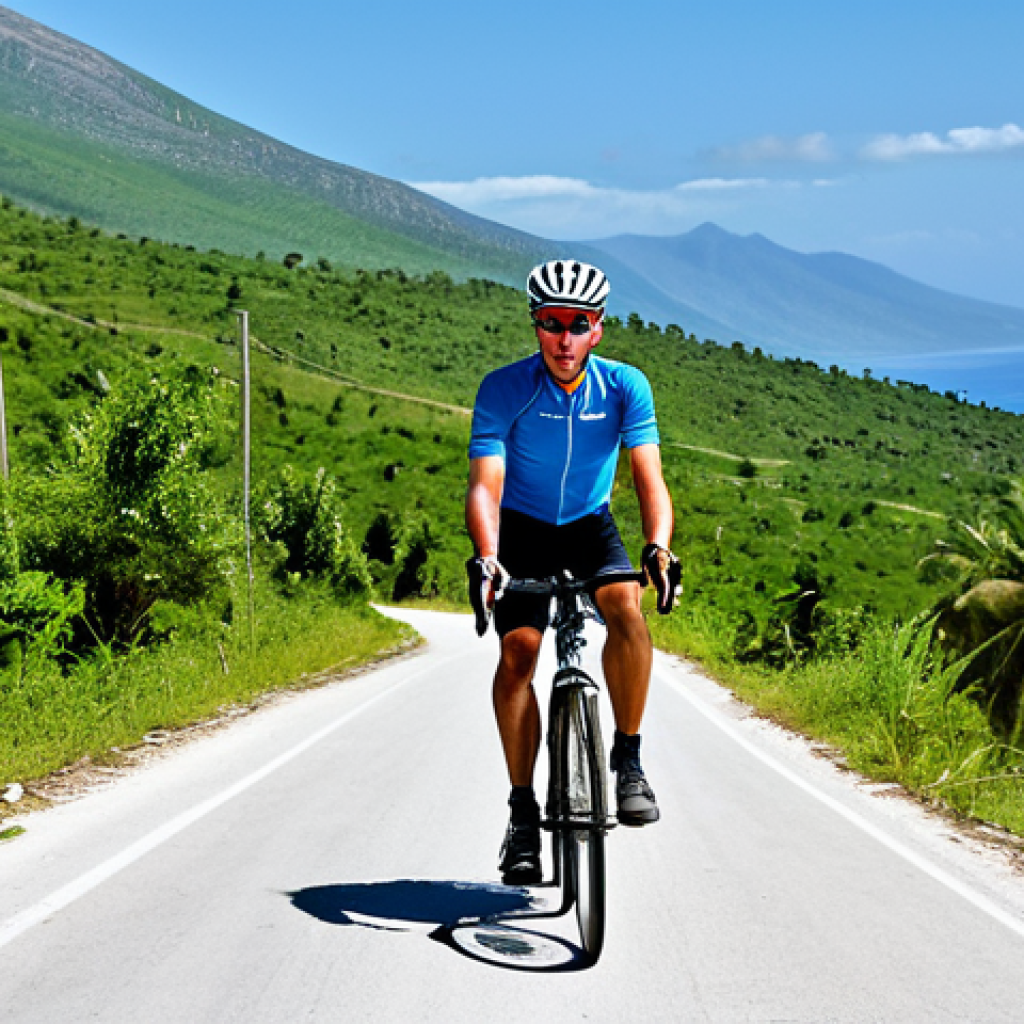
I’ll never forget the sheer exhilaration of pedaling through Haiti’s winding mountain roads, the vibrant colors of daily life blurring past me. It was an experience that fundamentally reshaped my understanding of adventure travel, offering something profoundly different.
While many destinations boast scenic routes, Haiti provides a raw, unfiltered journey through a land rich in history and spirit, where every turn presents a new, often unexpected, vista.
What truly struck me was the warm resilience of the Haitian people, always ready with a wave or a smile, even as their nation grapples with complex challenges.
This direct engagement, far from the polished resorts, is what makes cycling here so deeply rewarding. In an era where travelers increasingly crave authentic, sustainable experiences, Haiti is slowly but surely emerging as a compelling, off-the-beaten-path cycling frontier.
It’s not just about the physical challenge; it’s about connecting with a vibrant culture in the most personal way possible. From my perspective, this nation holds immense, largely untapped potential for responsible ecotourism, offering incredible landscapes that are just waiting to be explored by bike.
Let’s journey deeper into the routes that await your wheels!
Embracing the Unforeseen: Navigating Haiti’s Highland Trails
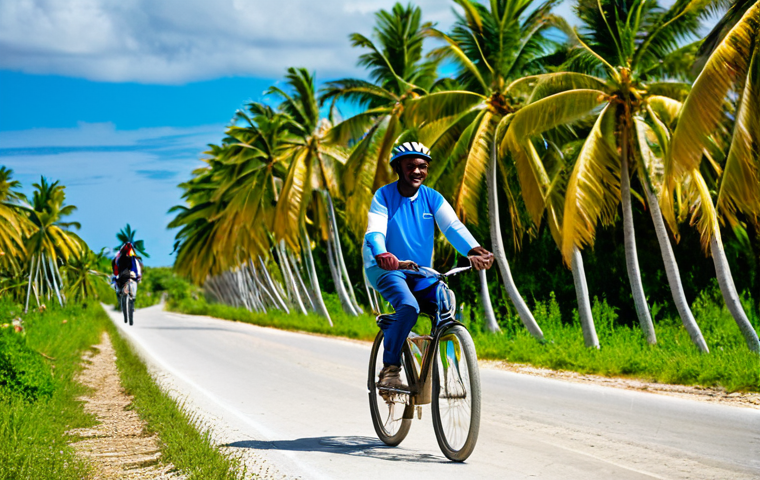
From the moment my tires first kissed the rugged paths winding through Haiti’s central highlands, I knew this wasn’t going to be a typical cycling holiday.
This was an expedition, a deep dive into a landscape that constantly demands your full attention, yet rewards it tenfold with breathtaking vistas and an unparalleled sense of accomplishment.
My preferred starting point has always been somewhere near Kenscoff, nestled high in the mountains above Port-au-Prince. The air up there is cooler, crisp, carrying the scent of pine and rich earth.
I remember one particular climb, relentless in its gradient, where every pedal stroke felt like a conversation with the mountain itself. But reaching the summit, the view that unfolded – a sprawling tapestry of green valleys, distant blue Caribbean, and patchwork farmlands – was nothing short of spiritual.
It’s a route that tests your endurance but gifts you with an intimate understanding of Haiti’s majestic, untamed heart. The challenge isn’t just physical; it’s about embracing the spontaneity of unpaved roads, the sudden appearance of local markets, and the ever-present chorus of daily life.
It’s an immersion, not just a ride.
The Thrill of the Kenscoff Loop: A High-Altitude Odyssey
My first major foray into Haitian cycling was the demanding yet incredibly rewarding Kenscoff Loop, an experience etched permanently into my memory. This isn’t for the faint of heart, I’ll admit.
The roads are a mix of well-worn asphalt and loose gravel, winding through pine forests that defy the tropical stereotype and past small, vibrant communities where life unfolds at a different, more human pace.
I recall one morning, as the sun began to warm the dew-kissed leaves, pushing through a particularly steep ascent near Furcy, my legs burning, lungs aching.
Just as I thought about pausing, a group of children, all smiles and infectious energy, cheered me on from the roadside. That small gesture ignited a new burst of power within me, reminding me that this journey was as much about the human connection as it was about the physical challenge.
The descent afterward was a blur of exhilarating speed and sweeping turns, the wind rushing past my ears as the panoramic views of the entire valley opened up beneath me.
It’s a route that taught me resilience and the profound joy of pushing my own limits in a truly spectacular setting.
Off-Road Rhythms: Exploring the Backcountry Trails
Venturing off the main arteries into Haiti’s backcountry trails is where the true adventure lies, where the map often feels more like a suggestion than a definitive guide.
These are the routes that reveal Haiti’s hidden gems – secluded waterfalls, ancient banyan trees, and tiny hamlets where time seems to slow down. I remember one spontaneous decision to follow a faint track leading off the main road somewhere near Leogane.
It quickly turned into a single-track paradise, weaving through dense tropical foliage, across shallow streams, and past farmers tending their fields.
The sounds of birdsong, the rustling leaves, and the distant calls of villagers created a symphony of nature and humanity. My bike, a trusted companion, handled every root and rock with surprising grace.
This is where you truly feel like an explorer, not just a tourist. It’s a raw, visceral experience that connects you directly to the pulse of the land and its people, leaving you with stories that resonate long after the ride is over.
It’s about getting delightfully lost and finding unexpected beauty.
Coastal Rhythms and Caribbean Breezes: The Northern Shore Adventures
While the highlands call to the mountain biker in me, the northern coast of Haiti offers a completely different, yet equally captivating, cycling experience.
Here, the ride is less about conquering elevation and more about embracing the rhythmic flow of the Caribbean Sea. I vividly remember the sensation of the warm, salty air on my skin as I cycled along the stretches of road that hug the coastline, especially around Cap-Haïtien.
The vibrant blue of the ocean, stretching endlessly to the horizon, contrasted beautifully with the lush greenery of the shoreline and the pastel-colored houses of the coastal towns.
It’s a sensory feast, with the gentle roar of the waves accompanying your pedal strokes and the smell of fresh fish wafting from roadside vendors. This region provides an incredible opportunity for more relaxed, yet still incredibly engaging, rides that combine stunning natural beauty with historical intrigue.
From my personal experience, these coastal routes offer a perfect balance for those who want to immerse themselves in Haiti’s beauty without the constant physical demands of the mountainous terrain.
The Historical Coastline: Cap-Haïtien to Cormier Plage
One of my absolute favorite coastal rides is the stretch from Cap-Haïtien, Haiti’s second-largest city and a hub of rich history, out towards the tranquil beaches of Cormier Plage.
This route is a delightful blend of urban vibrancy and serene natural beauty. Starting amidst the bustling energy of Cap-Haïtien, I loved weaving through its charming colonial streets, catching glimpses of its past glory before the road opened up to spectacular ocean views.
The journey to Cormier Plage, though relatively short, is utterly picturesque, with palm trees swaying in the gentle sea breeze and the inviting turquoise waters beckoning from the side.
I often made a point of stopping at one of the small, informal roadside eateries to grab a refreshing coconut water or a plate of freshly caught grilled fish – the taste of the ocean on my tongue, truly a local delight.
It’s a ride that doesn’t demand extreme athleticism but rewards you with deep relaxation and stunning photo opportunities, making it perfect for a leisurely day trip or as part of a longer coastal exploration.
Island Hopping by Bike: The Île-à-Vache Expedition
For a truly unique coastal cycling adventure, I heartily recommend the Île-à-Vache expedition. This small, relatively undeveloped island off the southern coast of Haiti offers an unparalleled sense of tranquility and a glimpse into a simpler way of life.
My journey there began with a short, scenic boat ride from Les Cayes, my bicycle securely stowed on board, adding to the anticipation. Once on the island, the unpaved roads and sandy tracks present a different kind of challenge – less about elevation, more about navigating soft surfaces and enjoying the relaxed pace.
What truly captivated me was the feeling of isolation and peace; the only sounds were the rustling of palm fronds and the distant lapping of waves. I pedaled past pristine beaches, local fishing villages, and lush agricultural plots, always greeted with warm smiles and curious waves from the islanders.
It felt like stepping back in time, a genuine escape from the modern world. Exploring Île-à-Vache by bike is an intimate encounter with untouched nature and genuine Haitian hospitality, an experience I cherish deeply.
A Pedal Through History: Exploring the Artibonite Valley’s Heritage
Beyond the raw beauty of its mountains and the inviting charm of its coastlines, Haiti’s soul is deeply intertwined with its history, and cycling through the Artibonite Valley offers a unique opportunity to connect with this profound past.
This fertile valley, often referred to as Haiti’s breadbasket, is not just a region of agricultural importance; it’s a living museum, a testament to the nation’s struggle for freedom and its enduring spirit.
As I cycled through the flat, sun-drenched plains, I couldn’t help but feel the weight of history in every breeze. The air seemed to whisper tales of resistance and triumph.
My route often took me along the Artibonite River itself, the lifeblood of the valley, providing a constant, soothing presence. It’s a completely different rhythm of ride compared to the highlands, less about strenuous climbs and more about reflective journeys through landscapes dotted with historical markers and vibrant rural life.
The feeling of gliding past centuries-old structures and fields that have sustained generations of Haitians is deeply moving.
The Citadelle Laferrière Trail: A Journey to Haiti’s Majestic Past
While not directly in the Artibonite Valley, the approach to the magnificent Citadelle Laferrière from nearby Milot is an experience I simply had to include, as it epitomizes a historical cycling journey.
This isn’t a direct bike-to-the-top kind of ride; the final ascent to the Citadelle itself is best done on foot or by mule due to its extreme steepness and historical preservation.
However, the cycling leading up to the base of the mountain, through the lush northern plains and towards the town of Milot, is absolutely essential. I recall the morning mist clinging to the sugarcane fields as I pedaled, the sense of awe growing with every turn as the monumental fortress slowly revealed itself on the distant peak.
The journey allows you to soak in the atmosphere of the region that birthed Haiti’s independence. It’s a poignant reminder of the nation’s incredible defiance and architectural ambition, making the physical effort to get there feel like a pilgrimage.
The sheer scale and historical significance of the Citadelle are truly humbling, making this a cycling adventure steeped in deep cultural appreciation.
Reflections in Rivière Artibonite: Rural Life and Resilient Spirits
Cycling along the banks of the Rivière Artibonite allowed me an intimate glimpse into the daily life of rural Haitians, a truly humbling and enriching experience.
The flat terrain here is a welcome change after the relentless climbs of the highlands, offering a chance to simply glide and observe. I remember stopping frequently, not because I was tired, but because there was always something new to witness: women washing clothes by the river, farmers tending their rice paddies with incredible precision, and children splashing playfully in the water.
The warmth of the people here is palpable; every wave and smile felt genuine and heartfelt. My conversations, often simple exchanges of greetings or inquiries about my journey, always left me feeling more connected to the place.
This part of Haiti truly embodies resilience and ingenuity, and seeing it firsthand from the saddle of my bike, at a pace that allows for true engagement, felt like a privilege.
It’s not just a ride; it’s a living, breathing anthropology lesson.
Beyond the Ride: Immersing in Local Haitian Culture
Cycling in Haiti isn’t merely about the miles you cover or the elevation you conquer; it’s a profound cultural immersion that touches your soul in ways few other travel experiences can.
From my perspective, the true magic of exploring Haiti by bike lies in the spontaneous interactions and the intimate exposure to its vibrant, complex, and incredibly resilient culture.
Every village I passed through, every market I stumbled upon, offered a new layer of understanding, a fresh perspective on a nation often misunderstood.
I learned to anticipate the cheerful greetings of “Blan!” (foreigner), always accompanied by a wide smile, and to appreciate the simplicity and generosity of people who often have little but are willing to share everything.
This isn’t travel from a distance; it’s travel at the human level, where your senses are constantly alive to the sights, sounds, and smells of daily life unfolding around you.
It’s about letting go of preconceived notions and allowing Haiti to reveal itself to you, one pedal stroke at a time.
Savoring the Flavors: A Culinary Journey by Bike
One of the most delightful aspects of my cycling adventures in Haiti has always been the impromptu culinary stops. Food, for me, is an indispensable part of understanding a culture, and Haitian cuisine is a vibrant, flavorful tapestry that perfectly complements the energy of the ride.
I vividly recall pulling up to a roadside stand, often just a simple table with a few pots, and being offered some of the most delicious food I’ve ever tasted.
My go-to always included (fried pork) with (spicy pickled cabbage) – the perfect fuel after a long ride, a burst of savory and spicy goodness. And then there’s the fresh fruit!
Mangoes, papayas, and passion fruits, picked ripe from local trees, were always a refreshing treat, hydrating and sweet. I also developed a soft spot for , a medley of fried plantains, sweet potatoes, and breadfruit, readily available and utterly satisfying.
These aren’t just meals; they’re communal experiences, often shared with locals, breaking down barriers and fostering connections over simple, honest food.
It’s a true taste of Haiti, prepared with love and served with a smile.
Connecting with Communities: The Heart of Haitian Hospitality
What sets cycling in Haiti apart for me, more than any scenic view or challenging climb, is the unparalleled warmth and genuine hospitality of its people.
I’ve traveled extensively, but nowhere have I felt such an immediate and heartfelt connection with the local communities. I recall one instance where I had a minor mechanical issue with my bike in a tiny village far off the main road.
Within minutes, a small crowd had gathered, not out of curiosity alone, but with genuine offers of help. A young man, barely older than a teenager, instinctively began tinkering with my chain, while an elderly woman brought me a glass of cool water.
There was no expectation of payment, just a desire to assist a stranger. These are the moments that truly define my experience of Haiti – moments of unexpected kindness, shared laughter, and a deep sense of human connection.
It reminds you that travel isn’t just about seeing places; it’s about connecting with people, and in Haiti, those connections are immediate, profound, and leave an indelible mark on your heart.
Logistics and Lay of the Land: Practicalities for Your Haitian Cycle Tour
Embarking on a cycling tour in Haiti, while incredibly rewarding, does require a certain level of preparedness and a flexible mindset. From my own experience, understanding the practical aspects before you go can significantly enhance your journey, transforming potential challenges into part of the adventure.
It’s not like cycling in Western Europe where infrastructure is omnipresent; Haiti offers a more raw, authentic experience that demands self-reliance and an open mind.
I’ve learned that a good quality mountain bike is non-negotiable for tackling the varied terrain, and essential spares are just as crucial as your passport.
Knowing a few basic phrases in Haitian Creole goes a long way, not just for practical communication but for building rapport with locals, who deeply appreciate the effort.
It’s about doing your homework, packing smart, and being ready for anything, knowing that the rewards far outweigh any minor inconveniences.
Essential Gear and Bike Preparation: Ready for the Road
When I pack for a cycling trip to Haiti, I always prioritize durability and versatility. My mountain bike, typically a hardtail with good front suspension, is serviced meticulously before departure, with extra attention paid to brakes and tires.
Puncture-resistant tires are a must, as are a comprehensive repair kit, including spare tubes, a patch kit, and a multi-tool. Hydration is paramount under the Haitian sun, so a reliable hydration pack and multiple water bottles are non-negotiable.
I personally carry a water filter as well, for refilling from trusted local sources. Beyond the bike, lightweight, moisture-wicking clothing, a good helmet, cycling gloves, and sturdy closed-toe shoes are essential.
I also always make sure to pack a first-aid kit with basic medical supplies, insect repellent, and strong sunscreen. It might sound like a lot, but being self-sufficient ensures you can truly embrace the freedom of the open road, even in remote areas.
Navigating and Safety: Tips for the Independent Cyclist
Navigating Haiti as an independent cyclist requires a combination of common sense, local insight, and a healthy dose of flexibility. While GPS apps like Maps.me can be helpful for general routes, I’ve found that local knowledge is often the best guide, especially on less-traveled paths.
Don’t be afraid to ask locals for directions; their guidance can often lead you to unexpected discoveries or save you from a dead-end road. Safety, of course, is a top priority.
I always aim to cycle during daylight hours and try to avoid cycling alone in very isolated areas, especially at night. Being aware of your surroundings, carrying a fully charged phone, and having a reliable light source are crucial.
While encounters with crime are rare for cyclists, it’s always wise to be discreet with valuables. Trust your gut feeling, and if a situation doesn’t feel right, it probably isn’t.
The vast majority of my interactions have been overwhelmingly positive, but a cautious approach ensures a smooth and enjoyable journey.
| Aspect | Recommendation for Haiti Cycling | My Personal Experience |
|---|---|---|
| Bike Type | Sturdy Mountain Bike (Hardtail or Full Suspension) | My hardtail handled everything from paved roads to rugged trails surprisingly well. |
| Terrain | Varied: Paved, gravel, dirt tracks, some steep climbs. | Challenging climbs in the mountains, but rewarding coastal plains. |
| Navigation | Offline maps (Maps.me, OsmAnd), local guidance. | Locals were my best navigators; always friendly and eager to help. |
| Hydration | Hydration pack + extra bottles (minimum 3L capacity). | Drank constantly; a water filter was a lifesaver for refilling. |
| Safety | Daylight cycling, avoid isolated areas, basic Creole phrases. | Felt genuinely welcomed; minor mechanical issue quickly resolved by villagers. |
| Accommodation | Mix of guesthouses, local inns; limited high-end options outside cities. | Stayed in charming local guesthouses, offering authentic experiences. |
Sustainable Cycling: Giving Back to the Communities You Explore
For me, responsible travel is not just a concept; it’s a practice, especially when exploring a country like Haiti that has faced its share of challenges.
As a cyclist, you have a unique opportunity to directly engage with and contribute to the local communities you pass through, making your adventure not just about personal fulfillment but also about positive impact.
I’ve always felt that simply spending your money locally – buying food from small vendors, staying at locally owned guesthouses, or hiring local guides for specific sections of a route – is one of the most effective ways to ensure your tourism dollars circulate within the community.
It’s about more than just financial transactions; it’s about fostering respect, understanding, and mutual benefit. My own experiences have shown me that these small acts of support are deeply appreciated, building bridges between visitors and locals that enrich the journey for everyone involved.
Ethical Engagement: Supporting Local Economies
One of my core principles when cycling abroad, especially in developing nations, is to ensure my presence benefits the local economy directly. In Haiti, this often meant consciously choosing to patronize small, independent businesses.
Instead of seeking out large, foreign-owned establishments, I would actively look for the roadside stalls selling fresh fruit, the small family-run ‘konbit’ restaurants offering home-cooked meals, or the humble guesthouses run by local families.
I remember one particular instance in a small town in the Nord department where I needed a bike repair. Instead of looking for a formal bike shop (which are rare outside major cities), I found a local mechanic who usually worked on motorcycles.
He expertly fixed my issue with ingenuity and a smile, and the modest payment I offered felt like a genuine exchange. These aren’t just transactions; they’re investments in the livelihoods of the people you meet, creating a tangible, positive impact that goes beyond a mere tourist visit.
Respecting Culture and Environment: Leave No Trace
Beyond economic support, respecting local culture and the environment is paramount for any cyclist in Haiti. This means more than just not littering; it involves being mindful of local customs, asking permission before taking photographs, and generally being a polite and considerate guest.
I always try to learn a few basic Creole phrases – even “Bonjou” (good morning) and “Mèsi” (thank you) go a long way in showing respect and opening doors to warm interactions.
Environmentally, the principle of “leave no trace” is critically important. Haiti’s natural beauty is fragile, and as cyclists, we have a responsibility to minimize our impact.
I always carry out all my trash, avoid disturbing local flora and fauna, and stick to established trails wherever possible. It’s about being an advocate for sustainable tourism, ensuring that the incredible landscapes and vibrant culture of Haiti remain pristine and welcoming for generations to come.
Your actions as a traveler speak volumes, and for me, leaving a positive footprint is just as important as the journey itself.
The Heartbeat of Haiti: Personal Reflections and Unforgettable Moments
Looking back on my numerous cycling expeditions through Haiti, what truly resonates isn’t just the physical challenge or the stunning scenery, but the profound human connection and the raw, unfiltered authenticity of the experience.
It wasn’t always easy – there were grueling climbs, unexpected detours, and moments of uncertainty – but these very challenges forged a deeper appreciation for the journey and the incredibly resilient spirit of the Haitian people.
Every pedal stroke was an act of discovery, unveiling layers of a country that pulsates with life, art, and an indomitable will to thrive. I’ve carried those memories with me, the sound of children’s laughter echoing in the hills, the taste of a perfectly ripe mango on a hot afternoon, and the comforting warmth of a stranger’s smile.
These aren’t just anecdotes; they are the very fabric of an adventure that truly changed my perspective on travel and on humanity itself.
Moments of Pure Joy: Finding Beauty in the Unscripted
It’s the unscripted moments that often define a truly memorable journey, and my cycling trips through Haiti have been filled with them. I vividly remember one sweltering afternoon, cycling along a dusty road, feeling the fatigue in my legs, when I suddenly heard the rhythmic beat of drums from a nearby village.
Curiosity led me to a small gathering, where locals were celebrating a small community event with music and dancing. I was immediately welcomed, handed a small cup of (local sugarcane rum), and encouraged to join in the dancing.
My clumsy attempts at their fluid movements elicited much laughter, but it was laughter shared, not mocked. It was a moment of pure, unadulterated joy, a spontaneous connection that transcended language barriers and cultural differences.
These are the precious gems of Haitian cycling – moments of genuine human interaction that simply cannot be planned, yet leave an indelible mark on your heart, reminding you of the profound beauty of human connection.
Resilience and Hope: Lessons Learned on the Road
Beyond the physical landscapes, Haiti’s greatest lesson lies in the unwavering resilience and profound hope of its people. Cycling through their daily lives, witnessing their ingenuity in the face of adversity, and experiencing their boundless spirit has been deeply humbling.
I’ve seen communities rebuild with astonishing determination after natural disasters, individuals finding joy and laughter amidst hardship, and a collective pride that burns brightly despite external narratives.
My time on the bike there wasn’t just about exploring a country; it was about learning from its heart. It taught me about perspective, about what truly matters, and about the incredible strength of the human spirit.
Haiti isn’t just a destination; it’s a teacher, and every mile I’ve pedaled there has reinforced my belief in the power of hope and the enduring beauty of humanity.
It truly changes you, for the better.
Wrapping Up Your Haitian Cycling Adventure
My cycling journeys through Haiti have been more than just trips; they’ve been an education, an adventure, and a profound connection to a country that often defies expectations.
If you’re seeking a destination that offers raw beauty, genuine human interaction, and the exhilarating challenge of diverse landscapes, then Haiti, explored from the saddle of a bike, is an experience I wholeheartedly recommend.
It’s a place that will test your spirit but reward you with unforgettable memories, proving that true adventure lies in embracing the unscripted. So, ready your gears, open your heart, and let Haiti show you its vibrant soul, one pedal stroke at a time.
Useful Information for Cyclists
1. Currency and Payments: The local currency is the Haitian Gourde (HTG). While some larger hotels and tourist spots might accept US dollars, cash is king, especially in rural areas and local markets. Always carry small denominations for convenience and fair transactions.
2. Language Essentials: While French is an official language, Haitian Creole is the language of daily life. Learning a few basic phrases like “Bonjou” (good morning), “Mèsi” (thank you), “Silvouplè” (please), and “Wi/Non” (yes/no) will go an incredibly long way in building rapport and facilitating interactions.
3. Best Time to Visit: The dry season, typically from November to May, offers the most favorable cycling conditions, with cooler temperatures and less rainfall. This avoids the heavier rains and higher humidity of the wet season, making for more comfortable rides.
4. Connectivity: Mobile network coverage (primarily Digicel and Natcom) is decent in and around major towns, but can be spotty in remote areas. Consider purchasing a local SIM card upon arrival for easier communication and mobile data access. Wi-Fi in guesthouses can vary in reliability.
5. Health and Hydration: Consult your doctor for necessary vaccinations before your trip. Hydration is crucial; always carry plenty of water and consider a portable water filter for refilling from trusted sources. Pack a basic first-aid kit, insect repellent, and high-SPF sunscreen.
Key Takeaways for Your Journey
Cycling in Haiti is an unparalleled adventure, blending thrilling physical challenges with profound cultural immersion. It requires thorough preparation, especially concerning your bike and gear, and a flexible, open mindset.
Embracing local interactions, supporting the community, and respecting cultural norms are not just beneficial but truly enhance the experience, transforming a bike tour into a deeply personal journey of discovery and connection.
The resilience and warmth of the Haitian people are the true highlights, leaving a lasting impression that goes far beyond the scenic beauty.
Frequently Asked Questions (FAQ) 📖
Q: Is Haiti truly safe enough for a cycling trip, especially with what we hear in the news sometimes?
A: That’s a completely fair question, and honestly, it’s one I grappled with before my first trip. What the news often misses is the incredible warmth and resilience you encounter on the ground.
When I was there, cycling through the mountains, I found the local communities incredibly welcoming. Like any adventure travel, you need to be smart – go with experienced local guides who know the routes and the lay of the land, respect local customs, and be aware of your surroundings.
It’s not about being reckless; it’s about being prepared and trusting local expertise. My experience was overwhelmingly positive; I felt a sense of connection and safety I haven’t found in more ‘polished’ destinations.
It truly reshaped my perception.
Q: What kind of gear and preparation should I be thinking about for a cycling trip in Haiti?
A: From my firsthand experience, this isn’t a casual bike path cruise, and you need to treat it like a proper adventure. First off, a robust mountain bike or a very capable gravel bike is non-negotiable.
Those “winding mountain roads” mean serious climbs and descents, often on unpaved surfaces. Beyond the bike, think essentials: a good helmet (obviously!), plenty of water capacity, sun protection, and a basic repair kit because aid stations aren’t around every corner.
But beyond the physical gear, prepare mentally for an immersive experience. It’s not just about the mileage; it’s about connecting with the local rhythm, so learning a few basic Kreyòl phrases goes a long way.
Trust me, a simple “Bonjou!” can open doors to amazing interactions.
Q: You mentioned “direct engagement” and “connecting with a vibrant culture.” How does that actually play out on a bike, and what should I keep in mind?
A: This is probably the most rewarding part of cycling in Haiti, honestly. Unlike being cooped up in a tour bus or a resort, when you’re on a bike, you’re truly in the environment, right there with the communities.
I’ll never forget the kids waving and shouting “Blanc! Blanc!” with huge smiles, or stopping for a spontaneous chat with a farmer by the roadside. It’s real, unfiltered interaction.
The key is to be open, respectful, and genuinely curious. Smile, wave back, and don’t be afraid to try and communicate, even if there’s a language barrier – gestures go a long way!
Remember, you’re a guest in their country. Embrace the unexpected, be patient, and you’ll come away with memories and connections that truly last, far beyond just seeing the sights.
It’s less about ticking off landmarks and more about experiencing humanity.
📚 References
Wikipedia Encyclopedia
구글 검색 결과
구글 검색 결과
구글 검색 결과
구글 검색 결과