Ever wondered what truly sets two seemingly similar Caribbean neighbors apart? When I first started exploring the rich tapestries of Haiti and Cuba, I admit, I expected some overlap—tropical vibes, vibrant music, and a shared history of resilience.
But oh, how wrong (and wonderfully surprised!) I was. Digging deeper, it quickly became clear that while both nations boast incredibly rich cultures, their journeys, their influences, and even the very rhythm of daily life dance to dramatically different beats.
From the profound spiritual depth of Haitian Vodou echoing through Port-au-Prince to the lively, rhythmic pulse of Cuban salsa in Havana’s streets, the distinctions are not just fascinating but deeply ingrained in every aspect of their societies.
I’ve spent countless hours immersing myself, talking to locals, and truly experiencing the unique flavors each island offers, and I’m thrilled to share what I’ve discovered.
Ready to peel back the layers and discover the vibrant, intricate worlds of these incredible nations? Let’s uncover the fascinating truths that lie beneath the surface right here.
The Echoes of Faith: Vodou’s Deep Roots vs. Santería’s Spirited Sanctuary
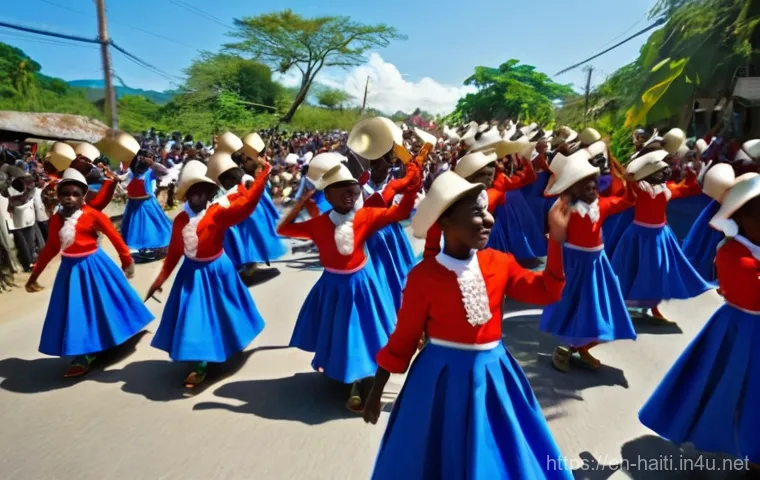
When I first stepped onto Haitian soil, there was an unmistakable spiritual hum in the air, a profound connection to Vodou that permeates every facet of life.
It’s not just a religion; it’s the very soul of the nation, a dynamic force that shaped their history, their art, and their indomitable spirit. I remember visiting a *lakou*, a traditional family compound, and feeling the tangible presence of the Lwa, the spirits, in the rituals, the drumming, and the fervent prayers.
It’s a practice deeply rooted in ancestral veneration and a profound respect for nature, woven into the daily rhythm of ordinary Haitians. It’s a unique fusion of West African traditions and Catholicism, born out of necessity and resilience during slavery, and it continues to be a vibrant, living tradition today, often misunderstood but incredibly rich.
The sense of community and collective memory it fosters is something truly powerful.
Vodou’s Unseen Influence
What struck me most about Vodou in Haiti wasn’t just its ceremonies, but how it subtly colors conversations, decision-making, and even local proverbs.
You hear whispers of the Lwa in stories, see symbols in art, and feel its protective embrace in times of hardship. I learned that for many, Vodou provides a framework for understanding the world, for healing, and for justice.
It’s a practical faith that offers solutions and comfort in a way that’s deeply personal and communal. The stories I heard from people about their spiritual experiences were not just tales; they were lived realities, deeply integrated into their personal narratives and their collective history.
This deep, personal connection felt utterly distinct from anything I’d encountered elsewhere, creating a societal fabric imbued with spiritual meaning.
Santería’s Vibrant Presence
Crossing over to Cuba, the spiritual landscape shifts, yet retains a similar undercurrent of African heritage. Here, Santería, or Regla de Ocha, shines brightly, often danced and sung into being with vibrant colors and pulsating rhythms.
My first time witnessing a Santería ceremony was electrifying – the intricate drumming, the mesmerizing dances, the palpable energy as practitioners connected with the Orishas, the deities of the Yoruba pantheon.
While like Vodou, it blends African traditions with Catholicism, the manifestation feels distinctively Cuban. There’s a more public, celebratory flair to its expressions, often seen in the streets during festivals or in the iconic imagery of the *Orishas* adorning homes and shops.
It felt like a constant, joyful dialogue between the earthly and the divine, ever-present and beautifully expressed.
Rhythms of Resilience: Music and Dance That Define a Nation
The moment you step off the plane in Haiti, the air vibrates with sound. Often, it’s the raw, percussive energy of *Rara* music during carnival season, or the soulful, melancholic strains of *Mizik rasin* (roots music) blending traditional Vodou rhythms with contemporary sounds.
Haitian music, in my experience, is deeply tied to storytelling and resistance. It’s often a reflection of struggle, hope, and an unwavering spirit. The drums, especially, speak volumes, carrying ancient messages and a rhythmic pulse that feels intrinsically linked to the land and its people.
I’ve spent evenings in local *gaguères* (cockfight arenas, but also social hubs) where the drumming and singing would just take over, a powerful, communal release that transcended language.
It’s not just entertainment; it’s a living, breathing chronicle of their journey.
The Drumbeat of Haitian Identity
Haitian music, particularly genres like *Kompa* and *Rara*, feels like the heartbeat of the nation. It’s full of syncopated rhythms, often driven by intricate drumming patterns and powerful vocal choruses that invite participation.
When I had the chance to join in a *Rara* procession, with its long bamboo trumpets and infectious rhythms, I wasn’t just an observer; I was part of a collective expression of joy and cultural pride.
It was an exhilarating experience, a feeling of being completely immersed in the dynamic energy of the culture. Even in more modern forms, that raw, authentic energy, born from centuries of history, remains powerfully present, always telling a story, always moving the body and soul.
Cuba’s Infectious Salsa and Son
Across the water in Cuba, the musical landscape explodes with a different kind of infectious joy. You can’t walk down a street in Havana without hearing the tantalizing rhythms of *son cubano* or the irresistible beat of *salsa* spilling from every doorway.
Cuban music is pure exuberance, a vibrant celebration of life that makes you want to move. I remember one unforgettable night in a *casa de la trova*, a traditional music house, where the entire room, young and old, was dancing with an effortless grace and passion that was simply breathtaking.
It’s a complex tapestry of African rhythms, Spanish melodies, and indigenous influences, resulting in a sound that is uniquely, undeniably Cuban. The way music is intertwined with daily social life, from casual street corner jams to professional performances, is truly something to behold.
Culinary Canvas: Flavors That Tell a Story
Exploring the food of Haiti and Cuba felt like tasting their history. In Haiti, the cuisine is hearty, flavorful, and often carries a subtle heat that awakens the palate.
I remember savoring *Griot* – crispy fried pork marinated in citrus – with *Pikliz*, a spicy pickled cabbage relish. It’s a symphony of textures and flavors that speaks to the resourcefulness and creativity born from their past.
The use of robust spices, fresh local ingredients like plantains, yams, and breadfruit, and the slow-cooked stews (*bouillons*) all tell a story of nourishment and community.
Eating in Haiti felt like a genuine connection to the land and its people, a culinary experience steeped in tradition and rich in history. Each dish felt like a comfort, a piece of home.
Haitian Flavors: Aromatic and Hearty
Haitian food, for me, was an adventure in robust flavors. Think rich, savory sauces, often tomato-based, with fragrant herbs and spices like thyme, parsley, and Scotch bonnet peppers.
The emphasis on slow cooking, creating deep, complex flavors, is something I truly appreciate. I vividly recall a simple plate of *diri ak pwa* (rice and beans) that was anything but simple – each grain of rice infused with an incredible depth of flavor.
It’s honest, unpretentious food that fills you up and warms your soul, a testament to the nation’s ability to create incredible richness from often humble ingredients.
Sharing a meal in Haiti felt like a profound act of hospitality and connection.
Cuban Cuisine: A Symphony of Savory and Sweet
Cuban cuisine, while sharing some common Caribbean ingredients, offers a distinctly different profile. There’s a wonderful blend of savory and subtly sweet, often with a reliance on garlic, cumin, and oregano.
My personal favorite became *Ropa Vieja* – tender shredded beef stewed in a tomato-based sauce with peppers and onions. And, of course, the ever-present *Arroz congris*, rice cooked with black beans, forming a delicious pairing.
Cuban food also embraces citrus marinades, particularly sour orange, which adds a fantastic tanginess to meats. Dining in Cuba felt like a vibrant, flavorful embrace, often accompanied by lively conversation and the ever-present rhythm of music.
There’s a comforting familiarity to the dishes, yet each bite is uniquely Cuban.
Artistic Expressions: Visual Tales and Vibrant Hues
Wandering through Haitian markets and galleries, I was struck by the raw, vibrant energy of their art. Haitian art is often a kaleidoscope of colors, rich with symbolism, and deeply intertwined with Vodou, history, and daily life.
From the intricate sequined Vodou flags (*drapo*) to the powerful metal sculptures crafted from discarded oil drums, there’s an immediate sense of authenticity and a narrative depth that pulls you in.
Each piece tells a story, whether it’s a depiction of an Lwa, a historical event, or a scene from rural life. I found myself drawn to the way artists used recycled materials, transforming them into magnificent works, a true reflection of the Haitian spirit of resilience and creativity.
It’s art that feels alive, breathing and deeply connected to the soul of the people.
Haitian Art: Storytelling in Every Stroke
What makes Haitian art so compelling, in my view, is its unapologetic narrative. It’s not just decorative; it’s communicative. The use of bold colors, often reflecting the tropical landscape and the vivid spiritual world, makes it immediately striking.
I purchased a small painting, a bustling market scene, and every time I look at it, I remember the warmth and energy of Haiti. The Vodou flags, with their shimmering sequins and intricate designs, are particularly fascinating.
They are sacred objects, but also stunning works of folk art, each one a testament to meticulous craftsmanship and spiritual devotion. This blend of the sacred and the artistic creates a visual language that is uniquely powerful and expressive.
Cuban Art: Revolutionary Spirit and Eclectic Styles
In Cuba, the art scene, while equally vibrant, carries a different kind of historical weight and a distinct aesthetic. From the large, powerful murals celebrating the revolution to the more intimate, abstract works found in private galleries, Cuban art often reflects political themes, social commentary, and a strong sense of national identity.
I loved exploring the diverse artistic movements, from classic to contemporary, and seeing how artists engage with their surroundings. The *taller* (workshop) culture is strong, and I had the pleasure of visiting several artists in their creative spaces, witnessing their processes firsthand.
There’s a boldness and an intellectual rigor to much of Cuban art that I found incredibly stimulating, showcasing a rich array of styles and perspectives.
Societal Structures: From Revolution to Revolution
The historical trajectories of Haiti and Cuba, while both marked by fierce struggles for independence, led to vastly different societal structures. Haiti’s revolution, the only successful slave revolt leading to an independent nation, created a unique society from its inception, fiercely independent but also isolated and challenged by external forces.
This history, as I’ve observed, has fostered an incredible sense of self-reliance and community, often operating informally outside of formal government structures.
The resilience of the Haitian people, their ability to organize and thrive despite adversity, is a direct legacy of this foundational struggle. It’s a society where community bonds are paramount, and where individual initiative often flourishes within these strong networks.
Haiti’s Enduring Spirit of Independence
Haiti’s historical path, defined by its groundbreaking fight for freedom, instilled a profound sense of independence in its people. I’ve seen firsthand how this translates into everyday life, with vibrant informal economies and robust community organizations that often fill gaps where formal institutions might falter.
There’s a fierce pride in their unique history and a collective memory of triumph against overwhelming odds. It’s a society that has, at times, had to rely heavily on its internal strength and ingenuity, and this has forged a remarkably resilient and resourceful population.
The spirit of ‘Dekolaj’ (taking off), a belief in progress despite challenges, is something you feel in the air.
Cuba’s Enduring Revolutionary Ideals
Cuba’s revolution, in the mid-20th century, established a socialist system that profoundly shaped its societal fabric. The emphasis on collective good, universal education, and healthcare is deeply ingrained.
Walking through Cuban neighborhoods, I noticed a strong sense of community and solidarity, often expressed through shared resources and mutual support.
While different from Haiti’s path, Cuba’s history of revolution also instilled a deep sense of national pride and a unique societal model that continues to evolve.
The emphasis on education and culture, even in challenging times, is a testament to the values that underpin their system. It’s a place where history isn’t just in books; it’s in the everyday conversations and collective memory.
Daily Life and Local Lore: The Heartbeat of the Islands
Delving into the daily lives of people in Haiti and Cuba felt like peeling back layers of fascinating human experience. In Haiti, daily life often centers around vibrant markets, strong family ties, and a communal spirit that shines brightest in the face of challenges.
I recall the bustling energy of the Iron Market in Port-au-Prince, a sensory overload of sights, sounds, and smells, where everything from fresh produce to Vodou trinkets is sold.
There’s a powerful sense of community and mutual support, where neighbors truly look out for one another. Despite the economic hardships, there’s an incredible warmth and hospitality that makes you feel immediately welcome, a deep human connection that transcends material circumstances.
The Rhythm of Haitian Days
The rhythm of a Haitian day, as I experienced it, often begins early, with people heading to fields, markets, or small businesses. Family is absolutely central, and gatherings are frequent, often accompanied by shared meals and storytelling.
The resilience of the Haitian people is truly inspiring; their ability to find joy and create beauty amidst difficulties is a testament to their strength.
I learned a lot about resourcefulness from watching how things operate – a profound lesson in making the most of what you have. The local lore, often shared through stories and proverbs, provides a window into their values, humor, and ancient wisdom.
The Pulse of Cuban Life
In Cuba, daily life has a different kind of pulse, often revolving around public spaces, social gatherings, and a slower, more intentional pace. I loved spending evenings on the *Malecón* in Havana, watching families and friends gather, chat, and just *be*.
There’s a strong emphasis on social interaction, with neighbors often sharing conversations on doorsteps or in courtyards. The ration book system, while a part of daily reality, also fosters a sense of collective provision.
Life in Cuba, in my observation, feels like a constant dance between structure and improvisation, with ingenuity and creativity shining through in many small ways.
It’s a society that values human connection above almost all else.
| Feature | Haiti | Cuba |
|---|---|---|
| Dominant Syncretic Religion | Vodou | Santería (Regla de Ocha) |
| Key Revolutionary History | Successful Slave Revolt (1804) | Communist Revolution (1959) |
| Prominent Musical Genres | Kompa, Rara, Mizik Rasin | Son Cubano, Salsa, Rumba |
| Staple Dishes Often Include | Griot, Pikliz, Diri ak Pwa | Ropa Vieja, Arroz Congris, Moros y Cristianos |
| Artistic Expression Tendency | Vibrant, symbolic, often Vodou-inspired, raw | Political, social commentary, diverse movements |
Language and Expression: Kreyòl’s Soul vs. Spanish’s Passion
One of the most immediate cultural shifts I noticed between these two nations was in their languages and how they shape expression. In Haiti, the vibrant and expressive Haitian Creole, or Kreyòl, is the soul of the people.
It’s not just a dialect; it’s a fully developed language with its own grammar, syntax, and a rich oral tradition. Having spent time trying to pick up phrases, I found its directness and poetic nuances incredibly captivating.
Kreyòl feels like a language born of resilience, a powerful unifier for Haitians, and it carries the weight of history and cultural identity within every syllable.
Conversations in Kreyòl often have a rhythm and flow that is uniquely Haitian, reflecting the very heartbeat of the nation. It truly feels like a language that has evolved to perfectly capture the essence of its speakers.
Kreyòl: A Language of Identity
When you hear Kreyòl spoken in Haiti, it’s more than just words; it’s an affirmation of identity. It’s a language that emerged from the crucible of history, developed by enslaved Africans to communicate and resist, and it remains a powerful symbol of Haitian sovereignty and cultural distinctiveness.
I observed how beautifully it expresses emotion and storytelling, often with proverbs and metaphors woven into everyday speech. There’s an inherent musicality to it that I found utterly enchanting.
Even for someone like me, who only grasped a few phrases, the spirit of the language was undeniable, a testament to its profound cultural significance and its role in binding the community together.
Spanish: The Passionate Pulse of Cuba
In Cuba, the Spanish language takes on a unique, vibrant character, full of rhythm, colloquialisms, and a wonderful, sometimes rapid, musicality. It’s distinct from other forms of Spanish I’ve encountered, imbued with a Cuban flavor that is both charming and captivating.
Conversations often flow with an energy that mirrors the nation’s music and dance, filled with expressive gestures and a directness that I really appreciated.
Learning a few common Cuban phrases opened up so many doors to deeper connections with locals. It felt like every sentence carried a passion and a lively spirit, reflecting the warmth and openness of the Cuban people.
The way they use language is a direct reflection of their sociable and expressive nature.
Future Horizons: Navigating Paths Forward
As I reflect on my journeys through Haiti and Cuba, it’s clear that both nations, despite their unique pasts and present circumstances, are constantly looking towards their future.
In Haiti, the strength of its people, their entrepreneurial spirit, and the unwavering dedication of its diaspora are powerful forces for change. I’ve witnessed countless examples of individuals and communities working tirelessly to build a better tomorrow, often relying on their own ingenuity and collective action.
There’s a deep-seated hope and an incredible resilience that continues to drive the nation forward, finding innovative solutions to complex challenges.
It’s a future being built brick by brick, with an enduring spirit that refuses to be diminished.
Haiti’s Resilient Forward March
Haiti’s path forward, from my vantage point, is marked by an incredible blend of tradition and a determined push for progress. I’ve been inspired by the burgeoning art scene, the innovative agricultural projects, and the unwavering commitment of its youth to education and development.
The strength of family and community networks continues to be the backbone of their resilience, allowing them to adapt and overcome. It’s a nation continually striving to leverage its rich cultural heritage and human capital to forge a brighter future, often against significant odds.
Their story is a powerful testament to the human spirit’s capacity for hope and perseverance.
Cuba’s Evolving Journey
Cuba, on the other hand, is navigating a future shaped by evolving global relations and internal reforms. There’s a palpable sense of change in the air, with increasing opportunities for private enterprise and a growing cultural exchange with the outside world.
I’ve observed a fascinating balance between preserving their revolutionary ideals and embracing new economic realities. The nation’s commitment to education and healthcare remains a strong foundation, while its vibrant culture continues to be a major draw and a source of national pride.
It’s an exciting time to witness Cuba’s journey, as it gracefully walks the tightrope between its rich past and a dynamically unfolding future, always with that unmistakable Cuban flair.
Wrapping Things Up
My journey through Haiti and Cuba has been nothing short of transformative, offering a kaleidoscope of experiences that have truly broadened my perspective. While their paths diverged in many ways, both nations pulsate with an incredible spirit of resilience, a vibrant cultural tapestry, and an unwavering commitment to their unique identities. I’ve been humbled by the warmth of their people, inspired by their histories, and utterly captivated by the distinct rhythms that define each island. It’s a powerful reminder that beneath the surface, human connection and cultural expression are universal languages, and these two Caribbean gems showcase them in the most extraordinary ways.
Handy Tips for Your Caribbean Adventure
1. Navigating these islands requires a bit of an open mind and patience. For Haiti, understanding local transport like *tap-taps* (shared taxis) and being aware of current travel advisories is key. Cuba, on the other hand, has a more established tourist infrastructure, but remember that internet access can be spotty and a reliable offline map is your best friend. Always carry some cash, preferably local currency, as card payments aren’t universally accepted, especially in more rural areas where authentic experiences truly shine.
2. Both countries have deep-rooted cultural practices, especially concerning religion like Vodou and Santería. If you’re lucky enough to witness a ceremony or cultural event, approach with immense respect and an open heart. Always ask for permission before taking photos of people, and dress modestly when visiting religious sites or engaging in local community life. Engaging with locals respectfully and showing genuine interest can open doors to incredible, authentic experiences that a typical tourist might miss.
3. While many people in tourist areas might speak some English, learning a few basic phrases in Haitian Creole for Haiti and Cuban Spanish for Cuba will go a long way. Locals truly appreciate the effort! Simple greetings, ‘please,’ and ‘thank you’ can transform your interactions from transactional to genuinely warm and memorable. It shows you care about their culture and aren’t just passing through, often leading to richer conversations and deeper connections.
4. When traveling, I always try to put my money directly into the hands of local communities. In both Haiti and Cuba, seek out local eateries, buy handicrafts from independent artisans rather than large souvenir shops, and use local guides or *casas particulares* (private homes for rent in Cuba) where possible. This not only provides you with a more authentic experience but also ensures that your tourism dollars are benefiting the people who need it most and helps sustain their unique cultural heritage. It’s a small step that makes a big difference.
5. Perhaps the most important tip I can offer for both destinations is to embrace the unexpected. Things might not always go according to your perfectly planned itinerary, whether it’s a sudden power outage or a change in transport. But that’s often where the magic happens. Be flexible, be curious, and be ready to immerse yourself in the vibrant, sometimes unpredictable, rhythm of island life. These moments of spontaneous discovery and adapting to local conditions are often the most cherished memories you’ll take home, proving your ability to truly travel like a local.
Key Takeaways from My Journey
Reflecting on this incredible journey, what truly stands out is the profound resilience and cultural richness embedded in both Haiti and Cuba. My direct experiences confirmed that while their historical paths and societal structures have charted different courses, a vibrant, enduring spirit of self-determination flows through them. Haiti’s deep spiritual roots and fierce independence contrasted beautifully with Cuba’s revolutionary zeal and communal warmth. Both islands offer an unparalleled opportunity to dive deep into living history, savor unique flavors, and dance to captivating rhythms. For any fellow traveler looking for destinations that genuinely move the soul and challenge preconceptions, these Caribbean jewels promise an unforgettable adventure. Trust me, the stories you’ll gather and the connections you’ll make will stay with you long after you’ve left their shores, inspiring a deeper appreciation for the diverse tapestry of our world.
Frequently Asked Questions (FAQ) 📖
Q: What are the most striking cultural or spiritual differences a first-time visitor would immediately notice between Haiti and Cuba?
A: Oh, this is where the magic truly unfolds, and it’s something you feel the moment you step off the plane! In Haiti, the spiritual pulse of Vodou is incredibly profound and interwoven into daily life, even alongside Catholicism which most Haitians also practice.
You’ll often see vibrant altars, hear rhythmic drumming, and sense a deep connection to ancestral spirits and the lwa (deities) in a way that feels ancient and ever-present.
It’s less about outward display for tourists and more about an authentic, deeply personal, and communal spiritual practice. The language itself, Haitian Creole, with its French and West African roots, adds another unique layer to this cultural tapestry.
Now, when you hop over to Cuba, the rhythm shifts to a more outwardly celebratory, sensual beat. While Cuba also has a rich Afro-Caribbean spiritual tradition, Santería, it often blends more visibly with Spanish Catholicism and manifests in incredible music and dance forms like salsa and rumba.
You’ll be swept up in the lively street music, the impromptu dancing, and a palpable sense of resilience expressed through artistic flair. The Spanish influence, both in language and a more “Latin” cultural presentation, is much more dominant.
It’s not that Santería isn’t deeply spiritual, but to me, the everyday expression feels more wrapped in public celebration and vibrant human connection, whereas in Haiti, the spiritual undertones are a constant, almost sacred hum beneath everything.
I’ve personally found that Haiti’s spiritual depth demands a more respectful, observational approach, while Cuba invites you to jump in and dance with abandon.
Q: How have their unique historical journeys shaped the distinct daily lives and cultures we observe today?
A: This is a fantastic question because history is the undeniable architect of their present-day realities! Haiti’s journey to independence was, quite frankly, revolutionary and utterly monumental.
It was the first nation born from a successful slave revolt, declaring independence from France in 1804. This heroic, yet incredibly challenging, birth led to international isolation and heavy reparations, which severely hampered its economic development from the start.
This history of struggle and fierce independence has forged an incredibly resilient people, but it’s also contributed to the ongoing infrastructure challenges and poverty you sometimes see.
Daily life in Haiti, in my experience, often involves resourcefulness and a strong community spirit to overcome these historical burdens. Cuba’s path, on the other hand, saw it remain a Spanish colony much longer, with its intense period of slavery actually following the Haitian Revolution, as Cuba stepped in to fill the void in sugar production.
Its revolution in 1959, led by Fidel Castro, ushered in a socialist government and a very different kind of international isolation, primarily from the United States, which continues to impact its economy and daily life significantly.
The state has historically played a much larger role in everyday affairs, from healthcare to education, which, while offering certain securities, also comes with its own set of challenges like supply shortages.
When I walk through Havana, I see the echoes of both a grand colonial past and a more recent revolutionary history, evident in everything from the architecture to the way people interact with the system.
It’s fascinating how both fought for freedom, but ended up with such dramatically different societal structures.
Q: For someone looking for a vibrant Caribbean experience, what’s a key takeaway or feeling they’d get from one versus the other?
A: If you’re chasing that quintessential “vibrant Caribbean” feeling, both islands deliver, but in wonderfully distinct flavors! For me, Haiti offers an experience of raw, unfiltered authenticity and a deep connection to culture and spirit that few other places can match.
You’ll encounter incredible resilience, profound artistic expression (think vibrant art and unique music styles like Compa), and a sense of history that is almost tangible.
It’s a place that will challenge your perceptions and truly open your heart. You’ll feel a powerful sense of an ancient soul, a proud spirit, and a culture that has persevered against immense odds.
It’s not your typical resort destination, and that’s precisely its charm—it offers a truly immersive, transformative journey for the adventurous soul.
Cuba, conversely, often feels like stepping into a living, breathing time capsule, especially in places like Old Havana, filled with classic cars, stunning colonial architecture, and an infectious, rhythmic energy.
The vibrancy there often comes from the palpable joy of music and dance, the lively chatter in cafes, and the surprisingly high levels of safety and stability in daily life compared to many other Caribbean nations.
It’s a place where you can easily get lost in the romance of a bygone era, enjoy world-class salsa, and feel a strong sense of community and artistic expression.
I’d say Haiti offers a more introspective, soul-stirring vibrancy, while Cuba offers a more outwardly exuberant, sensually rich one. Both are unforgettable, but they dance to very different tunes, and I personally find that knowing what you’re seeking helps you choose which beat to follow first!