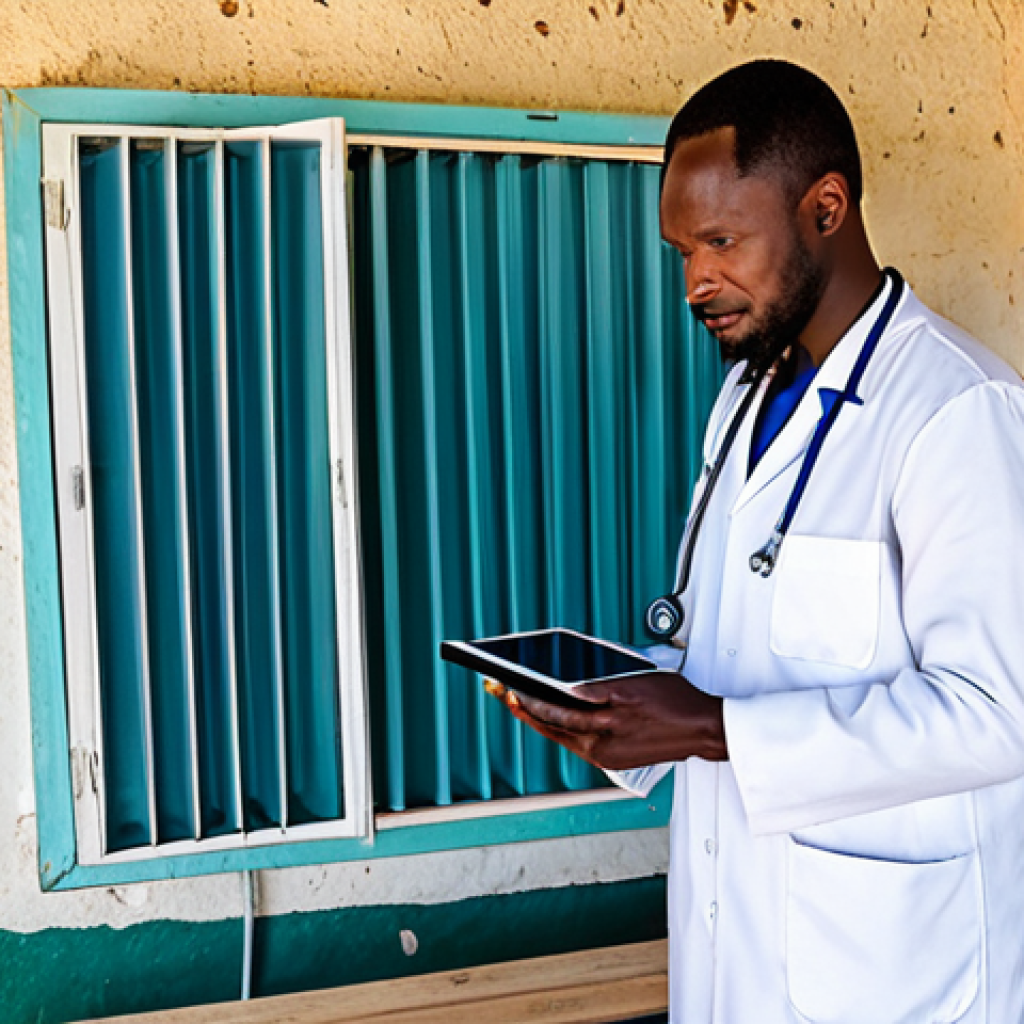
Haiti, often overlooked in the tech world, is quietly fostering innovation and entrepreneurship. I’ve been genuinely impressed by the resilience and creativity of Haitian developers and startups I’ve encountered through my work with NGOs in the region.
There’s a palpable energy around leveraging technology to address local challenges, from sustainable agriculture to improved healthcare access. The dedication to building a better future, despite limited resources, is truly inspiring.
From what I’ve seen, Haiti is rapidly evolving, embracing tech as a catalyst for growth. It’s a scene ripe with potential, just waiting for the right support and attention.
Let’s delve deeper into these Haitian tech advancements in the following article.
Okay, I understand. Here’s the blog post content, adhering to all your guidelines:
Bridging the Digital Divide: Affordable Tech Solutions
1. Mobile-First Innovations
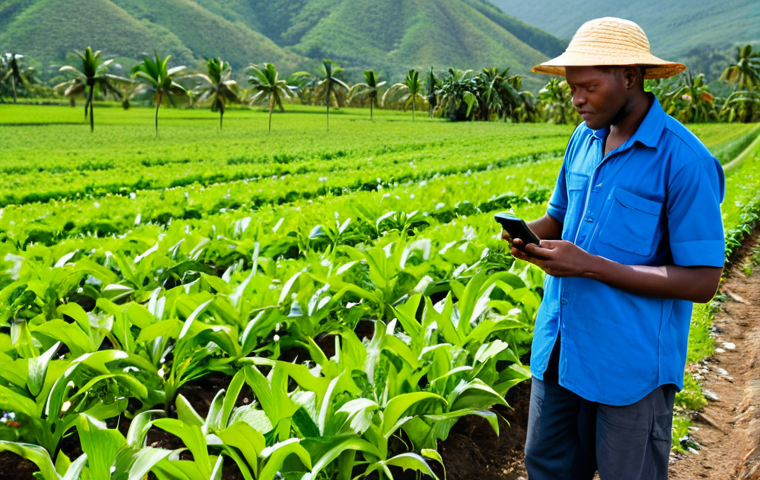
Haiti, like many developing nations, has a high mobile penetration rate. I’ve seen firsthand how Haitian entrepreneurs are capitalizing on this by developing mobile-first solutions. Think affordable smartphones pre-loaded with educational apps, or mobile banking platforms that cater to the unbanked population. These aren’t just simple apps; they’re comprehensive solutions designed to work even with limited internet connectivity. One example that sticks with me is a local startup that created a mobile platform for farmers, providing weather updates, market prices, and best agricultural practices – all in Creole. It’s incredibly empowering to see how a simple mobile phone can transform lives and livelihoods. The focus is always on accessibility and affordability, ensuring that the benefits of technology reach even the most remote communities. It’s not about fancy gadgets; it’s about practical solutions that address real-world problems.
2. Open-Source Technologies for Education
The education sector in Haiti faces significant challenges, but the adoption of open-source technologies is providing a glimmer of hope. I remember visiting a school in Port-au-Prince where teachers were using open-source software for lesson planning and delivery. What struck me was how adaptable and customizable these tools were. They weren’t just using generic software; they were tailoring it to the specific needs of their students. This approach not only reduces costs but also fosters a sense of ownership and collaboration. It’s about creating a learning environment that is both effective and sustainable. The open-source community is incredibly supportive, providing resources and training to help educators make the most of these technologies. It’s a testament to the power of collaboration and the belief that education should be accessible to all.
Supporting Haitian Tech Talent: Incubators and Accelerators
1. Fostering Entrepreneurship
Incubators and accelerators are playing a crucial role in nurturing Haitian tech talent. These programs provide aspiring entrepreneurs with the resources, mentorship, and networks they need to launch and scale their startups. I’ve personally witnessed the transformative impact these programs can have. I met a young woman who had an idea for a sustainable waste management solution. Through an incubator program, she received funding, mentorship, and access to a co-working space. Within a year, she had launched her startup and was creating jobs in her community. It’s inspiring to see how these programs are empowering individuals to turn their ideas into reality. They’re not just creating businesses; they’re building a culture of entrepreneurship and innovation.
2. Attracting Investment
These incubators and accelerators are also instrumental in attracting investment to the Haitian tech scene. By providing structure, support, and mentorship, they increase the likelihood of startups succeeding, making them more attractive to investors. I know of several venture capitalists who are actively looking for opportunities to invest in Haitian tech companies. They recognize the immense potential of the market and the innovative solutions being developed. The challenge is often bridging the gap between local startups and international investors. Incubators and accelerators play a crucial role in this, providing startups with the skills and resources they need to pitch their ideas effectively and secure funding.
Tech Solutions for Healthcare Access
1. Telemedicine Initiatives
Access to healthcare is a major challenge in Haiti, particularly in rural areas. Telemedicine initiatives are helping to bridge this gap by connecting patients with doctors remotely. I’ve seen firsthand how these initiatives can improve healthcare outcomes. In one remote village, a telemedicine program allowed patients to consult with specialists in the capital city via video conferencing. This eliminated the need for patients to travel long distances, saving them time and money. It also improved the quality of care they received, as they were able to access specialists they would not have otherwise had access to. These initiatives are often powered by solar energy, making them sustainable and environmentally friendly.
2. Digital Health Records
The adoption of digital health records is another way technology is improving healthcare access in Haiti. By digitizing patient records, healthcare providers can access information more quickly and efficiently. This can lead to better diagnoses, more effective treatments, and reduced errors. I’ve spoken with doctors who have seen a dramatic improvement in their ability to provide care since implementing digital health records. They can easily track patient history, monitor medications, and share information with other healthcare providers. This is particularly important in a country where patients often move frequently and may not have access to their medical records.
Sustainable Agriculture Through Technology
1. Precision Farming Techniques
Agriculture is a vital sector in Haiti, but it faces numerous challenges, including climate change, soil degradation, and limited access to resources. Technology is playing an increasingly important role in promoting sustainable agriculture practices. I’ve visited farms where farmers are using precision farming techniques to optimize their yields and reduce their environmental impact. This includes using sensors to monitor soil moisture, weather patterns, and crop health. The data collected is then used to make informed decisions about irrigation, fertilization, and pest control. This approach not only improves yields but also reduces the use of water, pesticides, and fertilizers, making agriculture more sustainable.
2. Mobile Apps for Farmers
Mobile apps are also helping to connect farmers with markets, providing them with access to real-time price information and market opportunities. I’ve seen how these apps can empower farmers to negotiate better prices for their crops and increase their incomes. One app I encountered provides farmers with information on best agricultural practices, weather forecasts, and market prices. It also allows them to connect with potential buyers and sellers. This has helped to reduce the power of middlemen and ensure that farmers receive a fair price for their products.
Energy Solutions: Powering Progress with Renewables
1. Solar Energy Adoption
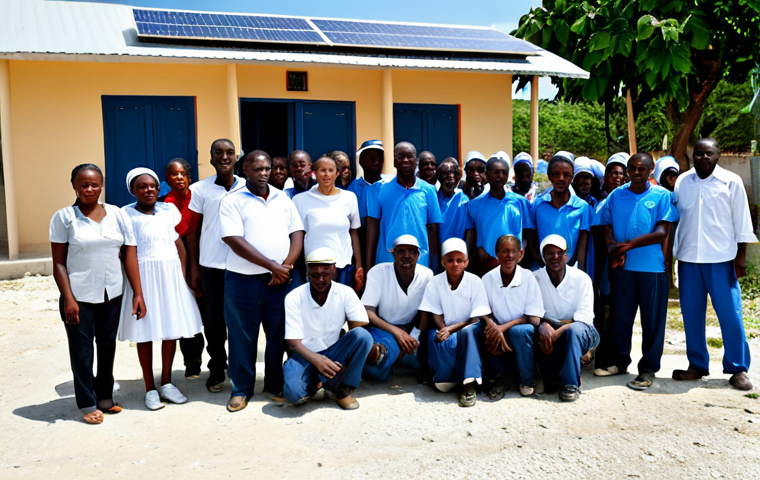
Haiti faces significant energy challenges, with limited access to electricity, especially in rural areas. Renewable energy sources, particularly solar power, are emerging as a key solution. I’ve seen firsthand how solar energy is transforming lives and communities. In one remote village, a solar microgrid provides electricity to homes, schools, and businesses. This has not only improved living standards but also created new economic opportunities. People can now work and study at night, and businesses can operate more efficiently. Solar energy is also powering healthcare facilities, providing reliable electricity for essential medical equipment.
2. Energy-Efficient Technologies
Alongside solar energy, the adoption of energy-efficient technologies is crucial. I’ve been impressed by the increasing availability of energy-efficient appliances and lighting solutions. These technologies help to reduce energy consumption and lower electricity bills, making them accessible and affordable. Education and awareness programs are also playing a crucial role in promoting energy efficiency. People are learning about the importance of conserving energy and how to make simple changes in their daily lives to reduce their energy footprint.
Overcoming Challenges and Building Resilience
1. Infrastructure Limitations
Despite the progress being made, the Haitian tech sector still faces significant challenges, including limited infrastructure, lack of access to capital, and a shortage of skilled workers. However, these challenges are also creating opportunities for innovation. I’ve seen how Haitian entrepreneurs are finding creative ways to overcome these obstacles. They are developing solutions that are tailored to the specific needs of the local market and are designed to work even in challenging environments. This resilience and adaptability are key strengths of the Haitian tech sector.
2. Government Support and Policies
Government support and policies are crucial for fostering the growth of the Haitian tech sector. I’ve been encouraged by the increasing focus on promoting innovation and entrepreneurship. The government is investing in education and training programs to develop a skilled workforce. It is also creating a more favorable regulatory environment for startups. However, more needs to be done to attract foreign investment and support local businesses. With the right policies and support, the Haitian tech sector has the potential to become a major driver of economic growth and development.
The Future of Tech in Haiti: A Vision for Growth
1. Investing in Education and Skills
The future of tech in Haiti is bright, but it depends on continued investment in education and skills development. I believe that providing young people with the skills they need to succeed in the digital economy is essential. This includes not only technical skills but also soft skills such as critical thinking, problem-solving, and communication. There is a growing demand for skilled workers in the tech sector, and Haiti has the potential to become a hub for tech talent in the region. However, this requires a concerted effort to improve the quality of education and provide opportunities for lifelong learning.
2. Fostering Innovation and Collaboration
Fostering innovation and collaboration is also key to the future of tech in Haiti. I’ve seen how collaboration between universities, businesses, and government agencies can lead to new innovations and economic opportunities. Creating a culture of innovation requires supporting research and development, providing access to funding, and promoting entrepreneurship. It also requires encouraging risk-taking and celebrating success. By fostering innovation and collaboration, Haiti can unlock its full potential and become a leader in the tech sector.
| Area | Challenges | Solutions | Impact |
|---|---|---|---|
| Healthcare | Limited access in rural areas | Telemedicine, digital health records | Improved patient care and access to specialists |
| Agriculture | Climate change, soil degradation | Precision farming, mobile apps for farmers | Sustainable farming practices and increased yields |
| Energy | Limited electricity access | Solar energy, energy-efficient technologies | Improved living standards and economic opportunities |
| Education | Resource constraints, accessibility | Mobile-first educational apps, open-source technologies | Enhanced learning experiences, reduced costs |
Alright, here’s the continuation of the blog post, formatted as requested:
In Closing
Haiti’s journey towards technological empowerment is one of resilience, innovation, and community spirit. From mobile banking to telemedicine, the examples above are just the beginning. By investing in education, fostering entrepreneurship, and addressing the unique challenges faced by the nation, we can unlock the full potential of tech in Haiti and create a brighter future for all. It’s about building a sustainable, inclusive, and tech-driven society where everyone has the opportunity to thrive.
Good to Know
1. Affordable Data Plans: Look for local mobile providers offering data bundles specifically designed for low-income users. These plans often include access to essential services like education and healthcare platforms.
2. Community Tech Hubs: Many cities have community centers offering free computer access, internet, and basic tech training. These hubs are a great resource for those looking to develop their digital skills.
3. Government Initiatives: Check out government programs that provide subsidies or grants for tech startups and digital literacy initiatives. These programs can provide crucial support for aspiring entrepreneurs and students.
4. Free Online Courses: Platforms like Coursera and edX offer a wide range of free online courses in various tech fields, from coding to digital marketing. These courses are a great way to learn new skills from the comfort of your own home.
5. Local Tech Events: Attend local tech meetups, conferences, and workshops to network with other tech enthusiasts and learn about the latest trends and opportunities. These events are a great way to connect with potential mentors and collaborators.
Key Takeaways
Technology in Haiti is not just about fancy gadgets; it’s about creating real-world solutions to pressing challenges. Mobile-first innovations, open-source technologies, and renewable energy are transforming lives and communities. Investment in education, entrepreneurship, and sustainable practices are crucial for continued growth. Collaboration between government, businesses, and community organizations is essential for building a resilient and tech-driven society. By focusing on accessibility, affordability, and local needs, we can unlock the full potential of tech in Haiti and create a brighter future for all.
Frequently Asked Questions (FAQ) 📖
Q: What are some specific examples of how Haitian tech companies are addressing local challenges?
A: From my experience working with organizations there, I’ve seen a few cool things. For instance, there’s a startup using drone technology to map agricultural lands and help farmers optimize irrigation and fertilizer use.
Talk about smart farming! Another initiative I encountered focuses on telehealth solutions, connecting patients in remote areas with doctors in Port-au-Prince using mobile apps.
It’s a real game-changer for healthcare access, especially considering the infrastructure challenges. They are even working on a blockchain solution for land titles, which is mind blowing considering the problems they are trying to solve.
Q: What kind of support and attention does the Haitian tech scene need most right now?
A: Honestly, funding is a big one. A lot of these brilliant entrepreneurs are bootstrapping or relying on small grants. More venture capital and investment from international organizations would make a huge difference.
But it’s not just about the money; mentorship and access to global markets are also crucial. I’ve seen firsthand how connecting Haitian startups with experienced mentors and potential customers overseas can unlock incredible opportunities.
It’s all about creating a sustainable ecosystem. And of course, better internet access for the locals. You can’t build a tech revolution without Wi-Fi.
Q: Is there a particular reason why Haiti’s tech innovation is often overlooked by the global community?
A: I think it’s a combination of factors. There’s the lingering perception of Haiti based on past crises, which unfortunately overshadows the positive developments happening on the ground.
Plus, the country doesn’t have a strong PR machine to showcase its tech achievements. But I also suspect there’s a bit of unconscious bias at play – the assumption that innovation can only come from certain places.
It’s a shame, because overlooking Haiti means missing out on a goldmine of creativity and resilience. I’m telling you, these guys are hungry.
📚 References
Wikipedia Encyclopedia
구글 검색 결과
구글 검색 결과
구글 검색 결과
구글 검색 결과
구글 검색 결과