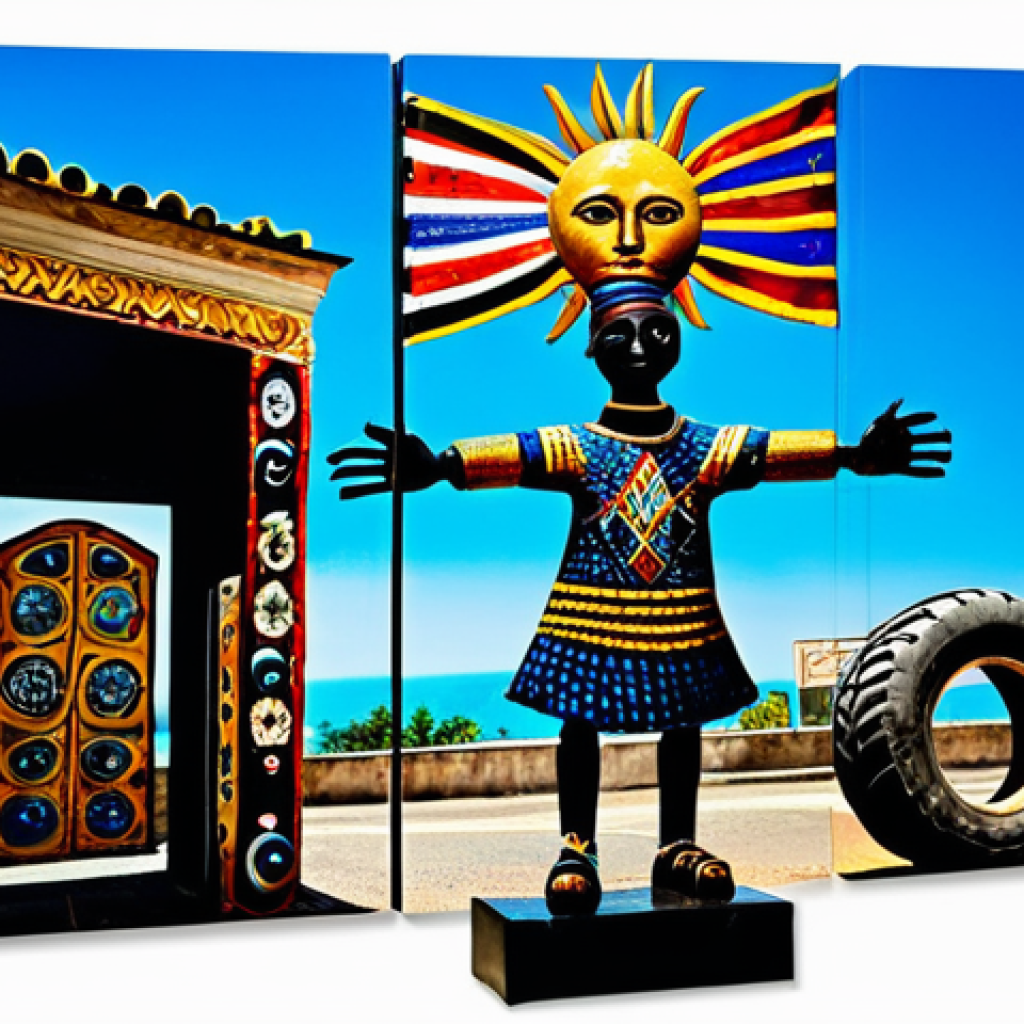
Alright, fellow adventurers, let’s talk about a place that’s consistently at the top of my ‘misunderstood but magnificent’ list: Port-au-Prince. I know what you might be thinking – the news often paints a complex picture, and yes, it’s a city with its challenges, but that’s precisely why it offers such an intensely authentic and rewarding experience for those willing to look beyond the headlines.
Having explored its bustling markets, vibrant art studios, and savored its unique flavors, I can tell you firsthand that Haiti’s capital is a raw, beautiful tapestry of resilience, culture, and unforgettable stories just waiting to be discovered.
It’s a city where every corner holds a piece of history and a burst of life that truly captivates the soul. For the intrepid traveler seeking genuine cultural immersion and a destination that genuinely challenges perspectives, Port-au-Prince offers an unparalleled journey.
Let’s peel back the layers and uncover the true heart of this incredible city, shall we?
The Pulse of Haitian Art: A Feast for the Senses
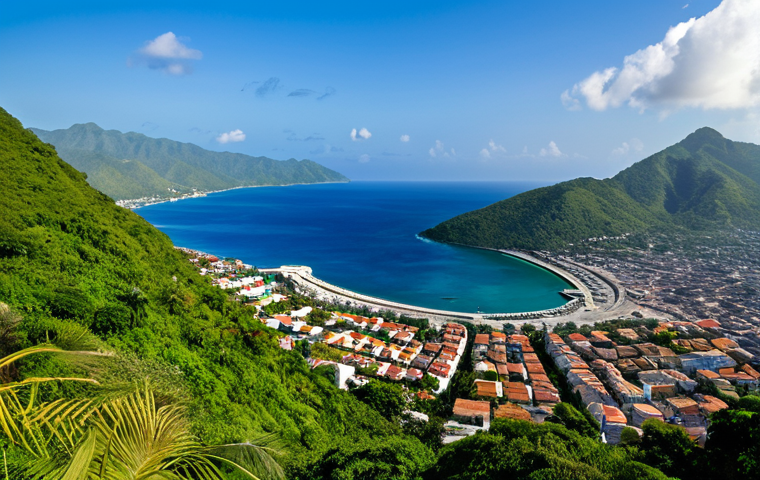
Stepping into the art scene of Port-au-Prince is like having every one of your senses ignited at once. I remember my first visit to the Grand Rue area, specifically the Atis Rezistans museum and gallery, tucked away in the heart of a truly vibrant, bustling neighborhood. It’s not your typical pristine white-walled gallery; instead, it’s a living, breathing testament to Haitian creativity, born from found objects and incredible ingenuity. The energy there is palpable, with sculptures crafted from discarded tires, car parts, and various recyclables, transforming what others might see as junk into powerful, thought-provoking masterpieces. The sheer resourcefulness and the raw emotional power emanating from these works truly blew me away. It’s a place where art isn’t just displayed; it’s a defiant roar, a celebration of resilience, and a deep connection to Vodou traditions and history. I spent hours just wandering, absorbing, and chatting with the artists themselves, learning about their stories and the inspiration behind their incredible creations. You’ll leave feeling both inspired and profoundly moved, I promise you.
Exploring Local Art Markets and Galleries
Beyond the avant-garde brilliance of Atis Rezistans, the city is dotted with more traditional galleries and vibrant street markets that are an absolute must-see for anyone interested in collecting a piece of Haiti’s soul. The Marché de Fer (Iron Market) is legendary, not just for its produce and everyday goods, but for the incredible array of folk art, intricate ironwork, and vibrant paintings you can find there. Bargaining is part of the experience, and it’s a delightful dance of negotiation that connects you directly with the sellers. I’ve picked up some stunning hand-painted tapestries and beautifully carved wooden pieces that still adorn my home and spark conversations. Just a short walk away, you’ll often stumble upon smaller, independent galleries showcasing contemporary Haitian painters, each telling a unique story through vivid colors and expressive strokes. Don’t be shy; step inside, chat with the gallery owners, and let the art speak to you. It’s an immersive experience that really drives home the fact that art isn’t just a commodity here; it’s a fundamental part of the culture, flowing through the very veins of the city.
The Sacred and Profane: Vodou Art’s Influence
It’s impossible to talk about Haitian art without acknowledging the profound and undeniable influence of Vodou. This isn’t the Hollywood version, mind you, but a complex, deeply spiritual belief system that permeates much of the country’s artistic expression. You’ll see it in the elaborate sequined flags (drapo Vodou) that are simply breathtaking in their detail and symbolism, each one a work of art used in ceremonies. These flags often depict various lwa (spirits) and are crafted with an intensity and devotion that transcends mere decoration. I recall seeing one depicting Ezili Dantò, a protective mother figure, adorned with thousands of tiny, shimmering sequins, and I felt a chill run down my spine – not of fear, but of profound respect for the artistry and the faith woven into every stitch. Understanding this connection adds so many layers to appreciating the art; it transforms it from just a beautiful object into a powerful cultural artifact. When you’re browsing, look for pieces that speak to these spiritual traditions; they offer a unique window into the Haitian psyche and a connection to something truly ancient and profound. It’s an education as much as it is an art hunt.
Savoring the Soul: Unforgettable Flavors of Port-au-Prince
If you’re anything like me, travel means eating your way through a new destination, and Port-au-Prince absolutely delivers on the culinary front. The food here is an explosion of flavors—a beautiful blend of African, French, and local influences, with a kick that will wake up your taste buds! Forget fancy Michelin stars; the true magic lies in the bustling street food stalls and humble, family-run restaurants. My absolute go-to, without fail, is griyo (fried pork) served with diri ak pwa (rice and beans) and pikliz (a spicy pickled cabbage relish). The griyo is crispy on the outside, tender on the inside, and seasoned to perfection. The pikliz, my friends, is a game-changer—it adds that much-needed tangy, spicy crunch that elevates the entire dish. I still dream about a plate I had from a small vendor near the university; the lady had been making it for decades, and you could taste the love and tradition in every bite. Don’t be afraid to try everything; be adventurous! Every bite tells a story of the island’s history and its vibrant people. Just follow your nose, and you’re sure to find something incredible.
Street Food Delights and Hidden Eateries
One of the purest joys of exploring Port-au-Prince is diving headfirst into its street food scene. It’s a sensory overload in the best possible way—the sizzle of frying plantains, the aroma of spices wafting through the air, the cheerful chatter of vendors. Beyond the legendary griyo, you absolutely must try accra (fried malanga fritters), which are crunchy, savory, and perfect for a quick snack. And let’s not forget the fresh fruit juices! Mango, passion fruit, soursop – they’re all incredibly refreshing, especially on a warm day. I remember stumbling upon a tiny hole-in-the-wall place that served the most incredible soup joumou (squash soup), a dish with deep historical significance for Haitians, traditionally eaten on New Year’s Day. It was rich, hearty, and full of flavor, tasting like a warm hug. These aren’t the places you’ll find in glossy guidebooks; they’re the real gems discovered by walking, observing, and being open to local recommendations. Don’t be shy to ask locals for their favorite spots; you’ll often be rewarded with an unforgettable meal and a glimpse into authentic Haitian life.
Sweet Treats and Tropical Sips
After all that savory goodness, you’ll definitely want to indulge in some Haitian sweet treats. I’m a massive fan of pain patate (sweet potato bread), which is more like a dense, spiced cake, often flavored with ginger, cinnamon, and vanilla. It’s heavenly with a cup of strong Haitian coffee. Coconut lovers are in for a treat with various coconut-based candies and desserts, often sold by street vendors in small, colorful packages. And of course, the fresh tropical fruits are abundant and incredibly flavorful. Forget the bland versions you get back home; these are bursting with natural sweetness. As for drinks, beyond the fresh juices, try Prestige, Haiti’s national beer—it’s crisp, light, and perfect for washing down a spicy meal. Or, for something stronger, a shot of Barbancourt rum, Haiti’s world-renowned spirit, is an experience in itself. I’ve spent many evenings enjoying a Prestige, listening to the sounds of the city, and just soaking in the atmosphere. It’s these simple moments that truly make a trip memorable, connecting you to the rhythm of the place.
Whispers of History: Echoes in the City’s Core
Port-au-Prince is a city steeped in a history that’s both triumphant and, at times, heartbreakingly complex. It’s the beating heart of the first free Black republic, a nation born from the only successful slave revolt in history, and you can feel that powerful legacy interwoven into the very fabric of its streets. While many of the grand old structures were tragically damaged in the 2010 earthquake, the spirit of history endures, and new chapters are constantly being written. When I walk through downtown, I always make an effort to visualize the grandeur that once was, and appreciate the resilience that rebuilt what could be. The stories of heroes like Toussaint Louverture and Jean-Jacques Dessalines aren’t just in history books here; they’re in the pride of the people, the names of streets, and the very air you breathe. It’s a powerful reminder of what humanity can overcome, and it makes every historical site, no matter how humble, feel incredibly significant.
Revisiting the National Palace and Cathedral
Even in their damaged state, the ruins of the National Palace and the Cathédrale de Port-au-Prince stand as poignant symbols of Haiti’s past and its ongoing journey. It’s impossible not to feel a sense of gravitas when you view these structures, which once represented the pinnacle of national pride and spiritual devotion. I recall standing before the skeletal remains of the cathedral, imagining the vibrant ceremonies that once took place within its walls, and feeling a deep respect for the resilience that has seen the community continue to worship and rebuild around it. While you can’t enter many of these damaged historical buildings for safety reasons, their presence alone tells a powerful story of endurance. Nearby, you’ll find other significant landmarks and monuments, some carefully restored, others still bearing the scars of past events. Taking a moment to reflect on what these sites represent—the struggle for independence, the pursuit of faith, the impact of natural disaster—adds an immense depth to your visit. It’s a raw, unfiltered history lesson you won’t soon forget.
Exploring the Musée du Panthéon National Haïtien (MUPANAH)
For a more structured deep dive into Haiti’s rich history, the Musée du Panthéon National Haïtien, or MUPANAH, is an absolute must-visit. This museum is a treasure trove of artifacts, documents, and exhibitions that chronicle Haiti’s journey from indigenous Taino culture through the colonial period, the revolution, and up to the present day. I found the sections on the Haitian Revolution particularly compelling, offering detailed accounts of the key figures and battles that led to independence. They even have the anchor from Christopher Columbus’s Santa Maria! It’s a powerful experience to see these tangible links to such pivotal moments in world history. The museum is well-maintained and provides excellent English descriptions, making it very accessible. It really helps to contextualize everything else you’ll see and experience in the city. I’ve spent hours wandering its halls, absorbing the narratives of courage, struggle, and eventual triumph. It’s an essential stop for anyone wanting to truly understand the soul of Port-au-Prince and the Haitian people.
Beyond the Guidebook: Engaging with Local Life
To truly experience Port-au-Prince, you’ve got to step off the beaten path and immerse yourself in the daily rhythm of local life. Forget the sterile tourist traps; the real magic happens in the vibrant interactions with the Haitian people, who are, in my experience, some of the most resilient, resourceful, and welcoming individuals you’ll ever meet. I’ve always found that a genuine smile and an attempt at a few Kreyòl phrases (even if clumsy!) go a long way in breaking down barriers. It’s in the lively conversations with market vendors, the impromptu dance parties that erupt on street corners, and the simple act of sharing a meal with new acquaintances that you truly connect with the heart of the city. I vividly recall a morning spent just observing the chaos and beauty of a local tap-tap (public shared taxi) station, watching the intricate dance of people, goods, and vehicles. It’s a symphony of organized disarray, and just sitting back and taking it all in is an experience in itself. This isn’t a city that sugarcoats itself; it’s raw, authentic, and utterly captivating for those willing to embrace it.
Market Mornings and Community Gatherings
My absolute favorite way to plug into local life is by spending a morning at one of the bustling open-air markets. Beyond the famous Marché de Fer, there are numerous neighborhood markets where locals do their daily shopping. These are sensory overload in the best possible way—the vibrant colors of fresh produce, the cacophony of vendors calling out their wares, the enticing aromas of street food, and the constant hum of conversation. I love just wandering through, picking up fresh mangoes or small bundles of fragrant herbs, and simply observing the daily flow. It’s an incredible insight into how people live, what they eat, and how they interact. Don’t be surprised if friendly vendors strike up a conversation; embrace it! These interactions are where you learn the most, hear stories, and maybe even pick up a new Kreyòl word or two. I’ve had some of my most genuine and heartwarming travel moments simply by being present in these spaces, feeling the pulse of the community.
The Rhythm of the City: Music and Street Scenes
Port-au-Prince has a rhythm all its own, and music is its undeniable heartbeat. Whether it’s the constant thump of kompa music emanating from a passing tap-tap, the soulful sounds of a local rara band practicing for a festival, or the gospel hymns spilling from a church on a Sunday morning, music is everywhere. It’s impossible not to feel its infectious energy. I’ve found myself tapping my foot, swaying my hips, and even breaking into an impromptu dance more times than I can count. Take the time to just sit at a roadside cafe, sip a cold drink, and simply observe the street scenes unfolding around you. You’ll see children playing soccer with makeshift balls, artisans meticulously crafting their wares, and lively debates happening over domino games. These aren’t staged performances; this is real life, raw and unfiltered. It’s in these unscripted moments that the true character and indomitable spirit of Port-au-Prince truly shine through, leaving an indelible mark on your memory.
Navigating the Labyrinth: Practical Tips for the Savvy Explorer
Alright, let’s get down to brass tacks because while Port-au-Prince is incredibly rewarding, it’s also a city that requires a bit of savvy and preparation. This isn’t a place where you just wander aimlessly without a plan, but with a little foresight, you’ll navigate it like a pro. From my own experiences, I’ve learned that having a clear idea of your destinations, understanding local transport, and being mindful of your surroundings makes all the difference. It’s about being street-smart, not fearful. I always advise getting a local SIM card as soon as you arrive; having data for maps and communication is invaluable. Digicel is usually my go-to. Another personal tip: always carry small denominations of Haitian gourdes (HTG). Larger bills can be hard to break, especially with street vendors or tap-tap drivers. And remember, a friendly demeanor and a willingness to ask for help (politely, of course!) can open many doors. Don’t be shy about asking locals for directions or advice; they’re generally very helpful.
Getting Around Safely and Smartly
Transportation in Port-au-Prince is an adventure in itself! The iconic tap-taps (colorful shared taxis) are a quintessential Haitian experience, and I highly recommend trying them for short, local journeys. They’re incredibly cheap and a fantastic way to feel the pulse of the city, but you need to know your route or go with someone who does. For longer distances or if you prefer more comfort, traditional taxis are readily available. Always negotiate the fare *before* you get in. I’ve had some fantastic conversations with taxi drivers who’ve become impromptu tour guides, sharing insights I wouldn’t have found anywhere else. Ride-sharing apps like Uber don’t really operate here in the same way, so relying on local taxi services or pre-arranged transport through your hotel or a trusted local contact is key. And while walking is great for exploring specific neighborhoods, especially during the day, I personally wouldn’t recommend extensive walking between distant areas, especially after dark. Prioritize safety and comfort, and don’t hesitate to invest a little more for reliable transport.
Essential Safety Guidelines for Travelers
Now, let’s talk about safety, because it’s paramount to enjoying your trip. While the news can sometimes paint a bleak picture, with common-sense precautions, you can have a very safe and enriching experience. My top rule is always to be aware of your surroundings, especially in crowded areas like markets. Keep valuables out of sight, and try not to flash expensive electronics. I always carry my phone securely in a front pocket or a cross-body bag. Avoid walking alone at night, and if you must go out, use a pre-arranged or trusted taxi. It’s also a good idea to research current events before you travel and consult your embassy’s travel advisories. Trust your gut feeling—if a situation feels off, it probably is. I’ve found that being respectful, friendly, and mindful of local customs goes a long way. This isn’t a place to be overly flashy or draw unnecessary attention to yourself. Blending in a little, observing how locals navigate their day, and learning from their example is the best approach. It’s about smart travel, not fear.
| Category | Recommendation | My Personal Takeaway |
|---|---|---|
| Currency & Payments | Carry Haitian Gourdes (HTG), small denominations. ATMs available in main areas but can be unreliable. Few places accept credit cards outside major hotels. | Always have cash. I once got stuck trying to pay for street food with a large bill – awkward! Small bills are king. |
| Communication | Get a local SIM card (Digicel or Natcom). Ensure your phone is unlocked. Wi-Fi available in most hotels and some cafes. | Having data for maps and translating Kreyòl phrases on the fly saved me countless times. Essential! |
| Health & Hygiene | Drink bottled water only. Carry hand sanitizer. Consult your doctor about necessary vaccinations before traveling. | My stomach has thanked me for sticking strictly to bottled water. Don’t risk it! |
| Local Phrases | Learn basic Kreyòl: “Bonjour” (hello), “Mèsi” (thank you), “Silvouplè” (please). | Even a few words show respect and often lead to warmer interactions. Locals appreciate the effort! |
Unveiling Hidden Gems: My Secret Spots and Local Haunts
You know how much I love finding those truly authentic, off-the-guidebook experiences, and Port-au-Prince is brimming with them if you just know where to look. These aren’t necessarily grand monuments, but rather the smaller, more intimate places that offer a genuine slice of Haitian life. For me, these are the spots where the city truly reveals its soul, where you can feel that unique blend of history, culture, and everyday resilience. It’s about slowing down, observing, and being open to serendipitous encounters. I remember one afternoon, just wandering down a side street, I stumbled upon a small, unassuming courtyard where a group of elderly men were playing dominoes, their laughter echoing through the air. They waved me over, offered me a plastic chair, and though my Kreyòl was limited, we shared smiles and gestures. It was a fleeting moment, but it’s one of the fondest memories I have of the city, perfectly encapsulating the warmth and openness of the Haitian people. These are the moments you truly travel for.
The Serenity of Boutilliers Overlook
For a breathtaking panoramic view of Port-au-Prince and its expansive bay, you absolutely must make the short trip up to Boutilliers. It’s a bit of a drive up into the mountains surrounding the city, but the reward is immense. I’ve gone there multiple times, and each time, the sheer scale of the city spread out below, with the Caribbean Sea shimmering in the distance, leaves me speechless. It’s a perfect spot to take a moment, breathe, and appreciate the vastness and complexity of this incredible place. There are usually a few local vendors selling crafts, cold drinks, and often, some delicious fried plantains or fritters. It’s a great photo opportunity, of course, but more than that, it’s a moment of reflection, a chance to see the city from a different perspective, literally and figuratively. I always make sure to grab a fresh coconut water from one of the stalls while I’m up there; it just makes the view even sweeter.
Cultural Exchange at FOKAL
Another truly special place, especially for those interested in Haitian culture and intellectual life, is FOKAL (Fondation Connaissance et Liberté). It’s more than just a library or cultural center; it’s a vibrant hub for learning, discussion, and artistic expression. They often host film screenings, art exhibitions, concerts, and literary events. I’ve attended a few talks there and found them incredibly insightful, offering deep dives into Haitian history, literature, and social issues. The atmosphere is always welcoming, and it’s a fantastic place to connect with local artists, intellectuals, and students. It offers a quieter, more reflective side of Port-au-Prince, a space where ideas flourish and cultural dialogue thrives. If you’re looking to engage with the thoughtful, creative side of the city beyond the bustling streets, FOKAL is an invaluable resource. It’s a testament to the resilience of knowledge and art in the face of adversity, and I always feel inspired after a visit.
The Rhythmic Heartbeat: Music and Celebration
You simply cannot talk about Port-au-Prince without talking about its music. It’s the very soul of the city, a vibrant, pulsating energy that you feel in every corner, every alleyway, every bustling market. From the moment you step out, you’re enveloped by a symphony of sounds – the infectious beat of kompa, the soulful strains of Haitian jazz, the percussive power of rara. Music isn’t just entertainment here; it’s a form of expression, a cultural glue, and a constant reminder of the resilience and joy that defines the Haitian spirit. I remember one evening, walking through a neighborhood where a block party had spontaneously erupted. Speakers were blasting kompa, people were dancing in the street, children were laughing, and the air was thick with the aroma of grilled food. I couldn’t help but join in, even with my two left feet. It was pure, unadulterated joy, a moment where strangers became friends through the universal language of rhythm. This is the Port-au-Prince that truly captures your heart and makes you want to dance.
Kompa Nights and Live Music Venues
If you want to experience the true nightlife of Port-au-Prince, you’ve got to find a place that’s playing kompa. This distinctive Haitian musical genre, with its infectious beat and smooth melodies, is guaranteed to get you moving. While the city’s nightlife can be dynamic and sometimes shift, there are always spots, often in Pétion-Ville, where you can find live bands playing late into the night. Ask locals for recommendations on current hot spots; they’ll know where the best music is happening. I’ve spent countless hours dancing the night away, surrounded by friendly faces, truly feeling the vibrant energy that radiates from the music. It’s an immersive experience, a chance to let loose and connect with the local culture on a deeply personal level. The energy is electric, and the sense of community is palpable. Even if you’re not a dancer, just sitting back and watching the mastery of the musicians and the joyful abandon of the dancers is a show in itself. Don’t miss out on this vibrant aspect of the city’s character.
Festival Flavors and Street Parades
Timing your visit with one of Haiti’s many festivals is like unlocking a whole new dimension of Port-au-Prince. The most famous, of course, is Carnival, a riot of color, music, and extravagant costumes that takes over the streets in the days leading up to Ash Wednesday. It’s an explosion of cultural expression, a truly unforgettable spectacle that draws crowds from all over. But beyond Carnival, there are numerous other cultural and religious celebrations throughout the year, often featuring vibrant street parades, traditional rara bands, and incredible food. I was lucky enough to be there during a local saint’s day celebration once, and the streets were alive with marching bands, people in beautiful traditional attire, and the joyous sounds of drumming and singing. These events are not just entertainment; they are deeply rooted in Haitian identity and offer profound insights into the country’s spiritual and artistic heritage. If you have the chance to experience one, jump at it! It’s an unparalleled way to see the city truly come alive and witness the collective spirit of its people.
Wrapping Up Our Journey
As our vibrant journey through Port-au-Prince draws to a close, I can’t help but feel a profound sense of connection to this incredible city. It’s a place that truly gets under your skin, challenging your perceptions and leaving an indelible mark on your soul. From the raw, defiant power of its art to the intoxicating rhythm of its music, and the warmth of its people who greet you with open hearts, Port-au-Prince is an experience unlike any other. It isn’t always easy, and it certainly isn’t polished, but its authenticity is its greatest charm. I remember my very first visit, feeling a mix of apprehension and excitement, and leaving with a heart full of stories, flavors, and melodies. It’s a city of immense resilience, creative spirit, and historical weight, a place that embodies the very essence of human endurance and celebration. Don’t let anything deter you from discovering its magic for yourself; embrace the adventure, open your mind, and let Port-au-Prince reveal its captivating layers.
Good to Know Before You Go
1. Language is Key: While French is understood, Haitian Kreyòl is the heart language. Learning a few basic phrases like “Bonjou” (hello), “Mèsi” (thank you), and “Silvouplè” (please) goes a long, long way in showing respect and fostering genuine connections. Locals truly appreciate the effort!
2. Cash is King, Small Bills are Emperor: Haitian Gourdes (HTG) are the primary currency. Always carry small denominations, especially for street vendors, tap-taps, and local shops. Larger bills can be a hassle to break, and many smaller establishments don’t accept cards.
3. Prioritize Personal Safety: Be aware of your surroundings, especially in crowded areas like markets. Avoid walking alone at night and use trusted taxis or pre-arranged transportation. Keep valuables out of sight, and always trust your gut feeling. Research current travel advisories before your trip.
4. Hydrate Smartly & Eat Adventurously: Stick to bottled water to avoid any stomach upsets. Don’t shy away from the incredible street food, but choose vendors with high turnover and visible hygiene. Your taste buds will thank you for trying griyo, pikliz, and fresh tropical juices!
5. Stay Connected: An unlocked phone and a local SIM card (Digicel or Natcom) are invaluable. Having data for navigation, translation, and communication with local contacts will significantly enhance your travel experience and peace of mind.
Key Takeaways for Your Trip
Venturing into Port-au-Prince is an immersive journey that promises to be both challenging and deeply rewarding. My biggest takeaway, from every single visit, is the sheer, unyielding spirit of the Haitian people. Their resilience, creativity, and profound sense of community are truly inspiring. You won’t find a cookie-cutter tourist experience here; instead, you’ll uncover a raw, authentic engagement with a culture that has shaped global history. Be prepared to step outside your comfort zone, to embrace the unexpected, and to interact genuinely with locals – that’s where the real magic happens. This isn’t just about seeing sights; it’s about feeling the pulse of a city, understanding its layered past, and celebrating its vibrant present. Come with an open heart, a curious mind, and a readiness to be moved, and Port-au-Prince will undoubtedly leave you with memories and insights that will last a lifetime.
Frequently Asked Questions (FAQ) 📖
Q: Is Port-au-Prince truly safe for tourists, given its complex reputation often portrayed in the media?
A: This is, hands down, the question I get asked most often when I tell people about my adventures in Haiti, and it’s completely understandable why. The news headlines can be pretty intense, painting a vivid, often challenging picture, and it’s easy to form a certain impression without ever actually stepping foot on the ground.
But let me tell you, from someone who’s spent time soaking in the city’s vibrant rhythm, experiencing its bustling streets and quiet corners, it’s not as black and white as it often seems.
Like any major urban center anywhere in the world – be it Paris, Rio, or even certain parts of New York – Port-au-Prince has its challenges, its areas of concern, and absolutely requires a level of awareness and street smarts.
It’s not a place where you’d wander aimlessly with your phone out at night, but then again, I wouldn’t do that in many places I’ve visited around the globe.
However, focusing solely on those challenges means you risk missing out on an extraordinary, deeply human experience. My approach, which I’d recommend to anyone venturing to Port-au-Prince, is always to prioritize local insights and connections.
When I first visited, I spent a good deal of time connecting with locals – a fantastic artist I met in Jacmel who pointed me to his friends in the capital, a kind taxi driver whose family has been in Pétion-Ville for generations, and even the amazing host of the guesthouse I stayed at near the Observatoire.
They were invaluable, not just for practical advice on getting around, but for truly understanding the city’s heartbeat and its unwritten rules. I always travel with a trusted local guide or driver when exploring less familiar terrain.
This isn’t just about navigating safely; it’s about enriching your experience tenfold. They open doors to places and interactions you’d never find on your own – from the hidden art studios tucked away in gingerbread houses to the most delicious griot stand that only the locals truly know about, the one with the perfect pikliz that makes your taste buds sing!
What I’ve consistently found is that Haitians are incredibly welcoming, warm, and resilient people. They are fiercely proud of their culture and, when approached with respect and genuine curiosity, are often eager to share it.
Of course, common sense is your best travel companion: avoid walking alone at night in unfamiliar areas, keep valuables out of sight, and be aware of your surroundings.
Just like you would in any bustling, vibrant city. I remember one evening, trying to find a specific street art mural that had been recommended to me in a busy neighborhood.
I was a bit lost, looking at my phone, and a woman selling fruit from a large basin on her head just smiled, gently took my arm, and pointed me in the right direction, even walking a few steps with me to make sure I got my bearings.
It’s those small, authentic human connections that truly define Port-au-Prince for me. It’s a city that asks you to be present, to engage, and to trust your gut, but it rewards you with an unfiltered look at life, a depth of history, and a level of cultural immersion that most cookie-cutter tourist destinations simply can’t offer.
So, while it demands a bit more intentional planning and awareness than some places, the profound stories you’ll gather and the perspectives you’ll gain are immeasurably worth it.
Don’t let fear dictate your adventure; let informed curiosity lead the way to an unforgettable journey.
Q: Beyond the headlines, what are some truly unique experiences or must-see attractions in Port-au-Prince that I won’t find anywhere else?
A: Okay, now we’re talking about the good stuff! Once you get past the initial concerns and embrace the spirit of adventure, Port-au-Prince absolutely sings with unique experiences that will stick with you long after you’ve left.
This isn’t a city of pristine, resort-style beaches or perfectly manicured tourist traps; it’s a place where culture bursts forth from every street corner, and history whispers from every crumbling colonial wall.
It’s raw, it’s real, and it’s profoundly captivating. First off, you absolutely must dive into the art scene. Forget sterile, hushed galleries; here, art is life, and it’s electrifyingly vibrant and deeply meaningful.
The Marché de Fer, or Iron Market, isn’t just a place to buy goods; it’s an architectural marvel in itself, an ornate structure imported from France, and a sensory overload in the best possible way.
Picture a bustling, colorful labyrinth where you can find everything from intricate Vodou flags (each a masterpiece of symbolism and embroidery) and stunning metalwork (like the famous fer découpé art made from recycled oil drums – I still have a piece I haggled for that reminds me of my trip every single day!) to fresh produce and local crafts.
It’s loud, fragrant, and utterly captivating. Beyond the market, explore the private galleries and hidden artist studios. I was fortunate enough to visit a small, unassuming studio tucked away in a quiet residential area of Pacot, introduced by my local friend.
The artist, a soft-spoken woman named Marie, created the most incredible mixed-media pieces, blending traditional Haitian motifs with contemporary commentary.
Chatting with her, seeing her process, and feeling the sheer passion in her work was an unforgettable privilege. You simply don’t get that kind of direct, intimate interaction with art and its creators in many other places in the world; it’s truly a one-of-a-kind connection.
Then, there’s the music and dance. Oh, the music! Whether it’s the soulful rhythm spilling out of a local lakou (community courtyard), the vibrant, pulsating sounds of a Rara band during carnival season (a truly communal experience where everyone becomes part of the procession!), or the smooth, infectious beats of konpa, music is the undeniable soul of Haiti.
Seek out a local konpa night if you can – the energy is infectious, and watching couples glide across the floor with such effortless grace is mesmerizing.
Even just walking down the street, the sounds of Kompa, Zouk, and traditional Vodou drumming are omnipresent, weaving themselves into the very fabric of daily life and providing a constant, exhilarating soundtrack to your explorations.
And let’s not forget the food! Haitian cuisine is a delicious fusion of African, French, Spanish, and indigenous Taino influences, and it’s robust, flavorful, and incredibly satisfying.
You have to try griot (marinated, fried pork) served with pikliz (a spicy, tangy pickled cabbage slaw that adds the perfect kick) and bannann peze (double-fried plantains).
It’s my absolute favorite Haitian dish! I still dream about a small, unassuming roadside eatery near my guesthouse where I had the most incredible griot plate – the pork was perfectly crispy on the outside and tender on the inside, the pikliz had just the right amount of heat, and the plantains were sweet and perfectly tender.
Wash it down with a local Prestige beer or a refreshing jus de corossol (soursop juice). It’s not just about eating; it’s about savoring the flavors that tell a story of the island’s rich heritage and resilience.
These aren’t just “things to do”; they’re deeply immersive experiences that connect you directly to the vibrant heart and resilient soul of Port-au-Prince.
You’ll leave not just with souvenirs, but with stories, flavors, and rhythms etched into your very being.
Q: How should an independent traveler best navigate Port-au-Prince, especially regarding transportation and essential cultural etiquette?
A: Alright, let’s get practical! Navigating Port-au-Prince as an independent traveler might seem a bit daunting at first glance, but with a few pointers, a good dose of awareness, and a healthy adventurous spirit, you’ll be zipping around like a local in no time.
It’s all part of the immersive experience, believe me, and learning the ropes is part of the fun! Transportation: My number one piece of advice here, especially for first-timers or when exploring new areas, is to hire a trusted local driver or guide for at least your initial explorations.
This isn’t just about getting from point A to point B efficiently; it’s about prioritizing your safety, streamlining your travel, and, crucially, tapping into invaluable local knowledge.
They can help you avoid traffic hotspots (which can be intense!), show you the best routes, and even translate if you’re struggling with Kreyòl. I always arranged my rides through my guesthouse or with a recommended driver – it truly smoothed out the logistics and allowed me to relax and soak in the scenery without constantly worrying about directions.
For shorter distances or if you’re feeling more adventurous and perhaps have a local friend with you, tap-taps (those wonderfully colorful, elaborately decorated pickup trucks or minibuses that function as shared taxis) are an iconic Haitian experience.
They’re super affordable and offer a true, unfiltered slice of local life, but understanding their routes can be a bit tricky initially as they don’t have fixed stops like a traditional bus.
You simply flag them down, tell the conducteur (fare collector) where you’re going, and hop in! Then there are moto-taxis (motorcycle taxis), which are quicker for weaving through traffic and a real adrenaline rush, but they definitely require a bit more caution regarding safety – always negotiate the fare before you get on and hold on tight!
For comfort and directness, standard taxis are also available, often found near hotels or major thoroughfares, but again, always agree on the price upfront to avoid any misunderstandings.
Haiti doesn’t really have widely adopted ride-sharing apps like Uber in the way you might be used to, so it’s more about direct negotiation and local recommendations.
The local currency is the Haitian Gourde (HTG), and while US dollars are sometimes accepted in more tourist-oriented spots or for larger purchases, having Gourdes for smaller transactions, local food stalls, and especially for tap-taps and moto-taxis is absolutely essential.
I found it easiest to get Gourdes from ATMs in more established neighborhoods like Pétion-Ville. Cultural Etiquette: This is where you really shine as a respectful and engaged traveler.
Haitians are generally quite warm, polite, and have a deep sense of community. A few key phrases in Kreyòl (Haitian Creole) will go an incredibly long way: “Bonjour” (good day), “Bonswa” (good evening), “Mèsi” (thank you), and “Souple” (please) are excellent starters.
Even just attempting a few words shows immense respect and often elicits a warm smile and genuine appreciation. Remember, French is also an official language, but Kreyòl is the vibrant, everyday language of the people.
Respect for local customs is paramount. If you’re visiting a bustling market, a bit of friendly haggling is expected and part of the fun, but always be respectful and keep a good humor about it.
When taking photos, especially of people, always ask for permission first. A simple gesture or “Èske ou kapab pran yon foto?” (Can I take a photo?) goes a long way and shows you value their dignity.
Dress modestly, particularly if you’re visiting religious sites or more conservative areas – think respectful casual attire rather than beachwear. And remember to always greet people when entering a shop, addressing someone, or beginning an interaction.
A simple “Bonjour, Madam” or “Bonjour, Monsieur” can make all the difference in setting a positive tone. Haitians value personal relationships, even brief ones, so a friendly demeanor and an open heart will make your journey much more enjoyable, authentic, and memorable.
You’ll find that when you engage with an open heart, Port-au-Prince opens its heart right back to you, offering experiences that truly transcend the ordinary.
📚 References
Wikipedia Encyclopedia
구글 검색 결과
구글 검색 결과
구글 검색 결과
구글 검색 결과
구글 검색 결과