Ever felt a pull towards the mystical, drawn by whispers of ancient traditions yet wary of sensationalized stories? That’s often the journey when we hear about Haitian Vodou.
It’s a spiritual path so incredibly rich and deeply woven into the very fabric of Haitian culture, yet it’s been so profoundly misunderstood and unfairly painted in popular media.
From its vibrant ceremonies steeped in ancestral wisdom to its profound focus on community and healing, Vodou is far more than the caricatures we often encounter.
It’s a living, breathing worldview, a powerful force of resilience and connection that has guided generations. Join me as we journey beyond the myths and truly uncover the heart of this extraordinary practice.
Let’s peel back the layers and discover the genuine essence of Haitian Vodou.
Shattering the Shadows: Unveiling Vodou’s Authentic Spirit
You know, for the longest time, the word ‘Vodou’ conjured up all sorts of sensationalized images in my mind – Hollywood horror flicks, dark rituals, and those infamous dolls. It’s a stereotype that has, unfortunately, stuck like glue, doing a massive disservice to a spiritual tradition that is profoundly rich, vibrant, and, dare I say, beautiful. Having delved into its depths, I’ve come to realize that the narratives we’ve been fed are often rooted in misunderstanding, fear, and a colonial gaze that sought to demonize anything outside its comprehension. Vodou isn’t about evil; it’s a holistic worldview that encompasses everything from healing to justice, a way of life that provides comfort, guidance, and a deep sense of belonging to millions. It’s a spiritual resilience forged in the crucible of slavery, a testament to the enduring human spirit that refused to be broken. When you strip away the sensationalism, what you find is a profoundly logical, community-oriented faith, centered on honoring ancestors, connecting with nature, and seeking balance in life. It’s a fascinating journey of discovery, and trust me, the reality is far more compelling than any fiction.
Beyond the Hollywood Hype: Reclaiming the Narrative
I remember feeling a similar surprise when I first started learning about Vodou – it was like peeling back layers of misconception. What struck me most was how utterly alien the pop culture portrayal was from the actual practice. There’s no devil worship, no random curses, and certainly no reanimated zombies in the way movies depict. Instead, you find a complex system of beliefs, an ethical framework, and a deep reverence for life. It’s about building relationships with the divine, seeking wisdom, and striving for personal and communal well-being. This journey of understanding challenges us to question where our information comes from and to embrace the richness of diverse spiritual paths. It’s a powerful reminder that truth is often far more nuanced and deeply human than the simplistic stories we’re often told.
Resilience in Faith: A Legacy of the Enslaved
Imagine being stripped of your identity, your language, your very humanity, and then being forced to adopt the religion of your oppressors. That’s the historical context in which Vodou truly solidified its unique form in Haiti. It wasn’t just a religion; it was a lifeline, a secret language, and a powerful act of resistance. The enslaved Africans brought their diverse spiritual traditions from various West African nations – Fon, Yoruba, Kongo, and others – and blended them with elements of Catholicism, creating something entirely new and incredibly resilient. This syncretism wasn’t an abandonment of their ancestral ways but a strategic adaptation, a way to keep their spiritual heritage alive under the watchful, often brutal, eyes of their enslavers. It provided solace, strength, and a collective identity that fueled the Haitian Revolution, making it not just a spiritual practice but a symbol of freedom itself. That enduring spirit, born from unimaginable suffering, continues to beat at the heart of Vodou today.
Whispers of the Ancestors: The Foundations of Vodou Spirituality
At its core, Vodou is deeply rooted in ancestor veneration and a profound understanding of the interconnectedness of the spiritual and physical worlds. It’s not just about believing in spirits; it’s about actively engaging with them, acknowledging their presence, and seeking their guidance. For a Vodouisant, the veil between worlds is thin, and our ancestors, the ‘Lwa’ (spirits), and even the natural world are all integral parts of a vast, living tapestry. I often think about how much we, in our modern, often disconnected lives, could learn from this reverence for lineage and the wisdom of those who came before us. It’s a spiritual path that reminds you that you are part of something much larger than yourself, a continuous chain extending back through generations. This deep respect for ancestors isn’t about worshipping the dead in a morbid sense, but about honoring their contributions, seeking their wisdom, and recognizing that their spiritual essence can still influence and protect the living. It’s a comforting thought, really, knowing that you’re never truly alone, and that the experiences and strengths of your lineage are always there to draw upon.
Honoring the Departed: A Living Connection
In Vodou, death isn’t an end; it’s a transition. The ancestors, known as the ‘Gede’ (though this term is more broadly associated with a specific family of Lwa related to death and fertility), remain a vital part of the community. Ceremonies often involve offerings and prayers to honor them, keeping their memories alive and maintaining that crucial link between the living and the dead. It’s a beautiful practice, really, recognizing that the love and wisdom of those who have passed continue to guide us. I’ve heard stories of people seeking advice from their ancestors in dreams or through specific rituals, and the sense of peace and clarity they gain from these connections is truly remarkable. It’s about remembering, celebrating, and continuing a spiritual dialogue that transcends physical boundaries, reinforcing the idea that family bonds are eternal and profound.
Bondye and the Lwa: A Divine Hierarchy
When we talk about the divine in Vodou, it’s essential to understand that there’s a singular, transcendent creator, ‘Bondye’ (from the French ‘Bon Dieu,’ or Good God). Bondye is too vast and incomprehensible for direct human interaction, so Vodouisants communicate with the divine through a pantheon of spirits known as the Lwa. These Lwa are often compared to Catholic saints, but they are far more complex and embody specific aspects of human experience and natural forces. They are like a divine family, each with their own personality, preferences, and domains. Trust me, learning about the Lwa is like discovering a whole new cast of characters, each with their own captivating stories and lessons to offer. It’s a rich spiritual landscape that truly reflects the diverse energies of the world around us.
The Sacred Dance: Rhythms, Rituals, and Community
Stepping into a Vodou ceremony is an experience that truly transcends words. It’s a symphony of sound, movement, and spiritual energy that I’ve found utterly captivating. The drumming, which is often the heartbeat of the ceremony, isn’t just music; it’s a language, a call to the Lwa, a rhythm that guides participants into altered states of consciousness. The chants, the dancing, the vibrant colors of the altars – it all culminates in a deeply immersive and transformative experience. It’s a far cry from the secretive, sinister images often portrayed; instead, it’s a communal celebration, a collective act of devotion and connection. These ceremonies are vital for building and maintaining relationships with the Lwa, seeking guidance, healing, and fostering a strong sense of community among practitioners. It’s in these moments that the true spirit of Vodou truly shines through, demonstrating its power to unite, uplift, and heal. I’ve witnessed firsthand the sheer joy and palpable energy that fills the space, and it’s an energy that stays with you long after the drums fall silent.
Ceremonial Spaces: Hounfò and Peristyle
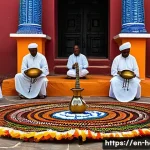
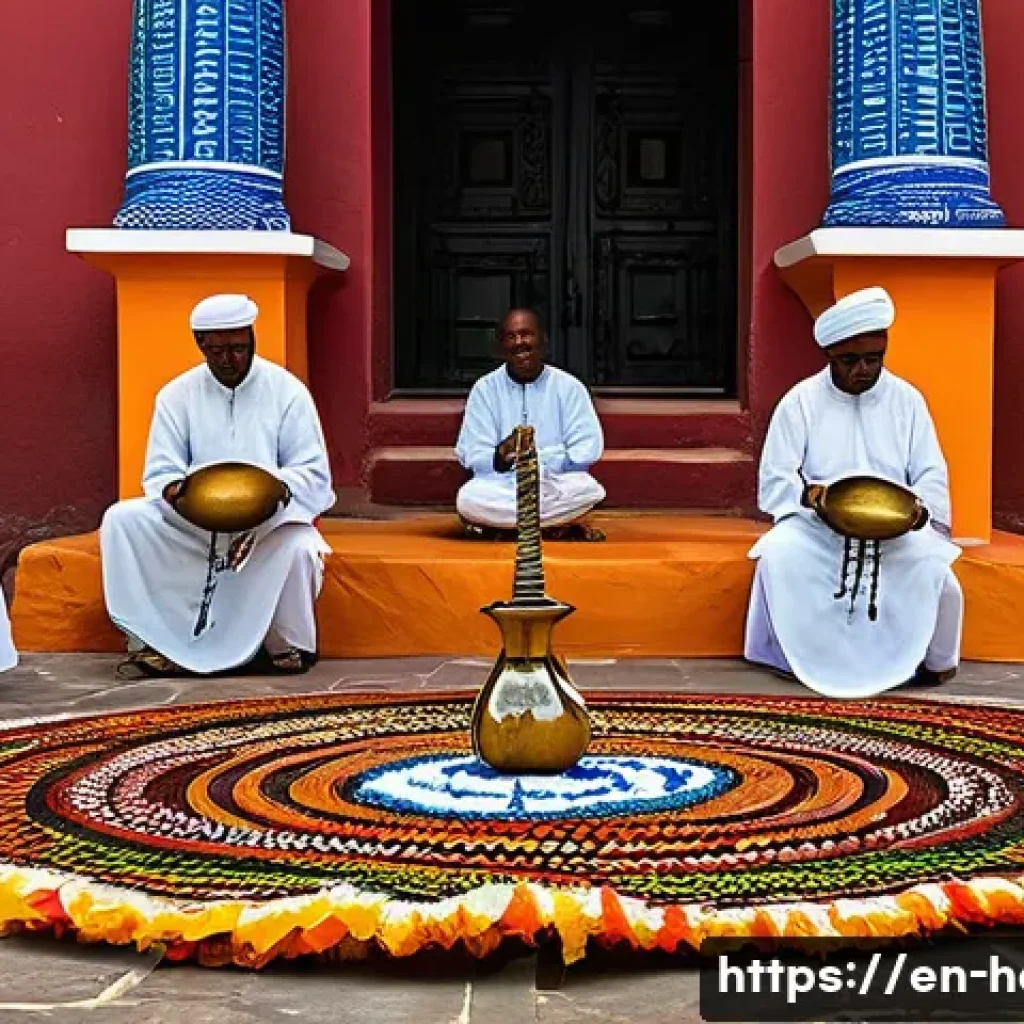
The heart of Vodou rituals often takes place in a ‘hounfò,’ the temple, particularly in the ‘peristyle,’ a central open-sided structure within the hounfò. This isn’t just a building; it’s a sacred space meticulously prepared and imbued with spiritual significance. Inside, you’ll find altars dedicated to various Lwa, adorned with their specific colors, offerings, and symbols, known as ‘vévé.’ Each element is carefully chosen and placed, creating an atmosphere charged with spiritual energy. The peristyle becomes a meeting point between the human and divine, a place where the community gathers to communicate with the Lwa and seek their blessings. It’s a place of immense respect and spiritual focus, where every detail contributes to the overall power of the ritual.
Offerings and Devotion: A Language of Respect
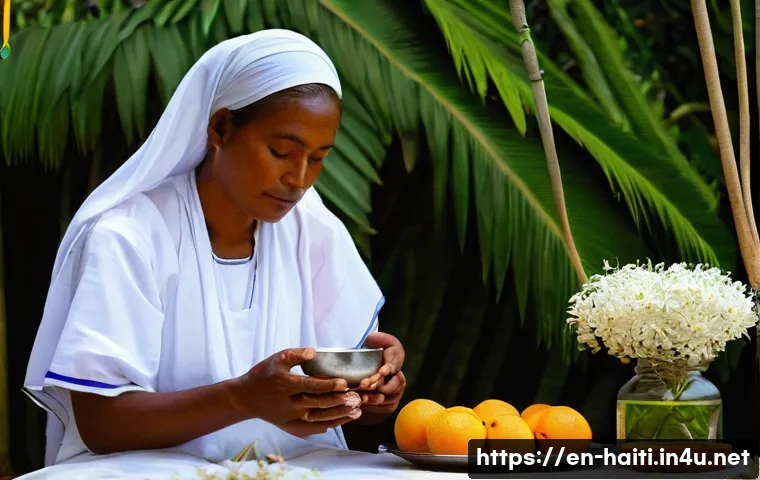
A crucial part of engaging with the Lwa involves making offerings. These aren’t bribes, as some might mistakenly believe, but rather gestures of respect, gratitude, and devotion. The type of offering – whether it’s specific foods, drinks, perfumes, or even colors – is carefully chosen to correspond with the preferences of the particular Lwa being honored. It’s a deeply personal and meaningful exchange, a way for practitioners to show their commitment and build a stronger connection with the spirits that guide them. I’ve seen the care and intention that goes into preparing these offerings, and it’s clear that it comes from a place of genuine love and reverence. It’s a beautiful demonstration of how Vodou fosters an active, reciprocal relationship with the spiritual world.
The Guiding Hands: Vodou’s Role in Healing and Well-being
One aspect of Vodou that I believe is profoundly overlooked is its significant role in healing and fostering overall well-being within the community. When you think about spiritual practices, often the first things that come to mind are prayer or meditation, but Vodou takes a much more holistic approach, integrating physical, emotional, and spiritual healing into its core. In a society where access to conventional healthcare can be challenging, Vodou priests and priestesses, known as ‘Houngan’ (men) and ‘Mambo’ (women), often serve as vital spiritual leaders, counselors, and healers. They’re not just performing rituals; they’re deeply attuned to the needs of their community members, offering guidance, mediating disputes, and providing remedies rooted in both spiritual wisdom and traditional herbal knowledge. I’ve heard incredible stories of people finding immense comfort and solutions to complex problems through the guidance of a respected Houngan or Mambo. It’s a system built on trust, community support, and a deep understanding of human suffering, offering a comprehensive form of care that addresses the whole person.
Houngan and Mambo: Spiritual Pillars of the Community
The Houngan and Mambo are truly the backbone of the Vodou community. They undergo rigorous training, dedicating years to studying the traditions, rituals, and the intricate knowledge of the Lwa. They are not merely performers of rituals but spiritual guides, keepers of wisdom, and pillars of moral authority. People turn to them for everything from advice on personal struggles to help with illnesses or difficult life decisions. Their role extends far beyond the ceremonial space, often acting as counselors, herbalists, and community leaders, demonstrating the profound social function of Vodou in daily life. It’s a testament to their deep commitment and spiritual insight that they can navigate such a wide array of human experiences and offer meaningful support.
Healing Beyond the Physical: Mind, Body, and Spirit
Vodou’s approach to healing recognizes that ailments aren’t always just physical; they can be spiritual or emotional in origin. A Houngan or Mambo might diagnose a spiritual imbalance or address ancestral issues that are impacting a person’s health. Healing rituals can involve herbal remedies, baths, special prayers, or ceremonies aimed at re-establishing harmony with the Lwa or ancestors. It’s a powerful reminder that true well-being encompasses more than just the absence of physical illness; it’s about a holistic balance across all aspects of one’s being. I think there’s so much to appreciate in this integrated approach, especially in a world that often separates the mind from the body when it comes to health.
Vodou’s Symbolic Language: Art, Altars, and the VéVé
One of the most visually stunning aspects of Vodou is its rich artistic expression and the profound symbolism embedded within every element of its practice. From the vibrant altars that serve as focal points for spiritual connection to the intricate ‘vévé’ drawn on the ground, Vodou speaks a language of symbols that is both ancient and deeply personal. It’s an art form that isn’t just for aesthetic pleasure; it’s functional, serving as a direct conduit to the Lwa and a visual representation of spiritual concepts. I’ve always been drawn to how these symbols can convey so much meaning without uttering a single word, speaking directly to the soul. This rich visual culture provides a tangible way for practitioners to engage with the divine, creating sacred spaces that are alive with meaning and purpose. It’s a powerful testament to human creativity and the deep spiritual impulse to express the ineffable.
The Altar: A Sacred Portal
Step into a Vodou temple or even a home, and you’ll likely encounter an altar. These aren’t just decorative shelves; they are carefully constructed spiritual portals, dedicated to specific Lwa or families of Lwa. Each item on the altar – candles, statues, bottles of rum, fresh fruit, particular cloths, or images of Catholic saints – is chosen for its symbolic significance and its connection to the spirits being honored. They serve as a visible manifestation of devotion, a place where offerings are made and where the spiritual and physical worlds can converge. It’s a space that hums with energy, reflecting the deep respect and connection practitioners have with their divine guides.
VéVé: Drawing the Divine Into Being
The ‘vévé’ are perhaps one of the most recognizable and mesmerizing aspects of Vodou art. These intricate symbolic drawings are meticulously created on the ground, often with flour or cornmeal, before a ceremony. Each vévé is unique to a particular Lwa, acting as a spiritual beacon, inviting that spirit to manifest and participate in the ritual. The precision and artistry involved in drawing a vévé are incredible, and it’s a moment of profound focus and devotion. Once drawn, the vévé serves as a sacred blueprint, a physical representation of the spiritual energy being invoked. It’s a powerful example of how art and ritual are inextricably linked in Vodou, transforming a simple drawing into a potent spiritual tool.
Here’s a quick overview to help clarify some common misunderstandings:
| Common Misconception | Vodou’s Reality |
|---|---|
| Devil worship and evil magic | Vodou believes in a benevolent creator (Bondye) and a pantheon of spirits (Lwa). Its practices are focused on healing, community well-being, and connecting with the divine. |
| Voodoo dolls for curses | “Voodoo dolls” are largely a Hollywood invention. Effigies in Vodou are used for healing, protection, or honoring spirits, not for malevolent curses. |
| Zombies and black magic | The concept of a “zombie” in Vodou relates to a person under the control of another through spiritual or medicinal means, often associated with justice or punishment, not the reanimated dead of fiction. Black magic, while present in some folk traditions, is not representative of mainstream Vodou. |
| Superstition and ignorance | Vodou is a complex, sophisticated spiritual system with a rich philosophical framework, deep historical roots, and a profound understanding of psychology and community dynamics. |
| Closed and secretive cult | Vodou is an open religion practiced by millions in Haiti and the diaspora. While certain rituals may be private, the faith itself is not secretive or exclusive. |
Vodou in the Modern Age: Adapting, Enduring, and Inspiring
It’s truly inspiring to witness how Vodou, despite centuries of persecution and misunderstanding, continues to adapt and thrive in the modern world. Far from being a relic of the past, it’s a living, evolving tradition that addresses contemporary challenges while holding onto its fundamental principles. You see its influence everywhere in Haitian culture, from music and art to everyday language and social structures. But beyond Haiti, as the diaspora spreads, Vodou is finding new expressions and gaining recognition as a legitimate spiritual path in places like the United States, Canada, and various parts of Europe. This global reach highlights its enduring power and its ability to resonate with people seeking spiritual connection, community, and a deeper understanding of the world around them. It’s a testament to the resilience of the human spirit and the universal need for meaning and belonging. I truly believe that as more people seek authentic spiritual paths, Vodou will continue to shed its prejudiced image and reveal its true essence as a profound and life-affirming tradition.
Global Presence: Vodou Beyond Haitian Shores
The Haitian diaspora has played a crucial role in bringing Vodou to new parts of the world. As Haitians have emigrated, they’ve carried their spiritual traditions with them, establishing hounfòs and communities of practitioners in new lands. This global expansion has led to fascinating adaptations, where Vodou continues to honor its roots while integrating into diverse cultural landscapes. It’s a testament to the flexibility and enduring relevance of the faith, showing how it can provide a spiritual home and a sense of connection even far from its traditional homeland. Observing this growth, I can’t help but feel a sense of optimism that more people will have the opportunity to experience Vodou’s true depth, unmarred by the sensationalism that has historically plagued it.
Cultural Renaissance: Art, Music, and Identity
Beyond its spiritual aspects, Vodou remains a powerful wellspring of Haitian artistic and cultural expression. Contemporary Haitian artists, musicians, and writers often draw heavily from Vodou iconography, narratives, and philosophical concepts, creating powerful works that celebrate their heritage and challenge prevailing stereotypes. This cultural renaissance is vital not only for preserving the tradition but also for educating the world about its richness and complexity. From vibrant paintings to soul-stirstirring music, Vodou continues to inspire creativity and serve as a profound marker of Haitian identity and resilience. It’s a beautiful cycle, where the spiritual feeds the artistic, and the artistic, in turn, helps to illuminate the spiritual for a wider audience.
My Personal Reflections: A Journey Beyond Misconception
Embarking on this journey to understand Haitian Vodou has been nothing short of transformative for me. Before diving in, I, like many, held onto snippets of misinformation, half-truths, and dramatic fictional portrayals. It’s a humbling experience to realize how deeply ingrained certain prejudices can be, even when you consider yourself open-minded. But as I started learning, reading, and truly listening to the voices of practitioners and scholars, those initial misconceptions began to crumble, replaced by a profound respect and admiration for a spiritual tradition so rich in history, resilience, and communal love. What truly resonated with me was the deep sense of connection—connection to ancestors, to nature, and to a vibrant community. It’s a reminder that authenticity in faith, in any faith, is about relationships, purpose, and a living tradition that truly uplifts and guides its followers. I’ve come to see Vodou not as something exotic or fearful, but as a deeply human response to the universe, offering wisdom, comfort, and a powerful sense of identity to millions. It’s a journey I genuinely encourage everyone to take, to look beyond the surface and discover the genuine heart of this extraordinary practice for themselves. You might just find, as I did, that the truth is far more fascinating and enriching than any fiction.
Challenging My Own Preconceptions
Honestly, confronting my own preconceived notions about Vodou was a powerful experience. It forced me to examine the sources of my information and question the narratives I had passively accepted. This process wasn’t just about learning about Vodou; it was about self-reflection, about understanding how media and historical biases can shape our worldview. It taught me the importance of seeking out diverse perspectives and engaging with topics that initially might make me uncomfortable. The richness and complexity of Vodou served as a perfect catalyst for this introspection, revealing just how much beauty and profound wisdom lies hidden beneath layers of popular caricature.
The Human Element: Stories of Faith and Resilience
What truly brought Vodou to life for me weren’t just the facts or the rituals, but the stories of the people who practice it. Hearing personal accounts of how Vodou has provided strength during hardship, offered healing in times of illness, or simply given a sense of belonging in a world that often alienates, was incredibly impactful. These human stories underscore that Vodou isn’t an abstract concept; it’s a living, breathing faith that shapes lives, nurtures communities, and provides a powerful framework for navigating the complexities of existence. It’s these real-life experiences that make the true essence of Vodou so utterly compelling and deeply resonant.
글을 마치며
So, as we draw this exploration of Vodou to a close, I hope you’ve felt a similar shift in perspective to mine. It’s been an incredible journey, peeling back the layers of sensationalism to find a spiritual tradition that is profoundly meaningful, resilient, and deeply human. My aim was to share a more authentic glimpse into Vodou, one that celebrates its rich heritage and the unwavering spirit of its practitioners. Remember, understanding diverse cultures enriches our own world, and Vodou is a prime example of a faith that truly deserves our respect and genuine curiosity.
알아두면 쓸모 있는 정보
1. Always approach Vodou with an open mind and respect for its practitioners. Stereotypes are just that – stereotypes, often rooted in historical biases.
2. For deeper understanding, seek out academic texts and ethnographies from reputable sources rather than popular media depictions. Scholars like Maya Deren and Patrick Bellegarde-Smith offer invaluable insights.
3. Vodou is not confined to Haiti; it thrives in diaspora communities across North America, South America, and Europe, adapting while maintaining its core essence.
4. It plays a significant role in Haitian art, music, and national identity, serving as a powerful cultural force and a symbol of resistance.
5. At its heart, Vodou emphasizes community, healing, and a profound connection to ancestors and the natural world, offering solace and guidance to millions.
중요 사항 정리
Ultimately, my hope is that this post has helped to illuminate the true spirit of Vodou: a living, breathing faith of profound resilience, community, and spiritual depth. It stands as a testament to human endurance, offering a powerful framework for life that, once understood, reveals immense beauty and wisdom. Let’s continue to challenge misconceptions and embrace the richness of diverse spiritual traditions around the globe.
Frequently Asked Questions (FAQ) 📖
Q: Is Haitian Vodou really about “black magic,” curses, and those scary voodoo dolls we see in movies?
A: Oh, this is probably the biggest and most painful misconception out there, and it’s something I feel so strongly about debunking! For far too long, Hollywood and sensationalized stories have twisted Haitian Vodou into something sinister, full of “black magic,” curses, and creepy dolls with pins stuck in them.
I’ve heard so many people whisper about it with fear in their eyes, and it breaks my heart because that’s just not what authentic Vodou is about. From what I’ve learned and seen, genuine Haitian Vodou is a vibrant, life-affirming spiritual path, deeply rooted in community, healing, and a profound connection to nature and ancestry.
It’s a beautiful religion that blends West African traditions with elements of Roman Catholicism, born from the incredible resilience of enslaved Africans seeking freedom and solace.
When you hear about “black magic,” that’s usually a misrepresentation fueled by ignorance and old prejudices. While there are certainly practices within various magical traditions that can be used for harm, Vodou itself focuses on serving the spirits (called lwa), seeking guidance, fostering well-being, and maintaining balance in life.
Those “voodoo dolls” you see? In actual Vodou practice, they are often used as effigies to honor or attract the attention of a lwa for positive purposes, not for sticking pins in someone you dislike.
It’s truly a far cry from the terrifying caricatures that have dominated popular culture for way too long. It’s about spiritual growth and communal harmony, believe me.
Q: So, if it’s not “black magic,” what are the main beliefs and practices of Haitian Vodou? What does it look like in real life?
A: That’s an excellent question, and it really gets to the heart of what makes Vodou such a rich spiritual system! At its core, Haitian Vodou believes in a supreme, distant creator God called Bondye (which means “Good God”), who is generally seen as too vast and far removed for direct human interaction.
Instead, practitioners, known as Vodouisants, connect with a pantheon of spirits called lwa (pronounced “lo-wah”). These lwa are the intermediaries between humanity and Bondye, each with their own distinct personality, domains, and sacred rhythms.
Think of them almost like saints in Catholicism, but with deep roots in West African deities. From my understanding, Vodou is very much a lived religion, focusing on practical engagement.
Its ceremonies are truly something to behold! They’re often vibrant, community-focused events filled with rhythmic drumming, spirited singing, dancing, and prayer.
During these ceremonies, people aim to “serve the lwa” by creating a space for the spirits to interact with the human world, sometimes through spirit possession, which is seen as a way for the lwa to offer guidance, wisdom, and blessings to the community.
Offerings are also a common practice, typically consisting of foods, drinks, or items that a specific lwa is known to enjoy. It’s a powerful, sensory experience designed to build and maintain relationships with these spiritual forces for the betterment of the community.
Q: How does Haitian Vodou actually support the Haitian community and individuals, especially given its misunderstood past?
A: What an insightful question! Despite the heavy burden of misrepresentation it has carried, Vodou is incredibly central to Haitian life, serving as far more than just a religion; it’s a comprehensive worldview and a vital social structure.
I’ve learned that it provides a profound sense of identity and belonging, especially for a people whose history is marked by unimaginable struggle and oppression.
Vodou fosters strong community bonds, uniting families and villages through shared rituals and beliefs. It’s a system where people seek guidance not just for spiritual matters but for everyday challenges, health concerns, and even disputes.
In a country where formal institutions might be lacking, the local oungan (priest) or manbo (priestess) often plays a crucial role as a healer, counselor, and community leader, offering practical and spiritual support.
Historically, Vodou was a powerful force for resistance and liberation; it was instrumental in uniting enslaved people and igniting the Haitian Revolution, which led to Haiti becoming the first free Black republic.
Even today, it continues to be a source of immense resilience, helping people cope with hardships, preserve their cultural heritage, and maintain spiritual and mental well-being.
It really highlights how deeply woven this spiritual path is into the very fabric of Haitian culture, providing both a lifeline and a foundation for collective strength and identity.