Haiti, the Pearl of the Antilles, truly beckons with its vibrant culture, stunning landscapes, and a history that echoes resilience. But let’s be real, navigating any new destination, especially one as rich and unique as Haiti, can feel a little daunting without a friendly face showing you the ropes.

I’ve personally found that having a local guide isn’t just about getting from point A to point B; it’s about unlocking a deeper, more authentic journey, discovering those hidden gems only insiders know, and feeling genuinely connected to the heart of the place.
They can transform a good trip into an unforgettable adventure, ensuring your safety and helping you embrace every beautiful moment. If you’re dreaming of an incredible Haitian experience, connecting with the right local expert is truly your secret weapon.
Let’s explore exactly how to find your perfect guide and make your Haitian dream trip a reality.
Finding Your True Haitian Connection: It’s More Than Just a Tour
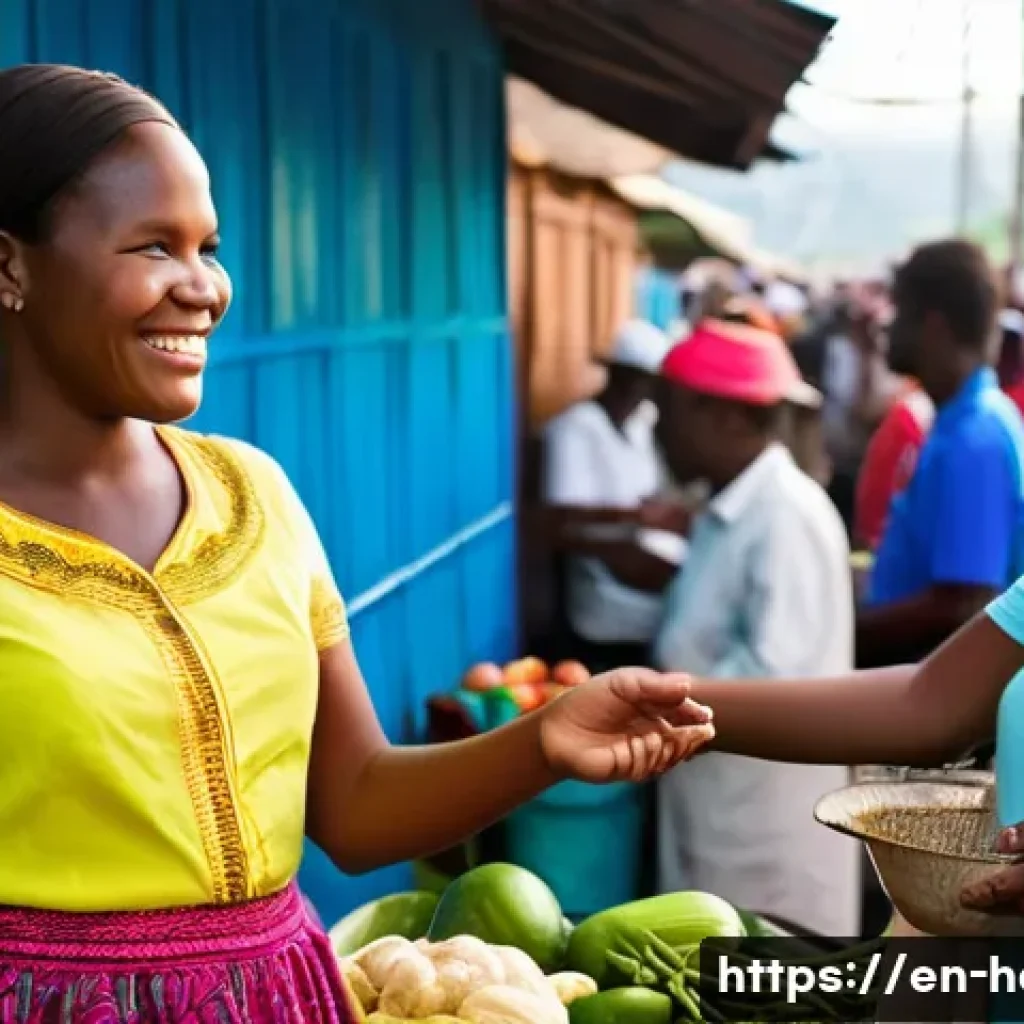
When I first ventured into Haiti, I quickly realized that while guidebooks offer a great starting point, they can never truly capture the heartbeat of a place. It’s like looking at a beautiful painting online versus standing right in front of it, feeling its texture and scale. That’s where a local guide becomes not just an asset, but an essential part of your journey. They’re not just showing you sights; they’re opening doors to conversations, traditions, and flavors you’d otherwise miss. I remember one time, my guide, a fantastic woman named Manbo, led me through a bustling market in Port-au-Prince. It wasn’t just about buying souvenirs; it was about understanding the haggling dance, tasting street food I’d never dared to try alone, and hearing stories from the vendors themselves. She didn’t just translate words; she translated culture, and that made all the difference. It transformed my trip from a series of observations into a tapestry of shared moments and genuine human connection. Your guide is your bridge, your confidant, and often, your first true friend in Haiti, making your adventure so much richer and more personal than you could ever imagine.
Beyond the Tourist Trail: Unlocking Authentic Experiences
For me, the real magic of travel happens when you step off the well-trodden path. A good local guide in Haiti excels at this, taking you beyond the postcard views to the vibrant, beating heart of the country. They know the small, family-run eateries with the best *griot* and *piklis*, the hidden art galleries tucked away in charming neighborhoods, or even where a local festival might be spontaneously erupting. I’ve been fortunate to witness small village ceremonies and enjoy impromptu dance parties, all thanks to a guide who understood my desire for something truly unique. These aren’t experiences you find listed in online itineraries; they are unearthed through local knowledge and genuine relationships. It’s about feeling less like an outsider looking in, and more like a cherished guest being welcomed into the fold, experiencing Haiti not just as a destination, but as a living, breathing culture.
Building Trust: The Foundation of a Great Partnership
Trust is everything when you’re exploring a new country, especially one as dynamic and often misunderstood as Haiti. I’ve always made it a point to establish a rapport with my guide from the very beginning. It’s not just about their qualifications or their knowledge of history; it’s about their character, their willingness to listen to your interests, and their ability to make you feel safe and comfortable. I look for someone who communicates clearly, openly, and genuinely cares about my experience. A great guide isn’t just an expert; they’re a partner in your adventure, someone who anticipates your needs, offers insightful advice, and helps you navigate any unexpected bumps with ease. This relationship isn’t just professional; it often blossoms into a wonderful friendship, enriching your travels in ways you never thought possible. They become your advocate, your interpreter of nuances, and truly, your personal guardian angel throughout your stay.
Navigating the Digital Landscape: Online Resources and Recommendations
In today’s interconnected world, finding a local guide for your Haitian adventure often begins online, and honestly, it’s a fantastic starting point. Websites and social media platforms have revolutionized how we connect with local expertise, making it easier than ever to research, compare, and even chat with potential guides before you even pack your bags. I usually start by looking at dedicated travel forums or Facebook groups focused on Haiti. You’d be amazed at the wealth of information and personal recommendations you can find there. Travelers who have just returned are often eager to share their positive experiences and the contact details of guides they loved. It’s a bit like getting a personal referral, but on a much larger scale. Just be sure to cross-reference information and look for guides with consistent positive reviews across multiple platforms. This initial digital dive helps you narrow down your choices and get a feel for who might be the best fit for your specific travel style and interests, laying a solid foundation for your incredible journey.
Specialized Tour Operators and Platforms
While general travel sites are good, I’ve found that sometimes the best guides are found through specialized tour operators that focus specifically on Haiti. These companies often work with a roster of experienced, vetted local guides who are not only knowledgeable but also deeply committed to sustainable and responsible tourism. Many of these platforms allow you to browse guide profiles, see their specialties (e.g., historical tours, cultural immersion, hiking, culinary experiences), and read detailed testimonials from past clients. I remember discovering a fantastic guide through a small, ethical tour company that emphasized supporting local communities. They connected me with a guide who had an incredible understanding of Vodou culture, which was a specific interest of mine. It felt far more curated and personal than just a generic booking. These platforms often provide a level of security and accountability that can give you extra peace of mind, knowing that someone has already done some of the vetting for you, ensuring a higher quality experience and a professional approach to your travels.
Leveraging Social Media and Online Reviews
Beyond traditional websites, social media has become an indispensable tool for finding guides and gauging their reputation. Instagram, for example, can be a treasure trove. Many Haitian guides actively share their tours and experiences, giving you a visual sense of their style and the kinds of adventures they offer. You can often see real-time interactions with clients and get a better feel for their personality. I’ve often used platforms like TripAdvisor or Google Reviews to read up on potential guides. Pay close attention to the details in the reviews: Do people mention their punctuality, their language skills, their flexibility, and their ability to handle unexpected situations? A guide with consistently glowing reviews that highlight these qualities is usually a safe bet. It’s like getting a peek into their professional life before you even send that first email, helping you make a more informed decision and truly feel confident in your choice for an unforgettable Haitian experience.
The Power of Word-of-Mouth: Tapping into Local Networks
Even with all the digital tools at our fingertips, I still believe there’s immense power in old-fashioned word-of-mouth recommendations, especially in a place like Haiti where community ties are so strong. Once you’re on the ground, or even when planning, don’t hesitate to ask around! Talk to your guesthouse owner, the staff at your hotel, or even friendly locals you meet in a café. Haitians are incredibly welcoming, and they often know someone who knows someone who is an excellent, trustworthy guide. I once found an incredible driver-guide in Cap-Haïtien simply by chatting with the owner of a small artisan shop. He vouched for her character and knowledge, and she ended up being one of the most insightful guides I’ve ever had. These personal connections often lead to guides who are not only professional but also deeply embedded in the local community, offering an even more authentic perspective. It’s a more organic way of finding expertise, often leading to hidden gems that aren’t advertised anywhere else, truly enriching your journey beyond expectation.
Connecting Through Accommodation Providers
One of the easiest and most reliable ways to find a local guide once you’ve arrived is through your accommodation. Whether you’re staying in a charming guesthouse, a boutique hotel, or even a larger resort, the staff often have established relationships with reputable local guides. They have a vested interest in ensuring you have a positive experience, so they’re usually keen to recommend someone they trust implicitly. I’ve found that hotel concierges or guesthouse owners can often tailor recommendations based on your specific interests, whether you’re looking for historical insights, nature adventures, or cultural immersion. They can also assist with logistics, like confirming availability and even negotiating rates in local currency, the Haitian Gourde (HTG). It’s a convenient and often secure way to find a guide, knowing that your accommodation provider stands behind the recommendation, adding an extra layer of comfort and reliability to your travel plans.
Local Insights from Expats and NGOs
Another excellent, though sometimes less obvious, source for guide recommendations comes from the expat community or individuals working with NGOs in Haiti. These folks have often lived in the country for years, have deep connections, and truly understand the nuances of local culture and logistics. They’ve likely navigated the country extensively themselves and can offer invaluable insights into finding reliable and ethical guides. You might connect with them through online expat forums, social gatherings (if you happen to meet any during your travels), or even by reaching out to organizations doing work in areas you plan to visit. I’ve personally gained some fantastic recommendations for local drivers and guides from expat friends, and their advice has always been spot on, leading me to experienced professionals who prioritize safety and authentic cultural exchange. It’s like getting insider tips from people who genuinely know the ropes, ensuring a smoother and more enriching travel experience.
Crafting Your Perfect Itinerary: What to Discuss with Your Guide
Once you’ve identified a potential guide, the next crucial step is to have an open and detailed conversation about your expectations and interests. This isn’t just a formality; it’s the bedrock of a successful partnership and ensures your trip is tailor-made to your dreams. Don’t be shy about expressing exactly what you hope to see, do, and experience. Do you want to delve deep into Haitian history, explore the natural beauty of the mountains, or immerse yourself in the vibrant art scene? Perhaps you’re a foodie eager to explore local culinary delights, or you’re keen to connect with community projects. The more specific you are, the better your guide can craft an itinerary that truly resonates with you. I always send a bullet-point list of my “must-sees” and “nice-to-haves” before the trip. This proactive approach allows the guide to prepare, offer suggestions I might not have considered, and sometimes even gently manage expectations about what’s realistically achievable within the given timeframe. It sets the stage for a truly personalized and unforgettable Haitian adventure, making every moment count.
Setting Clear Expectations: Activities, Pace, and Preferences
During your initial conversations, it’s vital to clearly outline the types of activities you’re interested in, your preferred pace, and any specific preferences you might have. For instance, are you an early riser eager to hit the road at dawn, or do you prefer a more relaxed start to your day? Do you enjoy strenuous hikes, or are you looking for more leisurely strolls? I always make it clear if I’m interested in photography, as this often means lingering longer in certain spots or making unexpected detours for the perfect shot. Discussing these details upfront helps your guide understand your travel style and design an itinerary that won’t leave you feeling rushed or disappointed. It’s also a good opportunity to mention any physical limitations or dietary restrictions, ensuring a comfortable and enjoyable journey for everyone involved. Remember, your guide is there to facilitate *your* dream trip, so open communication about these elements is absolutely key to a harmonious and fulfilling experience in Haiti.
Discussing Logistics and Safety Protocols
Beyond the fun stuff, it’s also important to cover practical logistics and, crucially, safety protocols. Don’t hesitate to ask your guide about their experience, their knowledge of safe routes, and their contingency plans for unexpected situations. Enquire about transportation arrangements – will it be a private vehicle, local tap-taps, or walking? Discuss how meals will be handled, where you’ll stay overnight if it’s a multi-day trip, and any necessary permits or entrance fees for specific attractions. I always make sure to confirm communication methods during the trip and ask about any local customs or etiquette I should be aware of to show respect and avoid misunderstandings. A professional guide will welcome these questions, demonstrating their commitment to your well-being and ensuring you feel secure and informed throughout your journey. This thorough discussion builds confidence and allows you to relax and fully immerse yourself in the incredible experiences Haiti has to offer, knowing you’re in capable hands every step of the way.
Investing in Authenticity: Understanding Guide Fees and Fair Practices
Let’s talk about money, because it’s an important part of ensuring a fair and sustainable relationship with your local guide. When discussing fees, it’s really about more than just a transaction; it’s about valuing their expertise, time, and the invaluable service they provide. Guide fees in Haiti, like anywhere, can vary based on their experience, the duration of the tour, the complexity of the itinerary, and whether transportation is included. I’ve learned that it’s always best to clarify everything upfront – what’s included in the daily rate (e.g., guide’s salary, transportation, fuel, entrance fees, meals), and what might be an additional expense. Don’t be afraid to ask for a breakdown. I often aim for a fair price that reflects their professional value, remembering that this income directly supports them and their families in the local economy. It’s not just paying for a service; it’s an investment in a local entrepreneur and a tangible way to contribute positively to the communities you visit. This transparency builds trust and ensures both parties feel respected and valued throughout the entire experience, making your journey even more meaningful.
| Aspect | What to Clarify | Why It Matters |
|---|---|---|
| Daily Rate | Is it per person or per group? Does it cover the guide’s wages, and other operational costs? | Helps you budget accurately and ensures fair compensation for the guide’s time and expertise. |
| Inclusions | Does the fee cover transportation (fuel, driver), entrance fees, meals, and accommodation for the guide? | Prevents unexpected costs during your trip and ensures smooth logistics without constant negotiation. |
| Exclusions | Are there any personal expenses for the guide or other incidentals not covered? | Allows you to anticipate additional costs, like tips, and ensures you’re prepared for all expenses. |
| Payment Method | Preferred currency (Haitian Gourde, USD?), cash or bank transfer? When is payment due? | Ensures you have the correct currency on hand and avoids any last-minute payment hassles. |
| Cancellation Policy | What happens if you need to cancel or modify your plans? | Provides peace of mind and clarity in case unforeseen circumstances arise, protecting both parties. |
Negotiation with Respect and Understanding
While discussing fees, remember that negotiation is a part of many cultures, but it should always be approached with respect and understanding. It’s not about driving the price down to the absolute minimum, but rather finding a fair agreement that works for both you and your guide. I usually have a budget in mind, but I also try to understand the local cost of living and the value of the service being provided. Instead of just stating a lower number, you might ask, “Is there any flexibility if we adjust the itinerary slightly?” or “What would be included if we booked for a longer period?” Sometimes, offering to pay in the local currency, the Haitian Gourde (HTG), can also be appreciated, as it saves the guide the hassle of exchanging foreign currency. The goal is to reach a mutually agreeable arrangement where your guide feels fairly compensated for their invaluable contribution to your trip, fostering a positive relationship built on mutual respect. It’s about finding that sweet spot where everyone feels good about the deal.
Tipping and Showing Appreciation
Beyond the agreed-upon fees, tipping is a wonderful way to show your appreciation for exceptional service, and it’s a common practice in Haiti. It’s certainly not mandatory, but if your guide has gone above and beyond, provided incredible insights, ensured your safety, and truly made your trip special, a tip is a heartfelt gesture of gratitude. I usually consider the duration of the tour and the level of service when deciding on an appropriate amount. A general guideline might be around 10-20% of the daily rate, but ultimately, it comes from the heart. I’ve often given a little extra if they’ve been particularly flexible, shared personal stories, or taken me to truly off-the-beaten-path spots that I cherished. Presenting it discreetly at the end of your tour with a sincere thank you goes a long way. It reinforces their dedication and hard work and often brings a genuine smile to their face, solidifying the positive connection you’ve built throughout your shared adventure.
Safety, Culture, and Beyond: Why a Local Guide is Indispensable
Traveling to a new country always comes with a learning curve, and in a vibrant, complex place like Haiti, a local guide truly becomes your indispensable ally. It’s not just about navigating the roads; it’s about navigating the nuances of culture, understanding local customs, and, most importantly, ensuring your safety and comfort. I’ve found that even the most well-researched traveler can miss the subtle cues that a local effortlessly understands. My guides have always been adept at explaining social etiquette, helping me understand local traditions, and even advising on appropriate dress in different settings. This kind of cultural mediation prevents misunderstandings and allows for more respectful and engaging interactions with the local community. More practically, they are attuned to local conditions, know which areas might be less advisable to visit at certain times, and can react quickly and effectively if any unforeseen situation arises. It’s having that reassuring presence by your side, allowing you to relax, absorb, and truly enjoy your surroundings without constant worry. They’re not just guides; they’re cultural ambassadors and personal guardians, making your journey infinitely smoother and richer.
Navigating Local Customs and Etiquette
One of the most enriching aspects of traveling with a local guide is their ability to help you gracefully navigate local customs and etiquette. Haiti has a rich and unique cultural tapestry, and understanding its nuances can significantly enhance your interactions and experiences. For instance, knowing the appropriate greetings, understanding body language, or even recognizing the significance of certain gestures can make all the difference. My guides have taught me how to politely decline an offer without causing offense, how to bargain respectfully in markets, and when it’s appropriate to take photos. They’ve also explained the profound importance of family and community, helping me appreciate the warmth and hospitality of the Haitian people on a deeper level. Without this insider knowledge, you might inadvertently commit a social faux pas, or worse, miss out on truly authentic connections. A guide ensures you engage with Haiti not just as a tourist, but as a respectful visitor, opening doors to more genuine and memorable encounters with its incredible people and vibrant traditions.
Ensuring Your Security and Peace of Mind
Let’s be candid: safety is a paramount concern for any traveler, and having a local guide in Haiti significantly elevates your sense of security and peace of mind. They possess invaluable, up-to-the-minute local knowledge about which areas are safe to visit, which routes to take, and what precautions are necessary. They can advise you on common scams, help you avoid potentially risky situations, and act as a crucial liaison in case of an emergency. I’ve personally experienced the reassurance of having a guide who knows exactly how to handle various situations, from a flat tire on a remote road to navigating a bustling, unfamiliar market. Their presence alone can deter unwanted attention, and their ability to communicate in Kreyòl is invaluable for quick problem-solving. This isn’t about fear; it’s about being prepared and making smart choices that allow you to fully immerse yourself in the beauty and excitement of Haiti, knowing you have an experienced and trustworthy local looking out for you every step of the way. It allows you to truly relax and savor every moment.
Making Your Partnership Shine: Tips for a Rewarding Experience
You’ve found your guide, discussed your itinerary, and set your expectations – now it’s time to make your partnership truly shine! A successful guide-traveler relationship is a two-way street, built on mutual respect, clear communication, and a shared enthusiasm for discovery. I’ve found that the best experiences happen when I actively engage with my guide, asking questions, listening intently to their stories, and showing genuine interest in their perspectives. Don’t be afraid to be flexible; sometimes the most unexpected detours, suggested by your guide, lead to the most memorable moments. They often have spontaneous ideas or local insights that can transform a good day into an extraordinary one. Sharing a meal, learning a few words of Kreyòl, or simply chatting about life outside of the tour context can also strengthen your bond and make the experience feel more like traveling with a friend than a hired service. Remember, they are your window into Haiti, and by fostering a positive and open relationship, you unlock a deeper, more personal, and ultimately far more rewarding journey through this incredible country.
Embracing Flexibility and Open-Mindedness
One of the most valuable lessons I’ve learned from my travels, especially in Haiti, is the importance of embracing flexibility and maintaining an open mind. While having a planned itinerary is essential, being open to spontaneous changes or unexpected suggestions from your guide can lead to some of the most authentic and unforgettable experiences. A local guide might know about a vibrant market day in a nearby village that wasn’t on your original plan, or suggest a scenic detour to a stunning viewpoint that only locals know. I remember one time, my guide proposed we visit a local community project instead of a famous landmark, and it turned out to be one of the most heartwarming and impactful experiences of my trip. It’s about trusting their local expertise and allowing them to surprise you. Sometimes, the best memories are made when you let go of rigid expectations and allow the magic of the moment, guided by a local expert, to unfold naturally, truly immersing yourself in the unexpected beauty of Haiti.
Learning a Few Kreyòl Phrases: A Bridge to Connection
Seriously, even just a handful of Kreyòl phrases can transform your interactions and instantly build a bridge of connection with your guide and the local people. It shows respect, effort, and a genuine interest in their culture. Start with the basics: “Bonjou” (good morning), “Bonswa” (good evening), “Mèsi” (thank you), and “Silvouple” (please). Your guide will likely be thrilled to help you practice, and you’ll find that even imperfect attempts are met with warm smiles and encouragement. I’ve noticed that when I try to speak Kreyòl, even simple greetings, doors open, conversations flow more easily, and the overall warmth of interactions intensifies. It’s not just about communication; it’s about showing that you value their language and heritage. This small effort goes a long, long way in fostering a deeper bond with your guide and making your entire Haitian journey feel more personal, engaging, and truly memorable. Give it a try – you’ll be amazed at the positive response!
Wrapping Things Up
As we close the book on this Haitian adventure, I truly hope you feel as inspired as I do by the prospect of exploring this incredible nation with a trusted local by your side. It’s a journey of discovery, not just of places, but of people, stories, and a culture that will undeniably touch your soul. From personal experience, a local guide transforms a trip from good to utterly unforgettable, weaving you into the fabric of daily life in a way no guidebook ever could. You’re not just seeing Haiti; you’re feeling it, breathing it, and connecting with its beating heart. So, go forth with confidence, an open heart, and the knowledge that your journey will be richer, safer, and infinitely more meaningful because you chose to connect authentically.
Good to Know Before You Go
1. Currency Matters: Haitian Gourde & USD. While the Haitian Gourde (HTG) is the official currency, US dollars are widely accepted, especially in tourist areas and by guides. Always carry smaller denominations of both for ease of transactions, particularly for market purchases or tipping, which can make things smoother and show respect for local commerce. Knowing the current exchange rate will empower you in negotiations and ensure you’re always getting a fair deal. Your guide can be an excellent resource for understanding local pricing nuances.
2. Embrace Kreyòl – Even Just a Little! Seriously, learning a few basic phrases in Haitian Kreyòl like “Bonjou” (good morning), “Mèsi” (thank you), and “Silvouple” (please) goes an incredibly long way. It’s a sign of respect and genuine interest that locals deeply appreciate. Your guide will be thrilled to help you practice, and you’ll find that these small efforts open doors to warmer interactions and more memorable connections with the amazing people you meet. It’s a key to unlocking deeper cultural immersion.
3. Flexibility is Your Best Friend. While it’s great to have a planned itinerary, be open to spontaneous changes or suggestions from your guide. Sometimes, the most magical moments happen off the beaten path, at an unexpected local festival, or a breathtaking viewpoint only a local would know. Trust their expertise and intuition; they often have incredible insights that can truly elevate your experience and lead to discoveries you never even imagined were possible. The best adventures often involve a touch of the unplanned.
4. Support Local, Always. When you’re in Haiti, make a conscious effort to support local businesses, artisans, and eateries. Your guide can steer you towards authentic, family-run spots where your money directly benefits the community. Buying souvenirs from local craftspeople, dining at small restaurants, and even purchasing snacks from street vendors contribute directly to the local economy and foster a more sustainable form of tourism. It feels good to know your presence is making a positive impact.
5. Stay Hydrated and Sun-Safe. Haiti’s tropical climate is beautiful, but the sun can be intense! Always carry plenty of water, wear a hat, sunglasses, and high-SPF sunscreen, especially if you’re out exploring for extended periods. Dehydration can quickly diminish your enjoyment, so prioritize staying cool and refreshed. Your guide will likely remind you, but it’s always good practice to be proactive about your health and comfort, ensuring you can fully enjoy every moment of your adventure.
Key Takeaways for Your Haitian Journey
Ultimately, a local guide in Haiti isn’t just a navigator; they’re your gateway to authentic experiences, cultural understanding, and unwavering peace of mind. They unlock hidden gems, translate intricate customs, and ensure your safety, transforming your trip from a superficial tour into a profound personal connection with the country. Investing in their expertise through fair compensation and respectful interaction not only enriches your own journey but also provides vital support to local communities. Remember, open communication, a flexible spirit, and a willingness to immerse yourself are the ingredients for an unforgettable adventure. By fostering a strong partnership built on mutual respect, you’ll discover a Haiti that’s far richer and more vibrant than you ever imagined, leaving you with memories that truly last a lifetime. Choose wisely, engage openly, and prepare for an extraordinary experience.
Frequently Asked Questions (FAQ) 📖
Q: Why is having a local guide in Haiti not just a luxury, but truly essential for an authentic and safe trip?
A: Believe me, when it comes to a place as vibrant and rich in history as Haiti, having a local guide isn’t just about ticking off sights; it’s absolutely paramount for a deep, authentic journey and, most importantly, for your safety.
From my own experiences exploring unique destinations, a local guide transforms your trip from merely observing to truly participating. They are your bridge to understanding the incredible resilience and warmth of the Haitian people, interpreting the beautiful intricacies of the culture, and even helping you navigate everyday interactions where language might otherwise be a barrier.
They know those hidden pathways, the best local eateries away from tourist traps, and the most captivating stories that guidebooks simply can’t tell you.
But let’s be real for a moment. Haiti has its challenges, and ensuring your well-being is a top priority. My trusted local guides have always been my secret weapon for feeling secure.
They’re acutely aware of their surroundings, understand the local dynamics, and can help you avoid areas that might be less safe, especially after dark.
They’ll ensure you’re using reliable transportation and give you peace of mind, allowing you to truly immerse yourself in the magic of Haiti without constant worry.
Think of them as your personal guardian and cultural ambassador, someone deeply invested in making sure you have an amazing, unforgettable, and secure adventure.
Q: How can I find a trustworthy and reliable local guide in Haiti, and what steps should I take to ensure a good match?
A: Finding the right local guide is like finding a key to unlock Haiti’s heart, and it’s totally achievable! My go-to strategy usually starts online. Reputable travel platforms and specialized local tour operator websites are excellent places to begin.
You’ll find listings for guides who often share their passion for specific regions or aspects of Haitian culture, whether it’s history, art, or nature.
Look for guides with positive reviews and testimonials – I always scrutinize these because they offer real insights from previous travelers. Platforms like TourHQ or Safe Trips Haiti are great examples where I’ve seen guides showcasing their services and specialties.
Once you have a few potentials, don’t be shy! Reach out to them directly. This initial communication is crucial.
I usually ask about their experience, what kind of itineraries they typically offer, and how they approach traveler safety. A great guide will be responsive, enthusiastic, and willing to tailor plans to your interests.
It’s also wise to ask if they have references you can speak with, or if they are part of any recognized local guiding associations. This vetting process might seem like a bit of work, but believe me, it pays off in spades for a truly personalized and secure experience.
It’s all about finding that friendly expert who genuinely resonates with your travel style.
Q: What should I expect when hiring a local guide in Haiti, both in terms of cost and what services they typically provide?
A: From my own experiences, hiring a local guide in Haiti often means you’re getting a comprehensive package designed to make your trip smooth and enriching.
Typically, you can expect them to handle navigation and transportation, which is a HUGE plus in Haiti, ensuring you get around safely and efficiently.
They’ll act as your cultural interpreter, sharing fascinating historical insights and helping you understand local customs, which is invaluable for a genuine connection.
Many guides also take on a security oversight role, offering advice on local areas and keeping an eye out for your well-being throughout your journey.
They often know the best places to eat, the unique artisan markets, and those breathtaking spots only locals frequent. Regarding cost, it really varies depending on the guide’s experience, the duration of your trip, the complexity of your itinerary, and whether you’re looking for a private guide or joining a small group tour.
For a day trip, say to a historical site like the Citadelle Laferrière, I’ve seen guided tour prices range from around $10 to $20 per person, not including transport which can be an additional cost.
For more extensive, multi-day private guiding services, costs can certainly go higher, but remember you’re investing in expertise, safety, and an unparalleled personalized experience.
It’s super important to agree on all costs upfront in US dollars or Haitian Gourdes to avoid any misunderstandings, ensuring you know exactly what’s included before you start your adventure.
And while tipping is a kind gesture for exceptional service, always make sure the agreed price covers the core services.