With healthcare challenges making headlines worldwide, understanding how to navigate medical services in Haiti has never been more important. Whether you’re planning a visit, supporting loved ones, or working in humanitarian aid, knowing where and how to access reliable healthcare can make all the difference.

In this guide, I’ll share practical tips and firsthand insights to help you find the right hospitals and clinics amid Haiti’s unique healthcare landscape.
Stick around to learn how to overcome common obstacles and ensure timely medical care when it matters most. Let’s dive into what you need to know to stay healthy and safe in Haiti.
Understanding the Healthcare Infrastructure in Haiti
Public vs. Private Healthcare Facilities
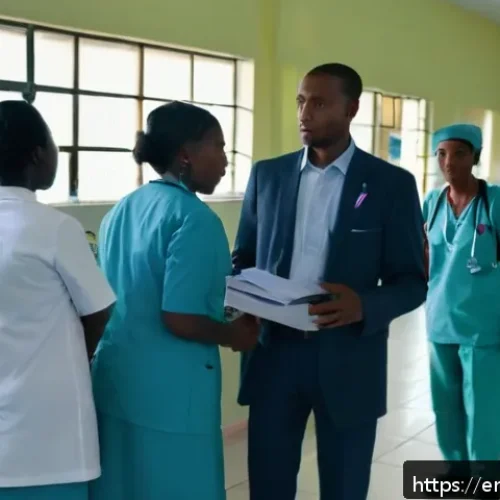
Navigating Haiti’s healthcare system means first understanding the two main types of medical facilities: public and private. Public hospitals, often underfunded and overcrowded, provide essential services but may lack advanced equipment or specialist care.
Private clinics and hospitals, while typically better equipped and staffed, come with higher costs that might not be affordable for everyone. From my experience, if you’re looking for prompt and quality care, private facilities are usually your best bet—especially in urban centers like Port-au-Prince—but it’s crucial to prepare for the expenses.
On the other hand, public institutions can serve well for basic treatments or emergencies when options are limited.
Geographical Challenges and Facility Distribution
One of the biggest hurdles in Haiti’s healthcare is the uneven distribution of facilities. Most hospitals and clinics cluster in cities, leaving rural areas severely underserved.
This means that if you’re traveling outside major towns, access to reliable care can be unpredictable. I’ve seen firsthand how people sometimes travel hours on rough roads just to reach the nearest clinic.
This reality underscores the importance of planning ahead, especially if you have a chronic condition or anticipate needing medical support during your stay.
The Role of International Organizations
International NGOs and organizations play a vital role in supplementing healthcare services in Haiti. Groups like Médecins Sans Frontières and Partners In Health often operate clinics and mobile health units, particularly in underserved regions.
From volunteering experiences, I noticed these organizations bring not only medical expertise but also essential resources that local facilities might lack.
They can be lifesavers during health crises or natural disasters, providing vaccinations, maternal care, and emergency response.
How to Choose the Right Medical Facility When in Haiti
Assessing Facility Reputation and Services
When deciding where to seek care, reputation matters. Word-of-mouth and local recommendations can guide you to reputable hospitals or clinics. Personally, I rely on feedback from locals or expatriates who’ve had positive experiences.
Checking what services a facility offers—like maternity care, emergency surgery, or pediatric services—is crucial. Some places specialize in certain areas, so matching your health needs to their capabilities can save time and stress.
Considering Cost and Payment Options
Healthcare in Haiti can be expensive, especially in private settings. Many hospitals require upfront payment before treatment, which caught me off guard on my first visit.
It’s smart to ask about costs beforehand and check if they accept international health insurance or credit cards. Some clinics offer sliding scale fees or payment plans, but this varies widely.
Having some cash on hand is essential, particularly in rural areas where card payment isn’t common.
Emergency Preparedness and Accessibility
Emergencies demand quick decisions. Knowing which hospitals are open 24/7 and have emergency departments can be a lifesaver. I always keep a list of nearby hospitals with emergency care and their contact numbers handy.
Keep in mind that ambulance services are limited, so arranging your own transport or knowing local contacts can speed up access to urgent care.
Overcoming Language and Communication Barriers
French and Haitian Creole in Healthcare Settings
In Haiti, French and Haitian Creole are the primary languages spoken in medical facilities. While many healthcare workers understand some English, it’s not guaranteed.
From my visits, I found that learning basic medical phrases in Creole can bridge communication gaps and reduce misunderstandings. Simple greetings, symptoms descriptions, or asking for help in Creole often earns goodwill and improves the interaction.
Using Translators and Technology
If language is a significant barrier, hiring a local translator or using translation apps can be invaluable. I’ve relied on smartphone apps with offline capability when internet access was patchy, and this made a noticeable difference during consultations.
Just be cautious about sensitive information and double-check translations to avoid errors.
Building Trust Through Clear Communication
Effective communication isn’t just about language; it’s about patience and empathy. I noticed that healthcare providers in Haiti appreciate when patients take the time to explain symptoms thoroughly, even if it requires repetition.
Being respectful and calm helps build trust, which is crucial for receiving attentive care.
Essential Preparations Before Seeking Medical Care
Gathering Medical Records and Prescriptions
Bringing your medical history and current prescriptions is indispensable. I learned the hard way that local doctors often need detailed information to continue treatment safely.
Having printouts or digital copies of your records, immunization history, and medication lists can expedite diagnosis and avoid harmful drug interactions.
Vaccinations and Preventive Measures
Prior to travel, ensuring you’re up to date on vaccinations is a must. Vaccines for diseases like yellow fever, typhoid, and hepatitis A are highly recommended.
From what I’ve observed, preventive health measures, including using mosquito nets and drinking bottled water, reduce the chances of falling ill and needing hospital visits altogether.
Planning for Chronic Conditions
If you have chronic illnesses like diabetes or hypertension, plan ahead. Stock up on medications and learn where to refill prescriptions locally. When I managed a friend’s care remotely, I realized that some drugs are scarce or expensive in Haiti, so bringing a sufficient supply is wise.
What to Expect During a Hospital Visit
Registration and Waiting Times
Arriving at a hospital in Haiti often means preparing for long waits, especially in public facilities. Registration processes can be informal and paperwork minimal, but patience is key.
In my experience, bringing water, snacks, and something to pass the time makes the wait more manageable. Early arrival can sometimes reduce waiting times, though emergencies take priority.
Interaction with Medical Staff
Doctors and nurses in Haiti are generally dedicated but may be stretched thin. I noticed that showing appreciation and politeness goes a long way in fostering cooperation.

Also, don’t hesitate to ask questions or request clarifications—advocating for yourself or your loved ones can improve the quality of care.
Payment and Discharge Procedures
Before discharge, ensure you understand the payment requirements. Some hospitals ask for full payment upfront, while others bill afterward. I recommend obtaining receipts and prescriptions before leaving.
Follow-up appointments are sometimes scheduled on the spot, so keep your schedule flexible.
Community Resources and Support Networks
Local Pharmacies and Medicine Access
Pharmacies in Haiti are often your first stop for minor ailments or medication refills. I found that while many carry common drugs, availability can fluctuate.
Building a relationship with a trusted local pharmacist can be a valuable asset during your stay.
Health Education and Awareness Programs
Numerous local and international groups run health education initiatives focusing on hygiene, nutrition, and disease prevention. Joining community workshops or talks can enhance your knowledge and help you stay healthier.
I personally benefited from attending a maternal health seminar that clarified many questions.
Support Groups and Patient Advocacy
For chronic illnesses or mental health, support groups exist but are less formalized. Connecting with local NGOs or expatriate communities can provide emotional support and practical advice.
When I was involved in community health projects, these networks proved invaluable for sharing resources and encouragement.
| Type of Facility | Typical Cost Range | Common Services | Availability of Emergency Care | Language Spoken |
|---|---|---|---|---|
| Public Hospitals | Low to Moderate (Often subsidized) | Basic care, maternal health, emergency services | Generally available but limited resources | French, Haitian Creole |
| Private Hospitals | Moderate to High | Specialized treatments, surgeries, diagnostics | Usually 24/7 emergency | French, Haitian Creole, some English |
| NGO Clinics | Often Free or Low Cost | Vaccinations, primary care, maternal and child health | Varies by location | French, Haitian Creole |
| Local Pharmacies | Variable, out-of-pocket | Medication dispensing, minor ailment advice | Not applicable | French, Haitian Creole |
Tips for Staying Healthy During Your Time in Haiti
Hydration and Food Safety
One of the easiest ways to avoid illness is to drink only bottled or purified water and be cautious with street food. I’ve seen many travelers get sick from contaminated water or improperly prepared meals.
Eating freshly cooked food and peeling fruits yourself reduces risk significantly.
Preventing Mosquito-Borne Illnesses
Diseases like dengue and chikungunya are common, so mosquito prevention is critical. Using insect repellent, wearing long sleeves, and sleeping under treated nets are practices I adopted immediately upon arrival.
These small steps make a huge difference in staying healthy.
Recognizing When to Seek Medical Help
It’s important to listen to your body and seek care promptly if symptoms worsen or new ones appear. Waiting too long can complicate treatment. During my time in Haiti, I learned that acting early, even for what seems minor, can prevent serious complications.
Building Resilience Through Local Healthcare Knowledge
Learning from the Community
Engaging with locals about their healthcare experiences offers invaluable insights. I found that people are often willing to share advice on trusted doctors or clinics.
This community knowledge can save time and improve your healthcare journey.
Adapting to Resource Limitations
Haiti’s healthcare system faces many challenges, but adaptability helps. Carrying a basic first aid kit, understanding common remedies, and knowing when to escalate care helped me navigate situations smoothly.
Empowering Yourself with Information
Staying informed about health risks, vaccination schedules, and emergency contacts enhances your safety. I recommend keeping a small health guide or app on your phone for quick reference.
The more you know, the better equipped you are to manage your health effectively.
In Conclusion
Understanding Haiti’s healthcare system is key to navigating medical needs effectively during your stay. While challenges exist, being prepared and informed can greatly improve your experience. Whether choosing between public or private care, or managing communication hurdles, knowledge empowers you to make the best decisions. Staying proactive about health and safety will ensure a smoother and safer visit.
Useful Information to Keep in Mind
1. Always carry copies of your medical records and prescriptions to facilitate proper treatment in Haiti.
2. Confirm payment methods and costs in advance, especially when visiting private facilities.
3. Learn basic Haitian Creole phrases to help bridge language gaps with healthcare providers.
4. Keep a list of nearby hospitals with emergency services and their contact numbers handy.
5. Take preventive measures seriously, including vaccinations and mosquito protection, to avoid common illnesses.
Key Takeaways
Haiti’s healthcare system presents a mix of public, private, and NGO-run facilities, each with its own strengths and limitations. Accessibility varies greatly depending on location, with rural areas facing more challenges. Language barriers can be managed with simple Creole phrases or translation tools. Cost and payment policies differ widely, so preparation is essential. Ultimately, being informed, adaptable, and respectful of local customs can greatly enhance your healthcare experience in Haiti.
Frequently Asked Questions (FAQ) 📖
Q: How can I find reliable hospitals and clinics in Haiti during my visit?
A: Finding trustworthy medical facilities in Haiti can be challenging due to limited infrastructure and resource disparities. My advice is to plan ahead by researching hospitals known for quality care, such as Hôpital de l’Université d’État d’Haïti in Port-au-Prince or Médecins Sans Frontières-supported clinics.
Connecting with local contacts or expatriate communities can also provide valuable recommendations. When you arrive, verify that the facility has essential services, qualified staff, and necessary equipment.
Having travel insurance that covers medical evacuation is a smart backup in case specialized care is needed.
Q: What should I expect regarding the availability and quality of medical services in Haiti?
A: From my experience and reports from aid workers, medical services in Haiti vary widely. Urban centers tend to have better-equipped hospitals, but even there, shortages of medicines and staff are common.
Rural areas might only have basic clinics with limited capabilities. It’s important to manage expectations and be prepared for possible delays or the need to travel for advanced care.
Bringing a personal medical kit and necessary prescriptions can be a lifesaver. Also, patience and clear communication with healthcare providers help navigate the system more smoothly.
Q: Are there specific precautions or preparations I should take before seeking medical care in Haiti?
A: Absolutely. Before your trip, ensure all routine vaccinations are up to date, and consider additional ones recommended for Haiti, like Hepatitis A and Typhoid.
Carry a detailed medical history and a list of current medications in case language barriers arise. It’s wise to learn some basic French or Haitian Creole phrases related to health.
Also, register with your embassy and know emergency contact numbers. During your stay, drink bottled water, avoid street food that may not be hygienic, and use mosquito repellent to reduce risks of diseases like malaria or dengue.
These steps can significantly reduce health risks and ease access to care when needed.