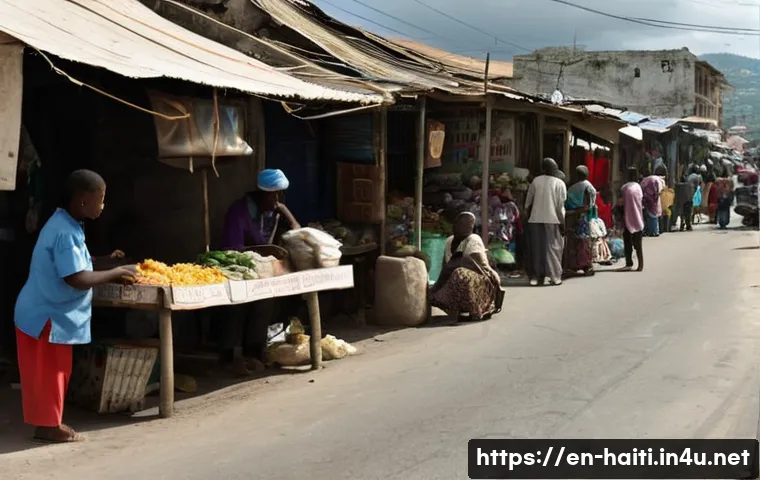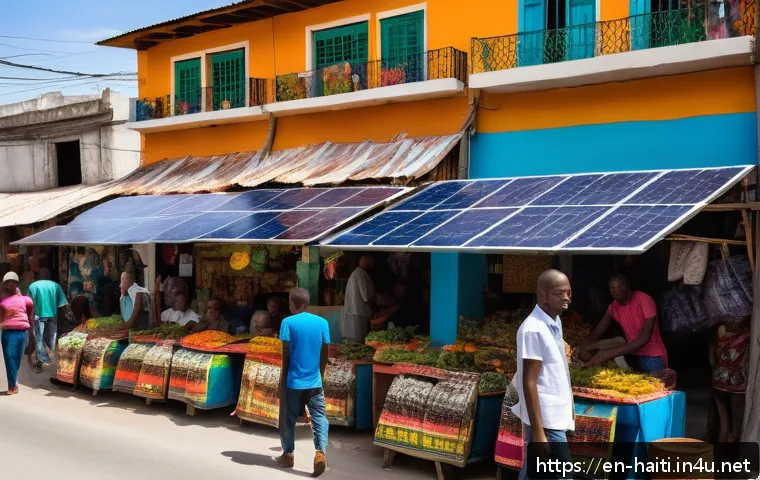
In today’s fast-evolving global economy, spotting opportunities in emerging markets can be a game-changer. Haiti, often overlooked, is quietly transforming with new business ventures and untapped potential.
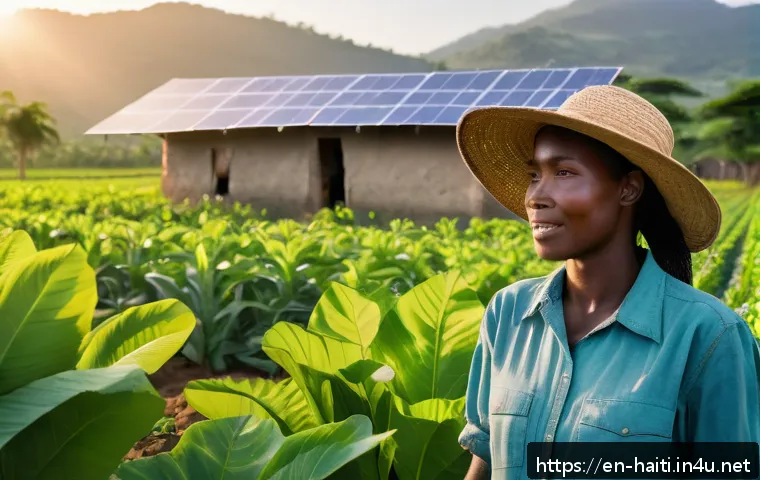
One Korean entrepreneur’s journey to build a thriving empire there offers valuable insights into innovation, resilience, and cross-cultural success. If you’re curious about how vision and determination can turn challenges into profitable ventures, this story is a must-read.
Let’s dive into how this unique business venture is reshaping Haiti’s market landscape and inspiring entrepreneurs worldwide.
Understanding Haiti’s Untapped Market Potential
Economic Landscape and Emerging Opportunities
Haiti’s economy has long been overshadowed by challenges such as political instability and natural disasters. However, beneath these hurdles lies a wealth of opportunities waiting to be harnessed.
Recent shifts in infrastructure development, combined with a young and energetic workforce, have begun to reshape the economic environment. Small and medium-sized enterprises are gradually gaining momentum, particularly in sectors like agriculture, renewable energy, and digital services.
This evolving landscape offers entrepreneurs a chance to enter early, establish a foothold, and grow alongside the market. Personally, observing this transformation firsthand has shown me how resilient local communities are, constantly innovating despite difficulties.
Consumer Behavior and Local Demand Trends
The Haitian consumer market is unique and rapidly changing. Urban areas, especially Port-au-Prince, are witnessing a rise in demand for quality goods and services, including affordable technology, health products, and sustainable energy solutions.
What’s fascinating is how local preferences blend traditional values with a growing appetite for modern conveniences. Entrepreneurs need to pay attention to culturally relevant marketing and build trust within communities to succeed.
I’ve seen how a simple adaptation in product packaging or payment flexibility can dramatically increase acceptance and loyalty, proving that understanding local nuances is essential.
Infrastructure and Connectivity Challenges
One cannot overlook the infrastructural gaps that still exist in Haiti, from inconsistent electricity supply to limited internet penetration in rural areas.
Yet, these challenges also create niches for innovative solutions like solar-powered systems and mobile-based services. From my experience, investing in reliable infrastructure and partnering with local organizations to improve accessibility can turn what seems like a roadblock into a competitive advantage.
For example, a solar energy startup I worked with managed to expand rapidly by providing off-grid power solutions tailored to community needs, demonstrating how infrastructure problems can be an entrepreneurial springboard.
Building Cross-Cultural Bridges in Business
Embracing Local Customs and Practices
Entering a new market like Haiti requires more than just capital and ideas; it demands genuine respect and understanding of local customs. Business success often hinges on building relationships and trust through face-to-face interactions and community involvement.
I recall numerous occasions where taking time to engage with local leaders and participating in community events opened doors that no formal contract could.
Such cultural immersion enriches one’s perspective and fosters collaboration, making ventures more sustainable in the long run.
Communication and Language Nuances
While French and Haitian Creole dominate, English is not widely spoken, which means entrepreneurs must adapt their communication strategies. Hiring bilingual staff or translators who grasp the cultural context can make a huge difference.
I’ve learned that clear, culturally sensitive messaging not only avoids misunderstandings but also shows respect, helping to build rapport with clients and partners.
Simple gestures, like learning basic Creole greetings, often break down barriers and create a warm business atmosphere that encourages openness and loyalty.
Negotiation Styles and Decision-Making Processes
Negotiations in Haiti can be quite different from what many international entrepreneurs expect. They often involve more informal discussions and a slower pace, reflecting a strong emphasis on relationships rather than immediate transactions.
Patience and flexibility are key, as rushing decisions can backfire. From my experience, allowing ample time for dialogue and demonstrating genuine interest in mutual benefit leads to more fruitful partnerships.
Being adaptable and attuned to the local rhythm can transform negotiations from stressful encounters into collaborative exchanges.
Innovative Business Models Thriving in Haiti
Leveraging Technology for Social Impact
Tech-driven solutions are gaining traction in Haiti, particularly those that address social challenges like education, healthcare, and energy access. Mobile payment platforms and e-learning tools are examples of innovations that not only generate profit but also improve quality of life.
I personally witnessed a startup that combined mobile connectivity with solar-powered devices to bring education to remote areas, proving how technology can bridge gaps and create new markets.
This dual focus on profit and impact is increasingly resonating with both local communities and international investors.
Sustainable Agriculture and Local Production
Agriculture remains a cornerstone of Haiti’s economy, but traditional methods often limit productivity. Introducing sustainable practices and modern equipment has opened doors for entrepreneurs to boost yields and create value-added products.
Working alongside local farmers, I’ve seen how training and investment in eco-friendly farming techniques lead to better harvests and higher incomes. These initiatives not only meet growing demand for organic and quality produce but also empower communities, making agriculture a win-win venture.
Renewable Energy Ventures
With frequent power outages and limited grid access, renewable energy solutions such as solar and wind have become essential. Entrepreneurs who bring affordable and scalable energy systems find a ready market eager for reliable alternatives.
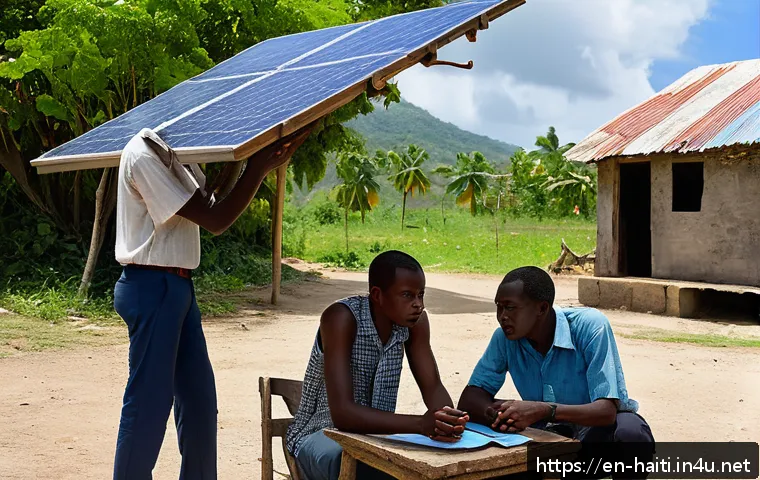
From my hands-on involvement in solar panel distribution projects, it’s clear that coupling product sales with community education on maintenance ensures sustainability.
These ventures often attract international funding, creating a dynamic ecosystem where local needs meet global green investment trends.
Navigating Regulatory and Financial Landscapes
Understanding Local Business Regulations
Haiti’s regulatory environment can be complex and sometimes opaque for outsiders. Navigating permits, taxes, and labor laws requires patience and local expertise.
From my own trials, partnering with knowledgeable local advisors proved invaluable in avoiding costly missteps. Staying informed about evolving policies and maintaining transparent practices not only ensures compliance but also builds credibility with government bodies and partners, smoothing the path for long-term operations.
Access to Financing and Investment Options
Securing capital in Haiti is often challenging due to underdeveloped financial markets. However, a mix of microfinance, impact investors, and diaspora funding is gradually expanding available resources.
I found that crafting a compelling business plan emphasizing social impact alongside profitability attracts diverse funding sources. Additionally, building strong relationships with local banks and international agencies can open doors to grants and loans tailored for emerging markets, making financial navigation a critical skill for entrepreneurs.
Risk Management and Contingency Planning
Given Haiti’s vulnerability to natural disasters and political fluctuations, robust risk management strategies are essential. Entrepreneurs must prepare for disruptions by diversifying supply chains, investing in insurance, and developing flexible business models.
In my experience, those who incorporate contingency plans from the outset are better equipped to weather crises and maintain customer trust. This proactive approach also reassures investors and partners, highlighting a commitment to resilience and stability.
Effective Marketing Strategies Tailored for Haiti
Utilizing Local Media and Word-of-Mouth
Traditional marketing channels like radio and community events remain powerful in Haiti, where internet penetration is uneven. I’ve seen local radio spots and grassroots campaigns generate significant buzz and drive customer engagement.
Word-of-mouth, amplified by trusted community figures, often carries more weight than digital ads. Crafting authentic stories that resonate with local values and aspirations can transform marketing efforts into genuine conversations that build brand loyalty.
Harnessing Social Media and Digital Tools
Despite infrastructural limitations, social media platforms like Facebook and WhatsApp have become essential tools for reaching younger, urban populations.
Entrepreneurs who actively engage audiences through interactive content and timely responses create vibrant online communities. From my observations, integrating social media with offline activities strengthens brand presence and facilitates direct customer feedback, enabling continuous improvement and stronger customer bonds.
Building Brand Trust and Reputation
Trust is the currency of business success in Haiti, where consumers value reliability and integrity. Delivering consistent quality, honoring commitments, and engaging transparently with customers are non-negotiable.
I recall instances where a simple follow-up call or addressing complaints promptly turned skeptical customers into loyal advocates. Investing time and effort in building a trustworthy brand pays dividends through repeat business and positive referrals, essential in a close-knit market environment.
Table: Key Factors for Successful Entrepreneurship in Haiti
| Factor | Description | Practical Tip |
|---|---|---|
| Market Potential | Growing demand in urban centers for modern goods and services | Focus on sectors like renewable energy, tech, and agriculture |
| Cultural Adaptation | Respect for local customs and communication styles | Engage community leaders and hire bilingual staff |
| Infrastructure Challenges | Limited electricity and internet in many areas | Invest in off-grid solutions and mobile platforms |
| Regulatory Environment | Complex permits and tax regulations | Work with local legal advisors for compliance |
| Financing Options | Limited traditional financing, rise of microfinance and diaspora funds | Prepare impact-driven business plans to attract investors |
| Marketing Channels | Importance of radio, word-of-mouth, and social media | Combine offline campaigns with digital engagement |
| Risk Management | Exposure to natural disasters and political shifts | Diversify supply chains and develop contingency plans |
Conclusion
Haiti’s market holds remarkable potential shaped by its resilient people and emerging sectors. While challenges persist, they open doors for innovative and culturally sensitive entrepreneurs ready to make a meaningful impact. Success here depends on patience, local engagement, and adaptable strategies that honor the community’s unique dynamics. By embracing these principles, businesses can thrive and contribute to sustainable growth in Haiti’s evolving economy.
Useful Information to Keep in Mind
1. Understand the importance of blending modern solutions with local traditions to build trust and acceptance.
2. Prioritize investments in infrastructure gaps, especially in renewable energy and mobile connectivity.
3. Collaborate closely with local advisors to navigate regulatory and financial landscapes smoothly.
4. Use a mix of traditional media and digital platforms to reach diverse audiences effectively.
5. Develop comprehensive risk management plans to prepare for Haiti’s environmental and political uncertainties.
Key Takeaways for Successful Entrepreneurship
Building success in Haiti requires deep cultural respect, a focus on community relationships, and flexible business models tailored to local realities. Entrepreneurs should leverage emerging technologies while addressing infrastructure challenges through innovative solutions. Navigating complex regulations with expert guidance and securing diverse financing options is crucial. Finally, combining authentic marketing with strong risk management ensures resilience and long-term growth in this unique market.
Frequently Asked Questions (FAQ) 📖
Q: What makes Haiti an attractive destination for new business ventures despite its challenges?
A: Haiti offers a unique combination of untapped market potential and a growing entrepreneurial spirit. While infrastructure and political stability can pose challenges, the country’s youthful population and demand for innovative goods and services create significant opportunities.
Entrepreneurs who approach the market with cultural sensitivity and adaptability often find rewarding niches that larger companies overlook. The key lies in resilience and building strong local partnerships to navigate the complexities.
Q: How did the Korean entrepreneur manage to build a successful business empire in Haiti?
A: From what I’ve learned, the entrepreneur’s success stemmed from a deep commitment to understanding local needs and investing in community development.
Rather than imposing external business models, they adapted their approach to fit Haitian culture and economic realities. This included hiring local talent, supporting education initiatives, and gradually scaling operations with patience.
Their story shows that success in emerging markets often requires more than just capital—it demands empathy, persistence, and a willingness to learn from setbacks.
Q: What lessons can aspiring global entrepreneurs learn from this venture in Haiti?
A: One of the most powerful takeaways is the importance of embracing uncertainty while maintaining a clear vision. This entrepreneur’s journey highlights that emerging markets are not just about risk but also about incredible possibilities for innovation and impact.
Building trust with local communities, staying flexible in business strategies, and focusing on long-term value rather than quick profits are crucial.
For anyone looking to expand globally, this story reinforces that success often comes from combining determination with cultural respect and continuous learning.