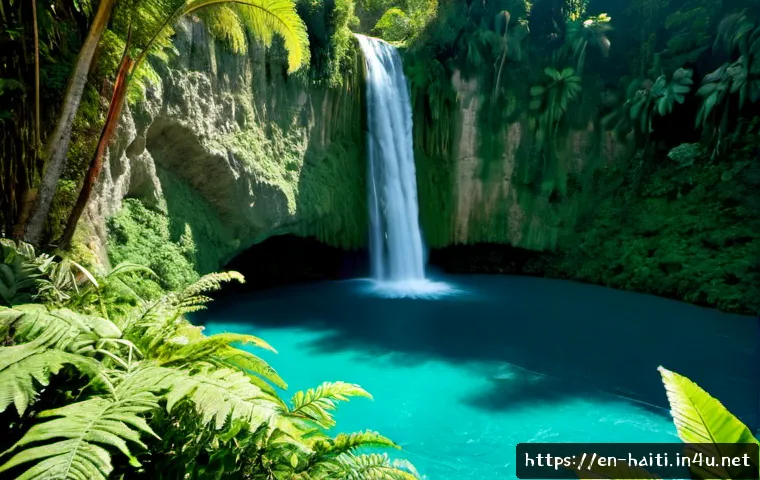
As travelers seek more authentic and less crowded destinations, Haiti’s breathtaking landscapes are finally stepping into the spotlight. From lush mountains to pristine waterfalls, this Caribbean gem offers nature lovers an untouched playground of outdoor adventures.
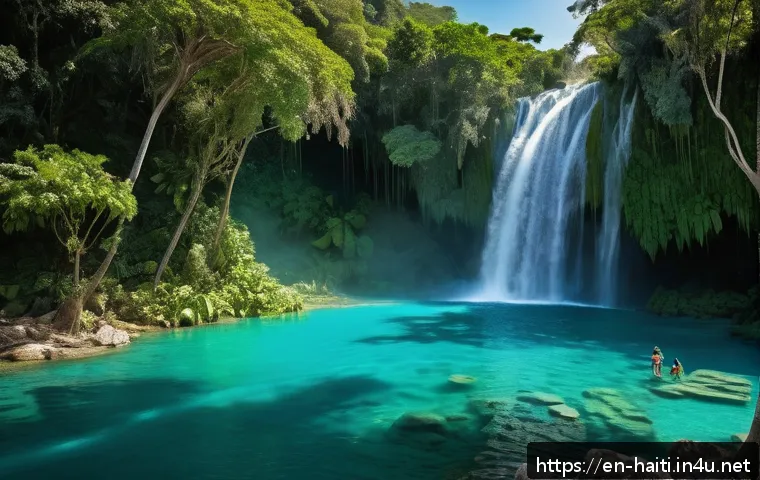
Whether you’re craving an exhilarating hike or a tranquil escape, Haiti’s hidden natural wonders promise unforgettable experiences. With eco-tourism gaining momentum worldwide, now’s the perfect time to explore these off-the-beaten-path treasures.
Join me as we uncover the top outdoor adventures that make Haiti a must-visit for every nature enthusiast.
Discovering Haiti’s Untouched Mountain Trails
Winding Paths Through Verdant Peaks
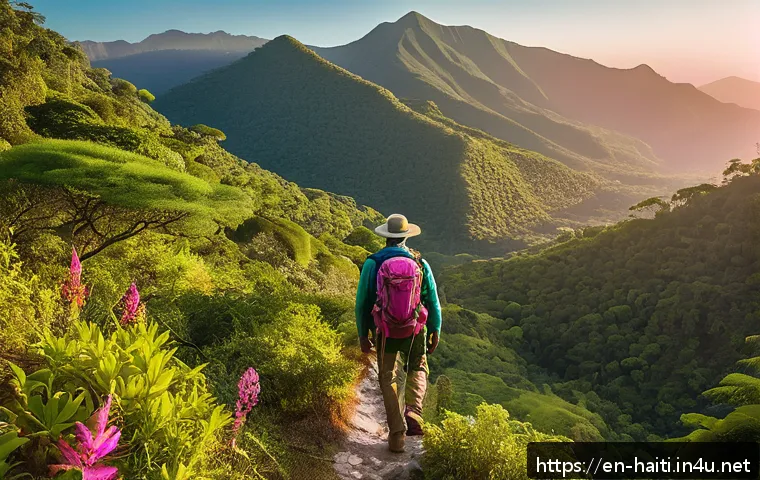
One of the most captivating ways to experience Haiti’s raw beauty is by trekking through its lush mountain trails. Unlike the crowded tourist spots in other Caribbean islands, Haiti’s trails offer solitude amid towering trees and vibrant flora.
I recall hiking early morning on the Massif de la Selle, where the cool mountain air mixed with the scent of tropical plants created an almost magical atmosphere.
The paths can be rugged, so sturdy shoes and a guide familiar with the terrain are essential. Yet the reward is worth every step: panoramic views of valleys cloaked in green, the occasional glimpse of native birds, and the profound sense of being somewhere truly untouched by time.
Embracing the Challenge of Haiti’s Highlands
For those who crave a bit more adventure, Haiti’s highlands present challenging ascents that push your limits while rewarding you with breathtaking vistas.
The hike to Pic la Selle, the highest peak in Haiti, is a perfect example. It’s not just a physical journey but a chance to connect deeply with nature—something I felt keenly during my climb as I paused to catch my breath and soak in the sweeping views stretching toward the horizon.
Along the way, local guides share stories of the land’s history and biodiversity, enriching the experience beyond the physical exertion.
Sunrise and Sunset Moments Above the Clouds
Timing your trek to catch the sunrise or sunset from a mountain peak can transform an ordinary hike into a soul-stirring memory. I’ve personally witnessed how the early morning light spills over the rugged landscape, turning the sky into a canvas of pinks and oranges.
It’s a quiet moment where the world seems to pause, and the beauty of Haiti’s mountains reveals itself in full glory. Many travelers recommend camping overnight on the trails to savor these moments without the rush, making it a cherished highlight of any visit.
Immersing in Haiti’s Waterfall Wonders
Chasing Hidden Cascades in Remote Valleys
Haiti’s waterfalls are like secret jewels tucked away in remote valleys, accessible only by those willing to venture off the beaten path. I remember trekking through dense forests to reach the stunning Saut-Mathurine waterfall, where the cascading water plunges into a crystal-clear pool below.
The journey there feels like stepping into a movie scene, with the sound of rushing water growing louder as you approach. It’s a refreshing reward after a warm hike, perfect for a dip or just to sit and listen to nature’s rhythm.
Swimming Beneath Nature’s Showers
Many of Haiti’s waterfalls create natural swimming holes, offering a unique way to cool off after exploring. At Bassin Bleu, a series of turquoise pools connected by small falls, the experience is both exhilarating and serene.
I found myself floating in the cool water, surrounded by lush greenery and the gentle mist of the falls. It’s a perfect spot to relax, swim, and even cliff jump for the more adventurous.
The natural setting makes it feel like a private oasis, far removed from typical tourist crowds.
Photographing the Untamed Beauty
For photography lovers, Haiti’s waterfalls provide endless opportunities to capture nature in its rawest form. The interplay of light and water, combined with the untouched surroundings, creates stunning visuals.
I took countless shots trying to capture the power and tranquility of these falls, but no photo can fully convey the feeling of standing there, hearing the water’s roar and feeling the spray on your face.
If you’re into nature photography, plan to spend extra time at these spots for the best light and quiet moments.
Exploring Coastal Mangroves and Marine Life
Kayaking Through Serene Mangrove Forests
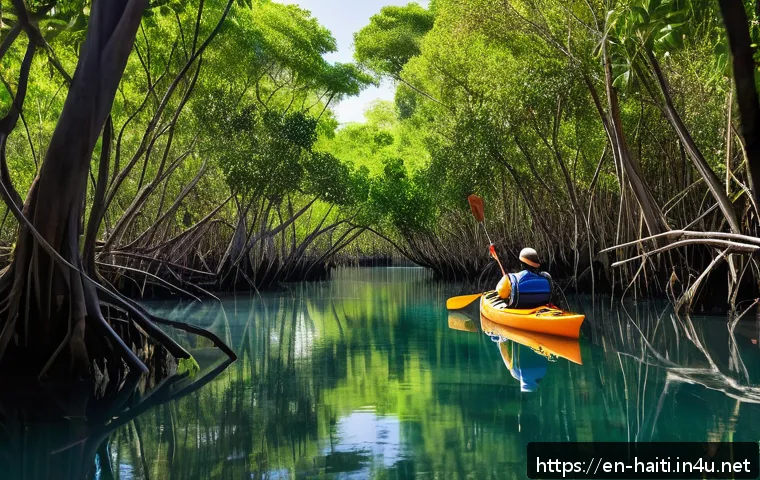
Haiti’s coastal mangroves are often overlooked but offer a peaceful escape into a vital ecosystem. Paddling through these calm waters on a kayak, I encountered a diverse array of bird species and saw the intricate root systems that protect the shoreline from erosion.
The experience felt like gliding through a natural labyrinth, with sunlight filtering through dense leaves overhead. It’s both educational and relaxing, a chance to slow down and appreciate the delicate balance of coastal life.
Snorkeling Among Vibrant Coral Reefs
The waters surrounding Haiti are home to thriving coral reefs teeming with colorful fish and marine creatures. I had the chance to snorkel near Labadee, where the underwater world unfolds in vibrant hues.
Swimming alongside schools of fish and spotting rays gliding gracefully was a highlight of my trip. The reefs here are less frequented than in other Caribbean hotspots, meaning you often have the chance to explore them in relative solitude, enhancing the sense of discovery.
Supporting Conservation Through Eco-Tours
Many eco-tourism operators in Haiti focus on preserving these fragile environments while offering immersive experiences. Joining a guided eco-tour not only enriches your understanding of the mangroves and reefs but also supports local conservation efforts.
I chose a tour led by local experts who shared their passion for protecting Haiti’s natural heritage. It felt good knowing my visit contributed to sustainable tourism, helping maintain these ecosystems for future generations.
Unveiling Haiti’s Secret Caves and Geological Marvels
Venturing Into Mysterious Underground Passages
Haiti’s karst landscapes hide fascinating caves waiting to be explored. One of my most memorable adventures was spelunking in the Parc National La Visite, where ancient limestone caves reveal stunning stalactites and stalagmites formations.
The thrill of navigating dimly lit chambers, hearing the drip of water echoing in the silence, created an eerie yet exciting atmosphere. It’s an experience that combines natural history with a touch of mystery, perfect for adventurous travelers.
Learning About Haiti’s Geological History
These caves are more than just natural wonders; they tell stories of Haiti’s geological past. Guides often explain how these formations took thousands of years to develop, shaped by water and time.
It’s fascinating to consider the slow processes that created such beauty beneath the surface. During my visit, I felt a deep appreciation for the natural forces that continue to shape the island, connecting me to a timeline far beyond human presence.
Safety and Preparation for Cave Exploration
Exploring caves requires some preparation and caution. I recommend going with experienced guides who know the layout and can ensure safety. Wearing proper gear, such as helmets and sturdy footwear, is crucial.
My guide provided headlamps and shared essential tips for navigating safely. Despite the challenges, the sense of discovery and awe inside these caves makes it an unforgettable highlight of Haiti’s natural offerings.
Experiencing Haiti’s Rich Biodiversity in National Parks
Spotting Rare Wildlife in Protected Areas
Haiti’s national parks are sanctuaries for an array of wildlife, including several endemic and endangered species. I visited Parc National Macaya and was thrilled to spot rare birds and unique plants that exist nowhere else.
The biodiversity here is impressive, and the parks serve as vital refuges amid increasing environmental pressures. Walking through these protected areas gave me a sense of responsibility and hope for conservation efforts underway.
Guided Nature Walks and Educational Programs
Many parks offer guided nature walks that deepen your understanding of the local ecosystem. I joined a ranger-led tour where we discussed the importance of preserving Haiti’s flora and fauna.
These educational programs are not only informative but also inspire visitors to become advocates for the environment. The passion of the guides was infectious, and their knowledge added layers of meaning to what might have otherwise been just a scenic stroll.
Balancing Tourism and Conservation
Sustainable tourism is key to preserving Haiti’s natural treasures. While visiting national parks, I noticed efforts to minimize human impact, such as designated trails and visitor limits.
Supporting these initiatives by respecting park rules and choosing eco-friendly accommodations helps maintain the delicate balance. It’s reassuring to see that tourism here can coexist with conservation, allowing future visitors to enjoy the same pristine landscapes.
| Outdoor Adventure | Location | Difficulty Level | Best Time to Visit | Unique Experience |
|---|---|---|---|---|
| Mountain Hiking | Massif de la Selle | Moderate to Challenging | November to April | Panoramic views & sunrise/sunset moments |
| Waterfall Swimming | Bassin Bleu | Easy to Moderate | Year-round | Natural pools & cliff jumping |
| Mangrove Kayaking | Coastal areas near Jacmel | Easy | March to June | Birdwatching & serene paddling |
| Snorkeling | Labadee Reef | Easy | December to May | Colorful coral reefs & marine life |
| Cave Exploration | Parc National La Visite | Moderate | Dry season (November to March) | Limestone formations & underground adventure |
| Wildlife Watching | Parc National Macaya | Easy to Moderate | Year-round | Endemic species & guided nature walks |
Engaging With Local Communities Through Nature
Learning Traditional Ecological Knowledge
What struck me most during my outdoor adventures in Haiti was how closely local communities live with nature. Many guides and villagers shared traditional knowledge about plants, animals, and sustainable practices passed down through generations.
This deep connection adds a rich cultural layer to the natural exploration, making every hike or kayak trip a lesson in heritage as well as ecology.
Supporting Community-Based Tourism Initiatives
Choosing tours run by local communities ensures your travel dollars directly benefit the people who protect and cherish these natural areas. During my stay, I visited a small village near a hiking trail where locals offered handmade crafts and authentic meals.
Participating in these initiatives felt rewarding, knowing I was helping preserve both cultural traditions and natural landscapes.
Experiencing Nature Through Local Festivals and Events
Sometimes, nature and culture blend in vibrant festivals celebrating the environment. I was lucky to time my visit with a local event honoring the island’s rivers and forests, featuring music, storytelling, and traditional dances.
This experience deepened my appreciation for Haiti’s natural wonders, reminding me that the environment is not just scenery but an integral part of the community’s identity and spirit.
Relaxing Retreats Surrounded by Nature
Eco-Lodges Nestled in Scenic Settings
After long days of adventure, retreating to eco-lodges surrounded by nature provides the perfect balance of comfort and immersion. I stayed in a small eco-lodge perched on a hillside overlooking a lush valley, where mornings began with bird songs and evenings ended under star-filled skies.
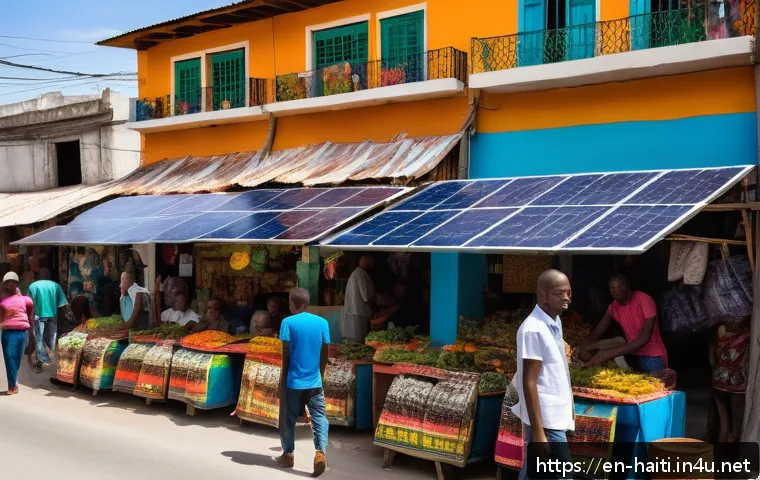
These accommodations emphasize sustainability, often using solar power and local materials, which made me feel aligned with the spirit of responsible travel.
Wellness Activities Amidst Natural Beauty
Many nature retreats in Haiti offer wellness programs such as yoga, meditation, or spa treatments that incorporate local herbs and healing traditions.
I tried a sunset yoga session on a terrace overlooking the ocean, which felt incredibly grounding after a day of exploring. The peaceful environment enhances these activities, allowing visitors to reconnect with themselves and the natural world.
Dining on Fresh, Local Flavors
One of the unexpected joys of these retreats is the food. Meals often feature fresh, locally sourced ingredients prepared with care, giving a taste of Haitian flavors that complement the outdoor experience.
I found that sharing these meals with fellow travelers and hosts created a warm, communal atmosphere, rounding out the day’s adventures with a sense of connection and satisfaction.
Closing Thoughts
Exploring Haiti’s natural landscapes reveals a side of the island that is both breathtaking and deeply authentic. From mountain trails to hidden waterfalls and vibrant coastal ecosystems, each adventure offers unique moments of connection with nature. Whether you seek solitude, challenge, or cultural immersion, Haiti’s outdoors promise unforgettable experiences that stay with you long after the journey ends.
Helpful Information to Know
1. Always prepare for varied terrain by wearing sturdy footwear and bringing sufficient water when hiking in Haiti’s mountainous regions.
2. Hiring local guides not only enhances safety but also enriches your understanding of the environment and cultural heritage.
3. The best seasons to visit most outdoor spots in Haiti range from November to April, avoiding heavy rains and ensuring clearer trails.
4. Respecting protected areas and following eco-tourism principles helps preserve Haiti’s fragile ecosystems for future travelers.
5. Engaging with community-based tourism initiatives supports local livelihoods and promotes sustainable travel practices.
Key Takeaways for a Safe and Rewarding Trip
Prioritize safety by choosing experienced guides and appropriate gear, especially when exploring caves or challenging mountain paths. Plan your visits during recommended seasons to enjoy optimal weather conditions and avoid environmental hazards. Embrace the opportunity to learn from local communities, respecting their knowledge and customs. Lastly, practice responsible tourism by minimizing your ecological footprint and supporting conservation efforts to ensure Haiti’s natural wonders remain vibrant and accessible for generations to come.
Frequently Asked Questions (FAQ) 📖
Q: What are the must-visit natural attractions in Haiti for outdoor enthusiasts?
A: Haiti boasts several stunning natural sites perfect for outdoor lovers. Key spots include the Citadelle Laferrière, an impressive mountaintop fortress surrounded by lush forests; Bassin Bleu, a series of vibrant blue waterfalls ideal for swimming and hiking; and the La Visite National Park, where you can trek through mountainous terrain and enjoy panoramic views.
These locations offer a blend of adventure, history, and breathtaking scenery that truly capture Haiti’s unique charm.
Q: Is it safe to travel to Haiti for outdoor adventures?
A: While Haiti has faced challenges in the past, many travelers find that with proper planning and local guidance, outdoor adventures can be safe and rewarding.
It’s advisable to join guided tours, especially when exploring remote areas, as local guides provide valuable insights and ensure a safer experience. Staying updated on travel advisories and respecting local customs also helps enhance safety.
Personally, I felt more secure when traveling with knowledgeable guides who know the terrain and communities well.
Q: What is the best time of year to explore Haiti’s natural wonders?
A: The ideal time to visit Haiti for outdoor activities is during the dry season, which runs from November to March. During these months, the weather is more predictable, with less rain and comfortable temperatures perfect for hiking, swimming, and sightseeing.
Traveling in this period not only means better trail conditions but also fewer crowds, allowing for a more peaceful and immersive nature experience. I found that visiting during the dry season made my hikes more enjoyable and hassle-free.