Haiti has long grappled with political instability that deeply affects its social fabric and economic development. Recent months have seen a surge in protests, fueled by widespread dissatisfaction with government corruption, economic hardship, and insecurity.
These demonstrations often disrupt daily life, highlighting the urgent need for sustainable solutions. Understanding the roots and current state of Haiti’s unrest is crucial for grasping the broader implications for the Caribbean region.
Let’s dive deeper into the situation and explore what’s really happening on the ground. Stay tuned as we uncover the details!
Drivers Behind the Growing Discontent
Economic Struggles Amplifying Frustrations
The economic landscape in Haiti has been deteriorating steadily, leaving a large portion of the population grappling with poverty and unemployment. Inflation rates have soared, making everyday essentials unaffordable for many families.
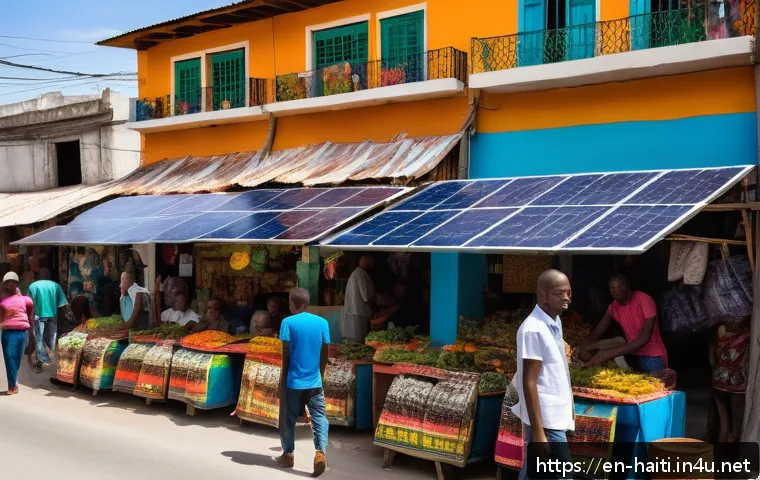
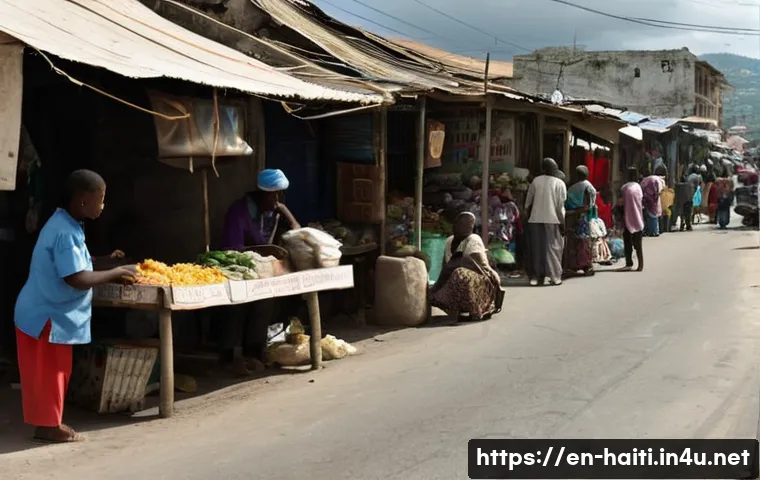
When I visited Port-au-Prince recently, I noticed street vendors struggling to sell basic goods at prices locals could barely afford. This financial strain feeds directly into public anger, as people feel abandoned by a system that fails to provide opportunities or stability.
The lack of foreign investment and dwindling tourism further tighten the noose on an already fragile economy, creating a vicious cycle of hardship and disillusionment.
Government Corruption Eroding Trust
Corruption has long been a thorn in Haiti’s side, but recent revelations have only deepened citizens’ mistrust. From embezzlement scandals to opaque dealings with international aid, many Haitians feel their leaders prioritize personal gain over public welfare.
During conversations with locals, a recurring theme was the sense of betrayal by those in power. This distrust makes it almost impossible to foster cooperation or hope for reform.
People’s frustration is not just about the hardships they face but also about feeling powerless in a system rigged against them.
Security Concerns and Daily Life Disruptions
Insecurity has become an everyday reality for many Haitians. Armed gangs control significant parts of urban areas, and violence erupts unpredictably, forcing residents to stay indoors or flee neighborhoods.
I’ve heard firsthand accounts of families barricading themselves at night and children missing school due to threats nearby. This climate of fear disrupts commerce, education, and social cohesion, further destabilizing the community fabric.
When protests erupt, they often become a double-edged sword—expressions of legitimate grievances that also increase instability and risk.
Protest Patterns and Public Mobilization
Key Locations and Frequency of Demonstrations
Most protests center around Port-au-Prince, particularly near government buildings and major roadways. The frequency has increased notably in the last few months, sometimes occurring multiple times a week.
Local activists and civil society groups coordinate these events, often using social media platforms to mobilize participants quickly. I noticed a strong youth presence during these gatherings, reflecting a generational demand for change.
However, the protests sometimes spill into violence or clashes with police, which complicates efforts to maintain peaceful demonstrations.
Demands and Messaging From Protesters
The core messages revolve around calls for transparency, improved governance, and enhanced security measures. Protesters also demand better access to public services, including healthcare and education, which have been severely compromised.
I found the diversity of voices striking—while some rallies focus on political reform, others highlight social justice issues or economic rights. This broad spectrum underscores how deeply the crisis permeates all aspects of Haitian society, making unified solutions challenging yet vital.
Government and International Responses
The government’s reaction has been a mix of crackdowns and promises of reform, but tangible progress remains elusive. International actors, including the United Nations and regional organizations, have offered assistance and mediation efforts.
However, many Haitians view external involvement with skepticism, fearing that foreign interests may overshadow local priorities. I’ve observed that without genuine dialogue and inclusive policies, these protests will likely persist, fueled by ongoing grievances and unmet expectations.
Impact on Regional Stability and Economy
Ripple Effects Across the Caribbean
Haiti’s turmoil doesn’t exist in isolation; it sends shockwaves through the Caribbean region. Neighboring countries face increased migration pressures as Haitians seek safety and opportunity elsewhere.
This migration strains resources and sometimes ignites political debates in host nations. Additionally, regional trade and tourism suffer as instability discourages investment and travel, affecting economies already vulnerable to global shocks.
I spoke with business owners in nearby islands who expressed concern about the unpredictability of Haiti’s situation and its broader implications.
Trade Disruptions and Economic Setbacks
The frequent roadblocks and shutdowns caused by protests hamper the movement of goods, leading to shortages and price hikes. Small businesses, which form the backbone of the local economy, bear the brunt of these disruptions.
I witnessed several markets closing early during protest days, with vendors lamenting lost income and wasted inventory. These interruptions not only affect Haiti internally but also disrupt supply chains connected to regional partners, creating a cascade of economic challenges.
Security Cooperation Challenges
Regional security cooperation is complicated by Haiti’s internal conflicts. Efforts to combat organized crime and gang violence require coordination among Caribbean nations, but political instability hampers these initiatives.
I learned from security analysts that inconsistent leadership and weak institutions in Haiti make sustained collaboration difficult, leaving gaps exploited by criminal networks.
Strengthening these partnerships will be critical to improving safety and stability for the entire region.
Role of Media and Communication Channels
Social Media as a Double-Edged Sword
Social media platforms have become vital for organizing protests and sharing information but also serve as hotbeds for misinformation and inflammatory content.
I observed how hashtags and viral posts mobilize support rapidly but can also spread rumors that escalate tensions unnecessarily. For many Haitians, these platforms are the primary means to voice concerns and coordinate actions, yet the challenge remains to balance freedom of expression with responsible communication.
Local Journalism Under Pressure
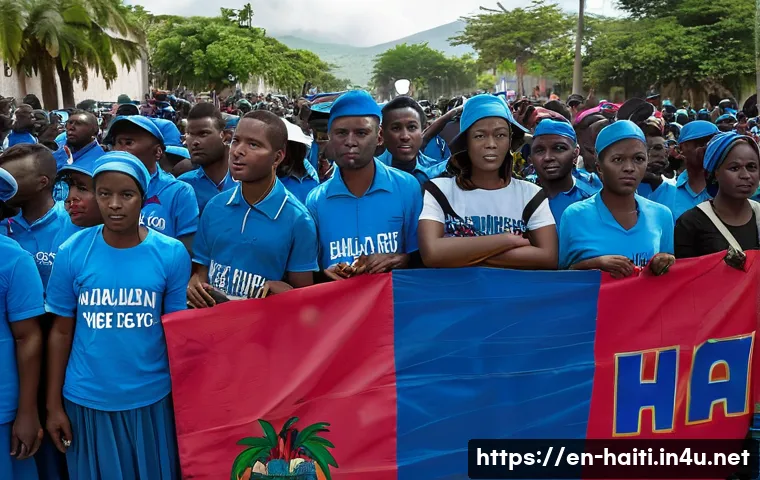
Local journalists face significant risks covering protests and political unrest, from harassment to threats of violence. Despite this, many persist in providing critical on-the-ground reporting.
I’ve read compelling firsthand accounts from reporters who risk their safety to capture the realities of daily life amid chaos. Their work is indispensable for transparency and accountability, yet the environment for independent journalism in Haiti remains precarious.
International Media Coverage and Perceptions
International media coverage often focuses on dramatic images of violence and chaos, sometimes oversimplifying Haiti’s complex issues. This framing can reinforce stereotypes and fail to convey the resilience and agency of Haitian communities.
From my perspective, it’s essential to highlight not just the challenges but also grassroots efforts for change, cultural richness, and everyday acts of courage that define Haiti’s spirit.
Humanitarian and Social Services Strain
Healthcare System Under Duress
Healthcare facilities struggle to operate amid violence and supply shortages, leaving many without access to essential services. I spoke with medical workers who described working in makeshift conditions, treating injuries from protests and gang violence while facing their own safety risks.
Chronic illnesses and maternal health suffer, exacerbated by the lack of consistent care and medicines. The strain on healthcare is a critical factor in the overall humanitarian crisis.
Education Disruptions and Youth Impact
School closures due to insecurity and protests have interrupted education for thousands of children. I visited a community where parents expressed fear about sending their kids to school, worried about potential violence or kidnappings.
This disruption threatens the future of a generation already burdened by economic hardship. Efforts to provide alternative education options are underway but face logistical and funding challenges.
Community-Led Relief and Support Initiatives
In the face of institutional failures, local communities and NGOs have stepped up to provide support. From food distribution to mental health counseling, grassroots organizations fill critical gaps.
I witnessed volunteer groups organizing neighborhood patrols to enhance safety and running workshops to empower residents. These initiatives demonstrate resilience and solidarity, offering glimmers of hope amidst the turmoil.
Prospects for Political Reform and Stability
Potential Paths for Dialogue and Reconciliation
Bringing together diverse political factions and civil society for meaningful dialogue remains a priority. I’ve attended forums where stakeholders expressed cautious optimism about creating inclusive platforms for negotiation.
Trust-building measures and transparent processes are essential, but the deep divisions and history of mistrust present formidable obstacles. Any progress will require sustained commitment from all parties involved.
Role of International Mediation and Support
International actors have a delicate role to play in facilitating reforms without overshadowing Haitian sovereignty. I’ve observed that successful mediation hinges on respecting local voices and priorities rather than imposing external agendas.
Technical assistance in electoral processes, governance reforms, and capacity building can support domestic efforts, but must be carefully calibrated to avoid dependency or backlash.
Challenges in Implementing Sustainable Solutions
Even well-intentioned reform proposals face hurdles such as limited resources, entrenched interests, and ongoing security concerns. I talked to policy experts who emphasize the need for holistic approaches addressing governance, economic development, and social cohesion simultaneously.
Quick fixes are unlikely to succeed; instead, patient, inclusive strategies with measurable milestones offer the best chance for durable peace and progress.
| Aspect | Current Situation | Implications |
|---|---|---|
| Economic Conditions | High inflation, unemployment, reduced foreign investment | Increased poverty, public frustration, reduced consumer spending |
| Political Climate | Widespread corruption, weak governance | Loss of public trust, protests, hindered reforms |
| Security | Gang violence, armed conflicts in urban areas | Disrupted daily life, decreased safety, migration pressures |
| Protests | Frequent demonstrations mainly in capital city | Transport disruptions, economic losses, government response challenges |
| Media Environment | Active social media use, pressured journalists | Rapid information spread, risk of misinformation, limited press freedom |
| Humanitarian Services | Healthcare and education heavily affected | Worsening public health, interrupted schooling, increased vulnerability |
| Regional Impact | Migration, economic ripple effects, security cooperation issues | Strain on neighbors, regional instability risks |
Conclusion
The ongoing challenges in Haiti reflect a complex mix of economic hardship, political instability, and social unrest. Addressing these issues requires concerted efforts from both local leaders and international partners. Despite the difficulties, the resilience and determination of Haitian communities offer a hopeful path forward. Sustainable progress will depend on inclusive dialogue, transparent governance, and support for grassroots initiatives.
Useful Information to Know
1. Economic hardship in Haiti is fueled by high inflation and unemployment, deeply affecting daily life and public morale.
2. Corruption and lack of trust in government institutions remain significant barriers to meaningful reform.
3. Security concerns, including gang violence, disrupt education, commerce, and community safety.
4. Social media plays a crucial role in protest organization but also poses risks of misinformation spreading.
5. Local and international humanitarian efforts are vital in providing healthcare, education, and social support amid ongoing crises.
Key Takeaways
Haiti’s current situation is shaped by intertwined economic, political, and security challenges that fuel public discontent and protests. Trust in governance is eroding, complicating efforts toward reform and stability. The impact extends beyond Haiti’s borders, affecting regional security and economies. Media and communication channels influence public perception and mobilization but face pressures and risks. Finally, community-driven humanitarian initiatives are essential to mitigate the crisis and support vulnerable populations as broader solutions are sought.
Frequently Asked Questions (FAQ) 📖
Q: What are the main causes behind the recent protests in Haiti?
A: The protests in Haiti stem from a combination of long-standing political instability, rampant government corruption, severe economic challenges, and escalating insecurity.
Many Haitians feel frustrated by the lack of effective leadership and basic services, which has led to widespread dissatisfaction. The immediate triggers often include surges in fuel prices, shortages of essential goods, and violent crime, all of which disrupt daily life and push people to the streets demanding change.
Q: How is the ongoing unrest affecting everyday life and the economy in Haiti?
A: The unrest has a profound impact on both daily life and the economy. Frequent demonstrations and roadblocks make it difficult for people to access work, schools, and healthcare facilities.
Businesses often close due to safety concerns, leading to job losses and reduced income for many families. The instability also deters foreign investment and tourism, two vital sources of revenue, further deepening the economic crisis.
From what I’ve seen and heard from locals, the uncertainty creates a cycle where hardship fuels more unrest, making it tough to break free.
Q: What are the prospects for resolving Haiti’s political and social crises?
A: Resolving Haiti’s crises requires a multifaceted approach involving political reform, anti-corruption measures, economic support, and security improvements.
International partners can play a role by supporting transparent governance and development projects, but ultimately, sustainable change depends on inclusive leadership and active citizen engagement.
While the path forward is challenging, there are signs of grassroots movements and civil society groups pushing for accountability and peace, which gives some hope for gradual progress.
However, patience and consistent efforts will be essential to see real improvements.