Bassin Bleu is the strongest choice for freshwater pools and waterfall walking, while La Visite National Park and Pic Macaya National Park suit travelers seeking mountain landscapes.
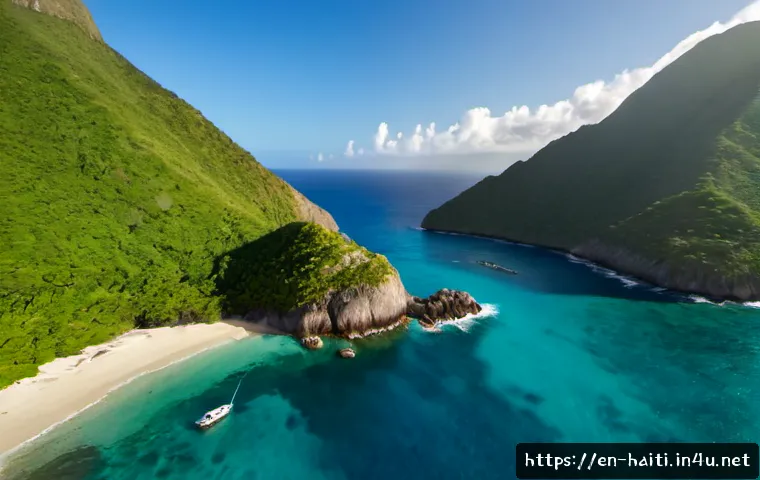
Île-à-Vache is the better fit for a slower coastal atmosphere, but access planning matters as much as the destination itself. Haiti’s lesser-known nature sites can be rewarding when transport, weather, and local conditions are confirmed close to departure.
A local guide, private driver, or overnight stay may add cost, yet each can reduce avoidable friction on rural routes. The best itinerary is usually the one that matches your available time, walking comfort, and need for flexibility.
At a Glance
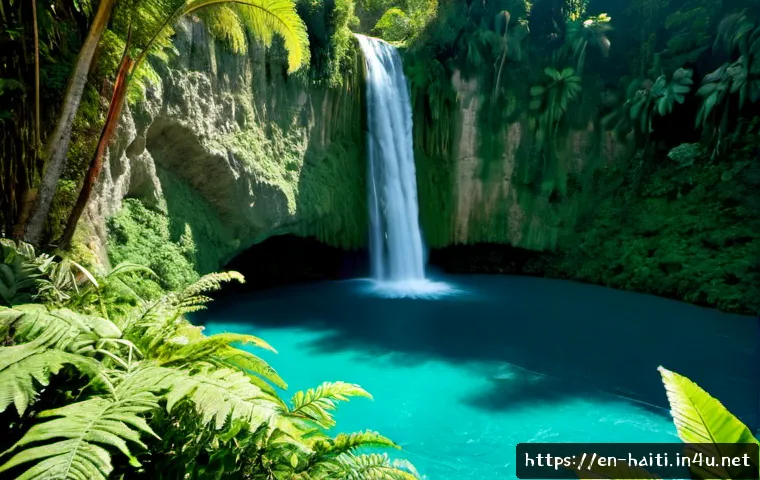
- For waterfalls: Bassin Bleu offers blue freshwater pools and a walking trail near Jacmel; Saut-d’Eau combines waterfall scenery with an important pilgrimage setting.
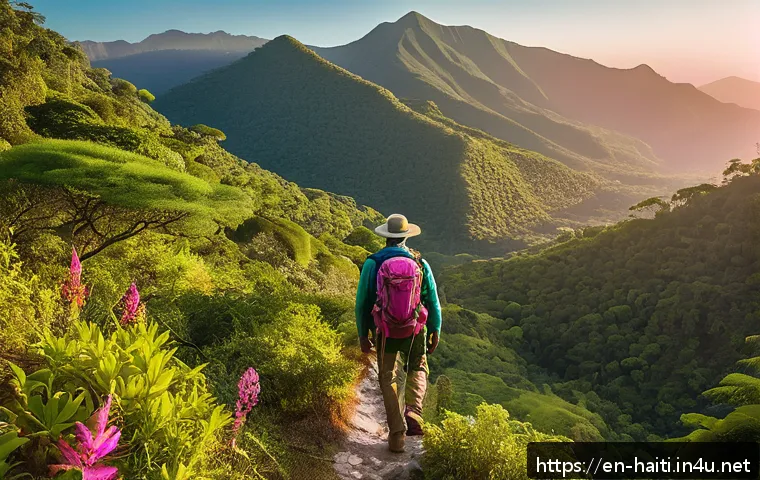
- For mountain landscapes: La Visite National Park and Pic Macaya National Park offer highland terrain, forest, and biodiversity-focused experiences.
- For quieter water views: Étang Saumâtre provides a saltwater-lake contrast, while Île-à-Vache is known for beaches, fishing communities, and calm coastal scenery.
| Destination Type | Best For | Access and Walking | Guide Value | Likely Spending Categories |
|---|---|---|---|---|
| Waterfalls: Bassin Bleu | Freshwater swimming scenery and short hiking | Walking trail; weather and route conditions should be checked | Useful for route support and local coordination | Transport, guide, food, water |
| Waterfalls: Saut-d’Eau | Waterfall views and cultural context | Access can vary with local conditions and observance periods | Helpful for timing and local context | Transport, guide, food, water |
| Mountain parks | Hiking, highland scenery, biodiversity | Higher-effort planning; terrain and weather matter | Often valuable for navigation and logistics | Private driver, guide, food, lodging, travel coverage |
| Lake or coast | Photography, slower scenery, coastal stays | Transport availability may affect the plan | Useful when arranging routes or boat travel | Transport, boats where relevant, food, overnight stay |
Where to Find Haiti’s Less-Visited Natural Landscapes
Quick Answer: Best Picks for Waterfalls, Mountain Scenery, and Quiet Coastlines
If your priority is a waterfall day, Bassin Bleu is the clear starting point for blue pools and a walking trail near Jacmel. Saut-d’Eau is a different kind of stop: it combines a waterfall destination with an important annual religious observance. For elevated forest and mountain views, consider La Visite National Park in the Massif de la Selle region or Pic Macaya National Park in southwestern Haiti.
Travelers who would rather slow down than hike may prefer Île-à-Vache, off the southern coast, or the inland contrast of Étang Saumâtre, a large saltwater lake near the Dominican Republic border. These are not interchangeable choices. A waterfall trip centers on trail access; a mountain park requires more tolerance for changing conditions; a coastal plan may involve transport and boat coordination.
Why Access Planning Matters as Much as the Destination Itself
In Haiti, rural travel plans can change because of road quality, weather, local conditions, and transport availability. That means a beautiful destination should be treated as one part of the decision, not the whole decision. Before setting out, confirm whether the route is currently usable, whether a guide is available, and whether the planned approach is suitable for your group.
A private driver can be worth considering when your itinerary has limited time, several stops, or difficult-to-coordinate transport. A local guide can add value when trails, waterfall approaches, or park logistics are uncertain. Neither service should be booked on assumptions alone: ask what is included, what route is planned, and what happens if conditions force a change.
Compare Waterfalls, Mountain Parks, Lakes, and Coastal Escapes Before You Go
Access Effort, Walking Difficulty, Weather Sensitivity, and Guide Value
Bassin Bleu suits visitors who want a nature-focused outing with walking rather than a major mountain expedition. Still, trail conditions and weather should be confirmed. Saut-d’Eau may be especially meaningful for travelers interested in the destination’s cultural context, but timing matters because of its annual observance.
La Visite and Pic Macaya are better considered as mountain-oriented choices. Their forested, high-elevation, and mountainous settings make advance planning more important than it may be for a simple city-based outing. For these locations, a guide and reliable transport may be more than a convenience; they may be the practical structure that keeps the day organized.
For a less strenuous visual experience, Étang Saumâtre and Île-à-Vache provide a different pace. The lake is an eastern Haiti option, while Île-à-Vache offers coastal scenery, beaches, and small fishing communities. Confirm the current route and, for coastal travel, whether boat arrangements are operating before committing to lodging or onward plans.
Typical Spending Categories: Transport, Local Guides, Boats, Food, and Overnight Stays
Do not judge a nature trip only by the quoted transport price. Your total day-trip cost can include a driver, local guide, food, drinking water, possible boat transport, and an overnight stay if return travel is uncertain or impractical. Park rules, entry fees, boat fares, and accommodation operating status need current verification.
For a more controlled itinerary, compare a guided nature tour with a private driver arrangement. A guided option may simplify coordination. A private driver may offer more control over departure time and stops. The better choice depends on group size, route complexity, and whether you need interpretation or trail support.
Natural Places Worth Adding to a Carefully Planned Itinerary
Bassin Bleu for Freshwater Pools and Short Hiking
Bassin Bleu, near Jacmel, is known for a series of waterfalls and blue freshwater pools reached by a walking trail. It is the most direct match for travelers who want water scenery with an active but focused nature stop. Bring water, prepare for uneven paths, and verify the current condition of the trail approach before leaving.
Saut-d’Eau for Waterfall Scenery and Cultural Context
Saut-d’Eau is a central Haiti waterfall destination associated with an important annual religious observance. It may appeal to visitors who want more than a landscape photograph and are interested in the setting’s cultural importance. Ask locally about timing, visitor conditions, and the appropriate way to experience the site during significant periods.
La Visite and Pic Macaya for Highland Landscapes and Biodiversity
La Visite National Park protects high-elevation forest and mountain landscapes in the Massif de la Selle region. Pic Macaya National Park, in southwestern Haiti, is recognized for biodiversity and mountainous terrain. Both are better approached as flexible outdoor plans rather than tightly timed excursions. Weather exposure, road conditions, and access to emergency services should be checked in advance.
Étang Saumâtre and Île-à-Vache for Lake and Coastal Contrast
Étang Saumâtre offers a saltwater-lake landscape near the Dominican Republic border. Île-à-Vache, off the southern coast, is associated with beaches, small fishing communities, and quieter coastal scenery. Choose the lake for an inland contrast and the island for a slower coastal mood. In either case, confirm current transport arrangements before paying for a full itinerary.
Planning Steps and Mistakes That Can Disrupt a Nature Day Trip

Confirm Local Conditions Before Departure
The most common planning mistake is assuming that a route, trail, accommodation, or boat service will operate exactly as expected. Confirm current road conditions, trail access, guide availability, and the destination’s practical status shortly before departure. Also ask whether any park rules, fees, or local restrictions apply.
Choose Transport That Matches Road Conditions and Group Size
Match your transport plan to the route, your luggage, and the number of people traveling. A private driver may be easier to coordinate for a group or for a multi-stop route. For a simple visit, local transport may be sufficient only if its availability and return options are clear. Avoid building an itinerary that depends on one unconfirmed connection.
Pack for Heat, Rain, Uneven Paths, and Limited Services
Carry drinking water, protect yourself from sun and rain, and wear footwear appropriate for uneven walking surfaces. Bring cash, but confirm locally which currency or payment method is accepted and whether exact change is useful. Do not assume that food, emergency support, or supplies will be readily available at every natural attraction.
Which Type of Nature Experience Fits Your Travel Style?
For First-Time Visitors Who Prefer Guided Day Trips
A waterfall-oriented outing to Bassin Bleu or Saut-d’Eau may be the most approachable structure, especially with a local guide or arranged driver. A guide can help with timing, the walking approach, and local context. Confirm exactly what the guided excursion includes before paying.
For Hikers and Photographers With Flexible Schedules
La Visite and Pic Macaya are stronger matches for travelers who prioritize mountain landscapes and can keep their schedule flexible. The reward is the setting; the trade-off is that access may require more planning. Build in time for weather changes and do not rely on unverified trail information.
For Travelers Seeking Slower Coastal Stays
Île-à-Vache is the natural choice for visitors drawn to a quieter coastal setting. It may work better as an overnight plan than as a rushed day trip, depending on current transport arrangements. Check lodging operations, boat details, and return options before finalizing the stay.
Selection Criteria and Comparison Summary
Use these checks before choosing a destination: current route access, weather exposure, walking ability, guide or driver value, return transport certainty, and overnight backup options. Choose Bassin Bleu for waterfall pools, Saut-d’Eau for waterfall scenery with cultural context, La Visite or Pic Macaya for mountain terrain, Étang Saumâtre for a lake landscape, and Île-à-Vache for a calmer coastal setting. Before booking a driver, guided nature tour, lodging, or travel insurance, review the provider’s current terms and trip details on the relevant booking or official information page.
In Closing
Haiti’s natural places reward travelers who plan around conditions rather than wishful schedules. A waterfall, mountain, lake, or island trip can each be worthwhile, but they demand different levels of transport coordination and flexibility. Keep your plan simple, confirm the essentials close to departure, and leave room for local advice. The safest itinerary choice is the one you can realistically support with time, water, transport, and a workable return plan.
Useful Information to Keep in Mind
1. Confirm road and weather conditions close to your departure date.
2. Ask whether guide services, boats, lodging, and return transport are currently available.
3. Carry water and prepare for uneven walking routes.
4. Treat entry fees, boat fares, and park procedures as items to verify, not assumptions.
5. Keep a flexible schedule for rural and weather-sensitive destinations.
Important Notes
Conditions at trails, waterfalls, parks, coastal routes, accommodations, and transport services can change. This guide does not confirm current safety, accessibility, pricing, emergency-service availability, or suitability for solo travelers, families with young children, or visitors with limited mobility. Check current local information before making payments or beginning travel.
Frequently Asked Questions
Q1. Is it worth hiring a guide to visit natural attractions in Haiti?
A1. A guide can be worthwhile when trail access, route conditions, cultural context, or local logistics are uncertain. This may be especially useful for mountain parks, waterfall approaches, and multi-stop itineraries. Confirm the guide’s current availability and what service is included.
Q2. Which Haiti nature destinations are best for a day trip versus an overnight stay?
A2. Bassin Bleu and Saut-d’Eau can fit a day-trip structure when transport and local conditions allow. Mountain parks may need more flexible planning, while Île-à-Vache may suit a slower overnight stay depending on current boat and lodging arrangements.
Q3. What should travelers confirm before paying for transport or a guided excursion in Haiti?
A3. Confirm the route, pickup and return plan, current road or weather conditions, guide availability, what is included, possible fees, and whether the destination is currently accessible. For coastal trips, also confirm boat arrangements and return timing.