
For small gifts, choose compact beadwork or unframed art; for home decor, recycled-metal wall art offers strong visual impact; for collectors, attributed paintings or detailed handmade figures are worth closer review.
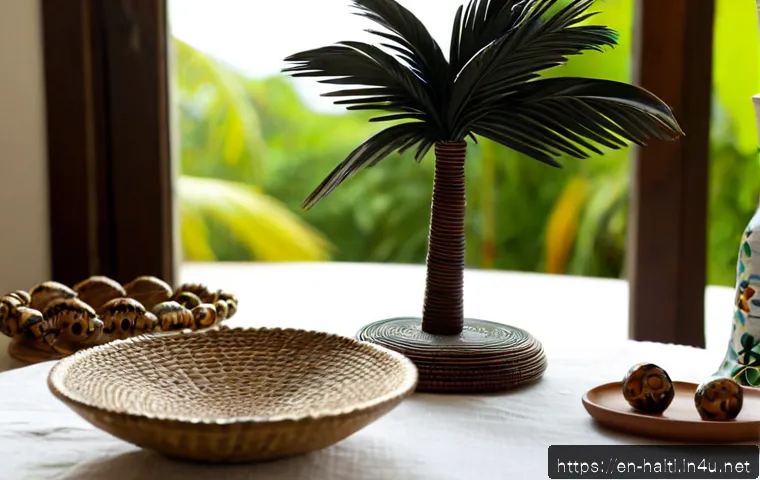
The best Haitian souvenir is not simply the lowest-priced item—it is the one that fits your space, travel plan, and confidence in the seller’s information.
Haitian folk art is known for vivid color, expressive imagery, and handmade variation, so two items in the same category may differ greatly in finish and durability.
Before buying, compare materials, dimensions, artist or workshop details, packaging, and the full delivered cost. Large metal pieces, framed paintings, ceramics, and papier-mâché may require more planning because shipping costs and damage risk can be significant.
A transparent seller and clear shipping protection can add more value than an attractive sticker price alone.
At a Glance
- For easy gifts: choose compact beadwork, small unframed paintings, or lightweight decorative pieces.
- For wall decor: recycled-metal drum art can create a bold focal point, but check dimensions, finish, and shipping protection.
- For meaningful purchases: prioritize maker information, material details, and transparent fair-trade or provenance documentation.
| Craft Type | Best For | Key Value Factors | Portability and Shipping |
|---|---|---|---|
| Recycled-metal wall art | Statement decor and wall displays | Detail, embossing, size, finish, maker information | Can be difficult to ship when oversized; check packaging and rust considerations |
| Papier-mâché masks and figures | Colorful gifts and display pieces | Paintwork, shape, condition, careful handling | Lightweight but fragile; secure packing matters |
| Paintings | Collector gifts and home decor | Artist attribution, condition, subject, framing status | Unframed pieces may be easier to transport; framed works need stronger protection |
| Beadwork and carved decor | Compact souvenirs and practical gifts | Material quality, finish, size, maker details | Often easier to carry, though shape and materials still affect durability |
The Best Haitian Crafts to Buy by Gift Purpose
The right choice starts with the purpose of the gift. A carry-on souvenir needs different qualities from a living-room centerpiece. Size, fragility, provenance, and total cost should guide the decision before color or style alone.
Three quick recommendations for small gifts, home decor, and collector pieces
For small gifts, look first at beadwork, small carved objects, or unframed artwork that can be packed flat with protection. These options are generally easier to carry and can still reflect the vivid color and festival energy associated with Haitian visual arts.
For home decor, recycled-metal art made from steel oil drums is a strong option. Artisans commonly cut, emboss, and shape recycled drums into wall pieces and sculptures. A sun motif, plant design, animal, or decorative pattern can work well when you know the available wall space and hanging plan.
For a collector-oriented purchase, consider a painting or a more detailed handmade figure with clearly stated artist or workshop information. Named artist attribution and reliable provenance can matter more than buying the largest piece available.
Why handmade origin and seller transparency matter more than a low sticker price
Handmade Haitian art can vary substantially, even when items appear similar in photos. Materials, finish quality, dimensions, durability, and level of handwork may differ from one piece to another. A low item price may not represent the better value if the listing does not explain who made it, what it is made from, or how it will be packed.
When comparing artisan gifts, look for seller descriptions that identify the maker, workshop, location, materials, and condition. Buying from verified artisans, established galleries, museum shops, or transparent fair-trade sellers can make provenance easier to assess. It does not remove every uncertainty, but it gives you more useful information for a careful decision.
Compare Popular Haitian Art Forms Before You Buy
Haitian folk art includes decorative pieces with very different storage, care, and shipping needs. Compare the physical realities of the craft before placing an order, especially if the item will travel internationally.
Recycled-metal wall art: visual impact, sizing, and rust considerations
Metal drum art is often chosen for its texture and visual presence. The cutting and embossing process can produce detailed patterns that change with light on a wall. Before purchasing, confirm the listed dimensions and decide whether the piece is meant for indoor display, a covered area, or another setting.
Metal can be more practical than fragile papier-mâché in some situations, but it is not automatically carefree. Ask about the finish, any care guidance, and how the piece will be protected during transit. Moisture exposure, finish condition, and long-term rust resistance should be checked with the seller because they can vary by item.
Papier-mâché masks and figures: color, fragility, and display value
Papier-mâché is widely used in Haitian carnival-related art. Masks, animals, human figures, and brightly painted decorative objects can bring an immediate sense of movement and color to a room. They are especially appealing for buyers who want expressive festival imagery rather than a neutral decorative object.
The tradeoff is fragility. Examine photos for edges, painted surfaces, and projecting details, then ask how the seller will package the work. A lightweight object can still be a poor travel choice if it has delicate shapes or cannot be safely placed in a carry-on bag.
Paintings, beadwork, carved objects, and practical gift options
Haitian paintings often draw on vivid color, spiritual symbolism, everyday life, landscapes, and festival imagery. An unframed painting may be easier to transport than a framed one, but condition and packing still deserve attention. Confirm whether the work is sold with a frame, without a frame, or rolled only when the seller specifically states that option.
Beadwork and smaller carved objects can be useful choices for gift buyers who need a more compact format. Inspect close-up images for consistent finishing, secure components, and material descriptions. If a practical decorative gift is the goal, prioritize an item that can be stored, wrapped, and carried without putting pressure on fragile details.
Comparison table: portability, typical value factors, care needs, and shipping risk
| Option | Portability | What to Compare | Care and Risk |
|---|---|---|---|
| Small beadwork | Often suitable for gifting and travel | Materials, finish, size, maker details | Avoid pressure or snagging during packing |
| Unframed painting | May be easier than framed art | Artist information, condition, dimensions, protective packing | Protect painted surfaces and edges |
| Papier-mâché figure | Lightweight but not always travel-friendly | Paint condition, shape, packaging method | High risk from crushing or impact |
| Metal wall sculpture | Depends heavily on size and shape | Thickness, finish, hanging method, shipping protection | Check for moisture exposure and transit damage |
How to Judge Authenticity, Craftsmanship, and Fair Value
Authenticity is not something a buyer should assume from a product title or a vintage-looking finish. The practical goal is to find clear documentation, honest representation, and craftsmanship that matches the asking price and your intended use.
Questions to ask about the artist, workshop, location, and materials
Ask direct, simple questions: Who made this item? Is the artist or workshop identified? Where was it made? What materials were used? Is the piece signed, labeled, or accompanied by maker information? These questions are useful whether you are buying a small souvenir or collectible art.
Be cautious with broad labels such as “Haitian-inspired.” That description does not confirm that an item was made in Haiti or by a Haitian artist. Similarly, a vintage appearance does not prove that an item is old. Seller documentation is necessary if origin, age, artist identity, or fair-pay sourcing is important to you.
Finish details that signal careful handwork
Close photographs can help you compare finish quality. For metal art, examine cut edges, embossed details, symmetry where relevant, and visible handling points. For papier-mâché, inspect painted surfaces, joins, edges, and delicate projections. For paintings, review image clarity, surface condition, corners, and any stated information about the artist.
Handmade variation is normal and can be part of the appeal. The important distinction is between expected variation and avoidable damage, unclear materials, or incomplete product information. If photos do not show the back, edges, scale, or hanging hardware of a wall piece, request more detail before ordering.
Total-cost checklist: item price, packaging, shipping, insurance, and import charges
A fair price comparison should include more than the listed item price. Check the total delivered cost: the item, packaging, shipping, available shipping protection or insurance, and any import charges that may apply to your destination. Current duties, delivery times, and restrictions vary by location, so confirm them before purchase.
For large or fragile art, the packaging method is part of the product value. Paying more may be reasonable when it includes clear artist attribution, detailed handwork, secure packing, or transparent ethical sourcing. Compare the complete terms rather than assuming that the cheapest listing is the best artisan gift price.
Buying and Travel Mistakes to Avoid
Most disappointing souvenir purchases happen when a beautiful object is chosen without a realistic plan for transport, display, or verification.
Choosing fragile or oversized pieces without a delivery plan
Do not buy an oversized metal wall piece, framed painting, ceramic item, or delicate papier-mâché figure until you understand how it will reach its destination. Check dimensions, packaging, shipping options, and whether the seller provides information about damage protection. A piece that looks manageable online may not be practical for your luggage, wall, or delivery route.
Assuming “Haitian-inspired” means made by Haitian artists
Style descriptions can be useful for browsing, but they are not proof of origin. If buying directly from Haitian artists, supporting a workshop, or choosing a fair-trade purchase is your priority, look for specific seller information rather than relying on a category label.
Ignoring moisture, rust, sunlight, and handling requirements
Every material has different care needs. Metal art may require attention to moisture and surface condition. Papier-mâché needs gentle handling. Paintings and brightly painted objects should be placed with attention to light exposure and surface protection. Ask for care guidance when the piece will be displayed in a demanding environment.
Recommendations by Shopping Situation
A useful purchase is one that works after the trip or delivery—not just at the moment you first see it.
Best choices for carry-on-friendly gifts
Start with smaller beadwork, compact carved decor, or small unframed art when appropriate packaging is available. Avoid assuming that every lightweight item is safe for travel; fragile projections and painted surfaces can still need significant protection. Choose pieces that fit your luggage plan without force or pressure.
Best choices for a statement wall or living-room display
Recycled-metal wall art is a natural choice for buyers who want texture and scale. Measure the intended wall first, then compare the artwork’s dimensions, hanging details, finish, and shipping plan. A smaller but well-detailed piece may be a better fit than a large work that creates delivery or placement problems.
Best choices for buyers who prioritize artist attribution and ethical sourcing
Look for a named maker or workshop and a seller that explains its sourcing practices clearly. Established galleries, museum shops, verified artisans, and transparent fair-trade sellers can offer more context than a generic marketplace listing. Keep in mind that fair-pay supply-chain claims should be supported by seller documentation, not assumed.
Selection Criteria and Comparison Summary
Choose Haitian folk art by comparing purpose, size, provenance, condition, materials, and total delivered cost. For a gift, prioritize portability and secure packaging. For decor, prioritize dimensions, display conditions, and finish. For collectible pieces, prioritize artist attribution and clear seller records. Compare total cost, seller transparency, and shipping protection before ordering. For current delivery terms, packaging details, and origin documentation, review the relevant product page or ask the seller directly.
When a higher-priced handmade piece may offer better long-term value
A higher-priced item may be the stronger value when it provides clearer maker information, more detailed handwork, careful finishing, secure packaging, or documented ethical sourcing. Price alone cannot confirm authenticity or durability, but transparent information helps you compare like with like.
Final pre-purchase checklist for gifts and home decor
- Confirm the item’s dimensions and intended display or travel space.
- Check whether the seller identifies the artist, workshop, or location.
- Review materials, close-up photos, finish condition, and care needs.
- Compare item price with packaging, shipping, protection, and possible import costs.
- Confirm that fragile or oversized pieces have a realistic delivery plan.
Closing Thoughts
Haitian folk art can be a meaningful gift, a distinctive travel souvenir, or a memorable part of a home decor collection. The best purchase balances visual appeal with practical details such as size, materials, shipping, and care. Give extra weight to transparent information about the maker and the item’s origin. A thoughtful comparison helps you choose a piece you can display, transport, and enjoy with confidence.
Useful Things to Know
Metal art: Haitian recycled-metal pieces are commonly shaped from steel oil drums using cutting and embossing techniques.
Festival art: Papier-mâché is widely used for carnival-related masks, animals, figures, and brightly painted decorative objects.
Visual themes: Haitian art often features vivid color, spiritual symbolism, daily life, landscapes, and festival imagery.
Variation: Handmade pieces can differ substantially in finish, dimensions, materials, and durability within the same category.
Important Considerations
Individual origin, artist attribution, age, fair-pay sourcing, long-term colorfastness, rust resistance, and structural durability cannot be confirmed without seller documentation or item-specific information. Current prices, import duties, shipping restrictions, and delivery times also depend on the destination and seller. Verify these details before completing a purchase.
Frequently Asked Questions
Q1. What are the most popular Haitian souvenirs to bring home?
A1. Popular choices include recycled-metal wall art, papier-mâché masks and figures, paintings, beadwork, and carved decorative objects. For travel, compact beadwork, smaller decor, and appropriately protected unframed art may be easier than oversized or fragile pieces.
Q2. How can I tell whether Haitian metal art or a souvenir is handmade and authentically represented?
A2. Ask for information about the artist, workshop, location, and materials. Review close-up photos of finish details and look for transparent documentation from the seller. “Haitian-inspired” does not by itself confirm that an item was made in Haiti or by a Haitian artist.
Q3. Are Haitian papier-mâché and metal artworks safe to ship internationally?
A3. They can be shipped, but risk varies by size, shape, materials, packaging, and destination. Papier-mâché can be vulnerable to crushing and impact, while large metal art can be difficult and costly to pack and transport. Confirm packaging, shipping protection, restrictions, and any import requirements before ordering.