The most meaningful cultural trips to Haiti are usually planned around Carnival, Rara, Gede observances, or locally announced music and art events. Choose the season first, then decide how much structure you need for accommodation, local transport, and cultural context.
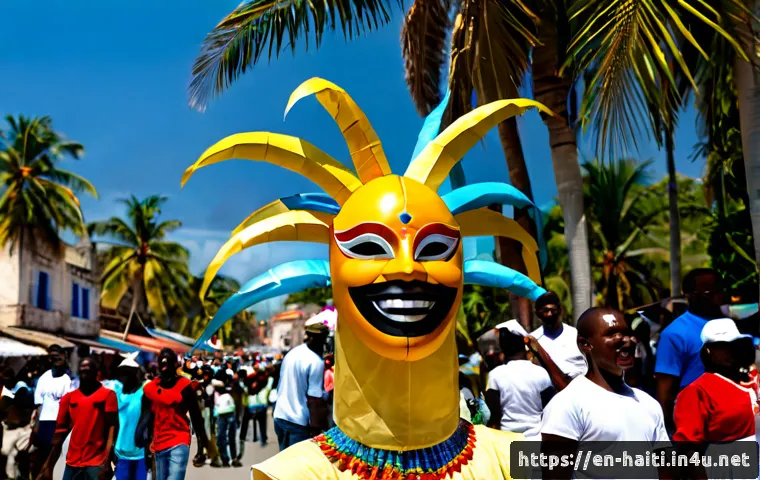
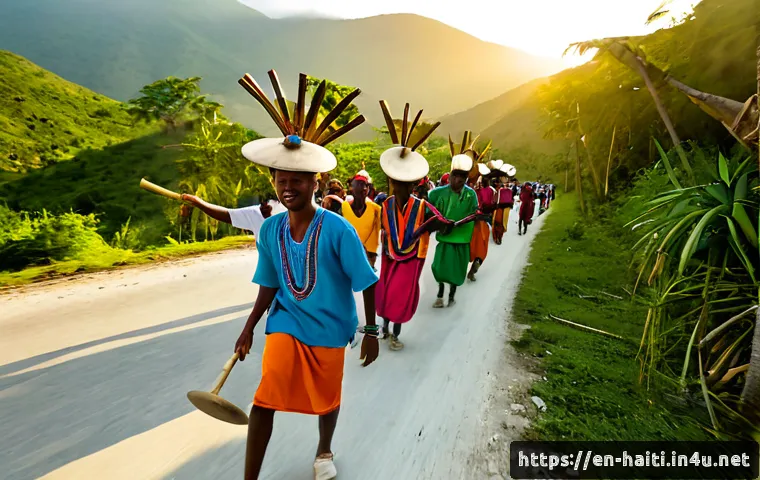
Carnival suits travelers comfortable with large public celebrations, while Rara can appeal to visitors looking for music and community processions during the Lent and Easter period.
Gede observances require a more careful, respectful approach because of their religious significance. Since schedules, routes, venues, and local conditions can change, flexible bookings and locally confirmed details matter more than a rigid itinerary.
A pre-arranged driver or local guide may be worth considering when event access, language support, or route coordination is uncertain.
At a Glance
- Carnival is connected with the period before Lent and may involve music, dance, costumes, and large public celebrations.
- Rara is commonly associated with Lent and Easter, bringing music and processional traditions into community spaces.
- Gede observances are linked to Haitian Vodou, early November, and remembrance of the dead; respectful boundaries are essential.
| Event Type | Typical Timing | Atmosphere | Planning Effort | Services to Compare |
|---|---|---|---|---|
| Carnival | Before Lent | High-energy, public, crowded | Higher | Hotel location, private transport, event-day transfers |
| Rara | Lent and Easter period | Music-led community processions | Moderate to high | Local guide, flexible transport, locally confirmed routes |
| Gede Observances | Early November | Religious and commemorative | High | Knowledgeable local support, photography guidance |
| Music, Art, and Food Events | Varies by community and season | Flexible cultural programming | Moderate | Venue confirmation, lodging, local transport |
Which Haitian Cultural Events Are Most Meaningful for Visitors?
A Quick Answer: Choose by Season, Comfort Level, and Respect for Local Customs
A meaningful Haiti cultural itinerary begins with the kind of experience you want. Choose Carnival if you are prepared for a lively public atmosphere and larger crowds. Choose Rara if seasonal music and processions are your priority. Consider Gede only if you understand that it is a religious observance, not a performance designed for visitors.
Music, visual art, dance, food, and crafts may also appear at community events throughout the year. These can be useful alternatives when a major festival does not match your dates or when you prefer a less crowded schedule.
Why Event Timing Matters More Than Building a Fixed Sightseeing List
In Haiti, event timing can shape the entire trip. A route, venue, gathering point, or performance schedule may change, and availability of hotels, airport transfers, drivers, and guides can vary by date and location. Rather than locking every hour of an itinerary in advance, build a plan around a confirmed cultural window and leave room for adjustments.
Three Planning Questions to Answer Before Booking Anything
First, ask whether the event is actually confirmed locally for your travel dates. Second, decide whether you need pre-arranged transport, especially if you do not want to depend on last-minute route changes. Third, consider whether a local guide would add useful context, language support, or help with respectful participation.
Compare Haiti’s Major Cultural Celebrations Before You Plan
Carnival: High-Energy Public Festivities and Larger Crowds
Haiti’s Carnival season is traditionally connected to the period before Lent. Celebrations can include music, dancing, costumes, and large public gatherings. It may suit travelers who enjoy energetic street culture and who can plan accommodation and transport carefully around a busy period.
Before booking, compare hotel location, cancellation terms, and the practicality of an airport transfer or private driver. The lowest advertised room rate may not be the best fit if it leaves you without a workable transport plan on event days.
Rara: Community Processions, Music, and Seasonal Traditions
Rara is a Haitian musical and processional tradition commonly associated with Lent and Easter. Its appeal is often the sense of movement, sound, and community participation rather than a single ticketed venue. That also means exact routes and times should be confirmed locally rather than assumed from an old festival calendar.
A guide can be useful when you want cultural context or need help coordinating transport around an evolving procession. Ask what is included: route coordination, waiting time, language assistance, and return transport are different services.
Gede Observances: Religious Significance and Respectful Visitor Boundaries
Gede observances are associated with Haitian Vodou and are commonly connected with early November and remembrance of the dead. Travelers should approach these occasions with care. Do not assume that attendance, filming, photography, or participation is appropriate.
If you are interested in spiritual and historical context, seek local guidance and ask direct questions about boundaries before arriving. A respectful visitor accepts “no” without debate and does not treat a religious gathering as staged entertainment.
Music, Art, and Food Events: More Flexible Options When Major Festivals Are Unavailable
Haitian cultural events may feature kompa, rara music, visual art, dance, food, and crafts, depending on the community and season. Port-au-Prince has historically hosted major music and arts events, although venues and schedules can change. These events may offer a more flexible planning option than a major seasonal celebration, but confirmation is still necessary.
Comparison Table: Season, Atmosphere, Costs, Logistics, and Visitor Fit
Use the table above as a planning filter, not as a fixed calendar. Exact admissions, tour availability, routes, and prices are not constant. Providers may quote in Haitian gourdes, while some tourism-related services may quote in U.S. dollars, so confirm both the currency and what the quoted service includes.
Budgeting for an Event-Focused Haiti Trip
Costs That Can Change Quickly: Lodging, Transport, Guides, and Event Access
For an event-centered trip, the most variable expenses are often accommodation, local transport, private driver arrangements, guides, and any event access that applies. Prices are not fixed across dates or locations. Ask whether a quote is in gourdes or U.S. dollars, whether it covers a one-way or return journey, and whether schedule changes affect the arrangement.
When a Private Driver or Local Guide May Offer Better Value Than Independent Arrangements
A private driver may be worth comparing when your lodging is not close to an event area, when you need a reliable return plan, or when routes may change. A local cultural guide may be more useful when context, language support, and community etiquette matter more than simply getting from one place to another. Neither service replaces the need to confirm current conditions and official travel guidance.
Comparing Flexible Hotel Policies, Airport Transfers, and Small-Group Cultural Tours
Compare the practical terms, not only the headline price. Look at location, cancellation policy, transport coordination, communication method, and what happens if an event schedule changes. For a small-group cultural tour, ask whether the itinerary depends on a confirmed event and whether the provider explains any photography or participation rules.
Plan Respectfully and Avoid Common Cultural Travel Mistakes
Ask Before Photographing People, Ceremonies, Performers, or Sacred Objects

Permission matters. Ask before taking photographs or video of people, performers, ceremonies, or sacred objects. A public setting does not automatically mean unrestricted recording is welcome.
Do Not Treat Religious Observances as Staged Entertainment
Gede and other Vodou-related observances carry religious meaning. Dress and behave in a way that does not draw attention away from participants. Follow local instructions, avoid interrupting, and leave if your presence is not appropriate.
Confirm the Event Locally and Prepare for Schedule or Route Changes
Event dates, routes, venues, ticket requirements, and visitor access may change. Confirm details close to departure through current local contacts, accommodations, organizers, or other reliable sources. Do not rely only on a calendar published long before your trip.
Build a Communication and Transport Backup Plan
Keep lodging contact details available, agree on meeting points with any driver or guide, and know how you will return if an event location changes. Check current security conditions, transport availability, and official travel guidance before making decisions.
Choose the Right Experience for Your Travel Style
For First-Time Visitors Who Prefer Organized Logistics
Prioritize a flexible hotel booking, confirmed airport transfer, and locally arranged transport for cultural outings. This approach may reduce uncertainty when event schedules or routes shift.
For Returning Visitors Seeking Music, Crafts, and Neighborhood Culture
Rara, local music, art, food, and craft-focused events may offer more room for discovery. Keep plans adaptable and ask locally which gatherings are appropriate for visitors.
For Travelers Interested in Spiritual and Historical Context
Focus on learning before attending. A guide who can explain local context and boundaries may be more valuable than a simple transport arrangement, particularly around religious observances.
For Short Stays Versus Longer Cultural Itineraries
For a short stay, choose one confirmed cultural focus and avoid overloading the schedule. For a longer trip, leave open days around the event so that transport changes or new local information do not disrupt the entire itinerary.
Choosing Transport, Lodging, and Local Support: A Decision Summary
Choose a guide when language support, cultural context, or route coordination matters. Choose pre-arranged transport when return logistics are uncertain or your accommodation is not near the event area. Choose flexible lodging when dates, access, or local conditions may change. Confirm the currency, cancellation terms, pickup details, and inclusions before paying for any hotel, driver, guide, airport transfer, or cultural tour.
For current conditions and detailed terms, check the relevant provider or official information page before booking.
Closing Thoughts
Haiti’s cultural calendar can offer powerful experiences centered on music, community, art, memory, and tradition. The strongest plan is not the most packed one; it is the one that leaves room for local confirmation and respectful choices. Build your trip around one meaningful event type, arrange support where it genuinely helps, and stay ready to adjust.
Useful Things to Know
Haiti’s national currency is the gourde, though some tourism-related providers may quote in U.S. dollars. Ask which currency applies before agreeing to a service. Confirm whether transport is one-way or return, whether waiting time is included, and whether a guide’s role includes interpretation, route coordination, or both.
Important Notes
Exact dates, routes, venues, ticket requirements, event access, prices, local security conditions, transport availability, and official travel advice require current confirmation. Photography, filming, and participation may not be appropriate at every ceremony or community gathering. Respect local instructions at all times.
Frequently Asked Questions
Q1. What is the best time to visit Haiti for Carnival or Rara celebrations?
A1. Carnival is traditionally connected to the period before Lent, while Rara is commonly associated with Lent and Easter. Confirm exact current dates and locations locally before making travel bookings.
Q2. How much should I budget for a cultural guide, driver, and accommodation during a major event?
A2. Current prices vary by location, date, provider, and service level, so there is no reliable fixed amount to assume. Request clear quotes, confirm whether pricing is in gourdes or U.S. dollars, and compare transport, lodging terms, guide services, and cancellation conditions.
Q3. Is it appropriate for tourists to attend Vodou-related Gede observances in Haiti?
A3. It depends on the specific community, ceremony, and local guidance. Gede observances have religious significance, so visitors should never assume access, photography, filming, or participation is welcome. Ask first, follow instructions, and treat the occasion with respect.